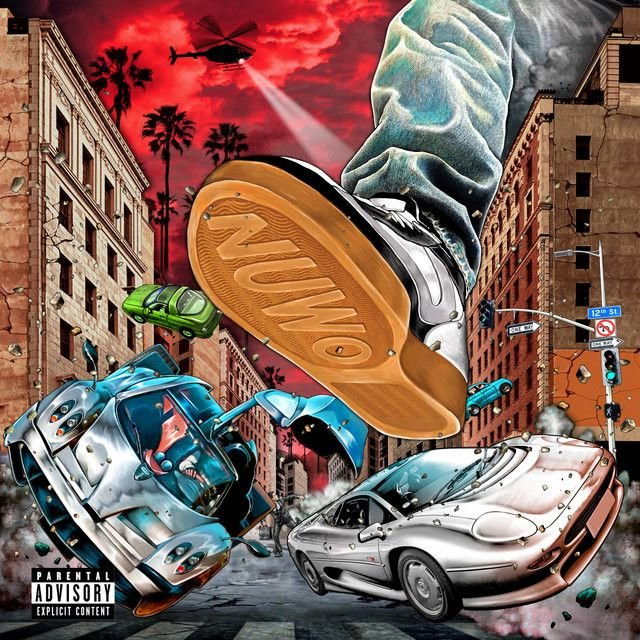
Belong To You by Brent Faiyaz, Babyface Ray
Love that won’t let go, even when it should—that’s the pull at the heart of this track. The meaning of Belong To You Brent Faiyaz, Babyface Ray lives in the tension between honesty and possession, tenderness and toxicity.
"Belong To You" - Brent Faiyaz ft. Babyface Ray
Done seen to many things, that's why I'm way too hard
I know too many ways that I could break your heart
Loading lyrics...
Unable to load lyrics
We're unable to display the lyrics at this time. Please try again later.
A confession that cuts both ways
Brent opens with radical candor. He admits the risk upfront—he knows how to hurt, and he’s seen enough to be guarded. When he says I keep it way too real
and I could break your heart
, it sounds like care. But it also works as a warning that doubles as an excuse.
They draw a boundary with we’re safe apart
, yet neither person follows it. The song frames emotional distance as protective, then shows how attraction keeps erasing that line. It’s the classic R&B paradox: desire as both medicine and poison.
Who’s talking, and what they really want
Two voices narrate the same knot. Brent is the empath—the one who names the mess and still lingers. Babyface Ray is the realist, cool and specific about temptation and status. His admission—I’m with her but got you
—isn’t coy. It’s a snapshot of split attention and the thrill of what shouldn’t happen.
Ray’s verse adds scenes that feel lived-in: last‑minute calls, luxury flexes, private trips. Those details make the devotion claim—you belong to me
—carry both comfort and control. It’s a love language that feels safe to one person and claustrophobic to the other.
The hook turns devotion into a dilemma
The chant of I belong to you
offers a warm, nostalgic promise. It recalls ’90s R&B’s straight‑up declarations, but here it lands with a twist. In this context, “belonging” isn’t only sweet; it hints at ownership. That tension drives the replay value. Listeners hear both the fantasy of perfect union and the fear of losing self.
Scenes that map the relationship
- The boundary: they agree distance will keep them from doing harm.
- The relapse: one text becomes a meet‑up, and longing takes over.
- The fantasy loop: vivid memories and status symbols replace real intimacy.
- The claim: devotion language returns, and possession sneaks in.
- The reset: honesty surfaces again—then the cycle repeats.
This loop explains why the song feels circular. Each return to the hook recasts devotion as a habit neither can kick.
Symbols and signals you might have missed
- Belonging: The core word sells security, but also ownership. That double edge is the point.
- Flexes (courtside seats, travel): Power and access fill in for presence. They soothe, but they don’t heal.
- Friends and gossip: Being called “crazy” frames the love as public drama, which only deepens the bond in private.
- Honesty as armor: Admitting flaws up front can sound noble, yet it may protect the speaker from accountability.
How the sound mirrors the mess
The production leans slow and moody, with space for Brent’s soft phrasing and stacked harmonies. The minimal drums and velvety bass make the hook feel like a late‑night confession. Against that, Babyface Ray’s steady, unbothered delivery cools the temperature, almost like a reality check.
That contrast—floaty R&B plus grounded street detail—turns the song into a push‑pull you can hear. When Brent glides, the promise feels safe. When Ray talks, the cost of that promise shows up.
Why it lands now
Modern dating blurs labels. People prize honesty and independence, but they also chase intensity. This track says the quiet part out loud: you can be self‑aware and still be stuck. The lyrics make room for both care and control, which is why listeners recognize themselves in it.
Alternate reads worth considering
- Interpretation: It’s a cautionary tale. “Keeping it real” is a mask for fear of commitment, and belonging becomes a story they tell to avoid real change.
- Interpretation: It’s complicated devotion. They know the risks and choose each other anyway, defining love on their own terms, no apologies.
Both readings fit because the song refuses to pick a side. It documents a feeling instead of judging it.
The takeaway
Belong To You is intimate, catchy, and messy on purpose. It treats love like a loop—one where honesty and possession trade places until nobody’s sure which is which. That’s the lasting hook.
Disclaimer: Song meanings are interpretive. This analysis reflects one informed reading and may differ from the artists’ intent.









