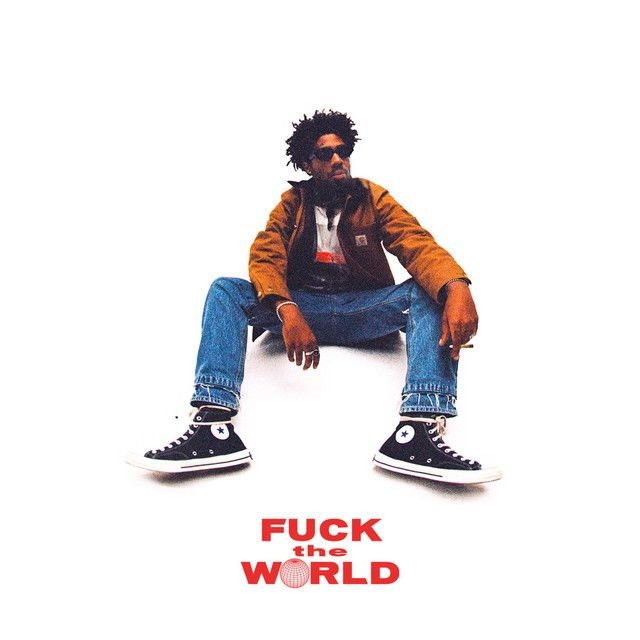
Rehab (Winter In Paris) by Brent Faiyaz
Brent Faiyaz’s slow-burn confession turns intimacy into a habit he can’t quite kick. At its core, the meaning of Rehab (Winter In Paris) Brent Faiyaz is the tug-of-war between love and addiction—romance that feels like a fix. He maps a cycle of late nights, private indulgence, and blunt honesty, then admits he’s stuck in it by choice as much as by chemistry.
"Rehab (Winter In Paris)" - Brent Faiyaz
You like to put that shit in your nose, but I still love you
Be doing shit that nobody knows
Loading lyrics...
Unable to load lyrics
We're unable to display the lyrics at this time. Please try again later.
Love or Habit? The Question at the Center
This song frames desire as dependency. Early on, he brags about having too many hoes
, but the flex collapses into focus: none of them replace this one person. That contrast sets the emotional stakes—abundance without fulfillment.
He throws up a crude boundary—If you ain't nasty
—as if rules can simplify a messy bond. But the more he postures, the clearer it becomes he’s negotiating with himself. The rush they share keeps them orbiting each other, even as drugs, ego, and exhaustion creep in. “Rehab” becomes a metaphor for the impossible promise to stop, while the music lingers in the craving.

Watch the official Rehab (Winter In Paris)
music video
Who’s Speaking, and Who’s Being Addressed
The narrator talks in first person directly to a partner. He sees their public-versus-private split: poised outside, unrestrained at home. He calls out substance use—the drugs
—not to judge, but to explain the wear and tear. Meanwhile, he owns his side: nights out, pride, and a need for control.
A key confession, I can't leave you alone
, isn’t sweet so much as surrender. He isn’t rescuing anyone; he’s admitting the cycle works for him, too. They’re both enablers, and that’s the point—his candor makes the song feel less like a love letter and more like a diary entry left open.
A Night in Three Beats
- He works all day, then chases the high of the streets after dark.
- He returns home to physical release, setting crude terms to keep feelings at bay.
- In the quiet after, he thinks
about us
—a brief sober window—before the loop resets.
These beats show why “rehab” never happens. There’s always another night, another excuse, another come-down smoothed over by intimacy.
The Hook’s Double Bind
Hooks usually simplify; this one folds two truths together. The boundary-setting (“be this or don’t hit me”) is macho armor. Yet the repeated I can't leave you alone
undercuts it. That’s the double bind: he draws a line, then steps right over it.
Interpretation: the hook voices codependency with swagger. It’s not only lust; it’s routine, identity, and relief. He needs her to be the version of herself that keeps the machine running. She needs him to return on schedule. Both get what they want in the short term, and both pay for it in the long term.
Symbols and Sonics: Why It Feels Like Withdrawal
Title clues do heavy lifting. “Rehab” signals the wish to quit; “Winter” cools the mood, hinting at emotional frost and long nights; “Paris” evokes romance and fantasy. Interpretation: together, they sketch a beautiful decline—gorgeous on the surface, numb underneath. The public-private split (polished outside, explicit at home) doubles as a mask metaphor. A line like kiss it before I go
treats tenderness like a transaction—one last hit before the next high.
The sound complements the story. Expect a slow tempo, soft keys or pads, and minimal drums that leave space for his voice. His dry, close-mic delivery and airy ad-libs create a woozy, nocturnal feel—like headlights on wet pavement. Bass swells mimic cravings rising and fading. When background vocals echo phrases like about us
, they feel like thoughts he can’t silence.
Why It Stuck: Context Within Faiyaz’s Catalog
“Rehab (Winter In Paris)” sits neatly in Brent Faiyaz’s world of alluring contradiction—sensitive but unrepentant, romantic yet reckless. On the project it belongs to, he often pairs warm, minimalist R&B with cold admissions, making intimacy sound both inviting and dangerous. This track distills that persona: the antihero who tells the truth even when it flatters no one.
For listeners, the draw is recognition. The song doesn’t glamorize destruction; it documents it. It shows a couple who can name the problem and still repeat it. That’s why the last image is less promise than pattern—the night ends, the craving returns, and “rehab” remains a word they say, not a place they go.
Disclaimer: Song meanings are interpretive. This analysis reflects one reading of the lyrics, production, and public context, and may differ from the artist’s intent.








