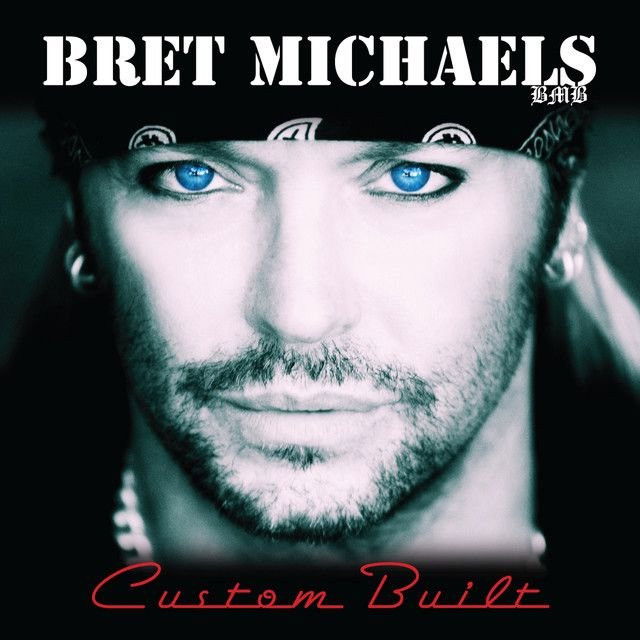
Go That Far by Bret Michaels
Why This Song Still Screams 2000s Excess
The meaning of Go That Far Bret Michaels starts with a simple idea: the song sells a fantasy. It is less about deep love than about the promise of access—to fame, sex appeal, luxury, and the thrilling blur of celebrity life.
"Go That Far" - Bret Michaels
Please, let me introduce myself
I'm gonna get you off like there's no one else
Loading lyrics...
Unable to load lyrics
We're unable to display the lyrics at this time. Please try again later.
That reading fits its public role. Go That Far was used as the opening theme for VH1's Rock of Love with Bret Michaels, the dating reality series that ran from 2007 to 2009 for three seasons and 40 episodes, according to the show's widely cited production history (Wikipedia). The song also appeared as the first single from Rock My World, a soundtrack-linked Bret Michaels release tied to the show (Wikipedia).
So before anyone even gets to the lyrics, the context matters. This is a song built to introduce a persona.

Watch the official Go That Far
music video
The Core Message Behind the Hook
At its center, the song is about temptation. The narrator offers a glamorous world and asks whether the other person is willing to step into it. The title phrase suggests a boundary test: how much are they willing to risk, enjoy, or trade for this lifestyle?
The chorus makes that clear. They promise to be sugar daddy
and offer diamond rings
, then pair those gifts with a more hidden, messier bond. In plain terms, the song frames romance as part pleasure, part status deal.
Interpretation: Rather than presenting love as emotional trust, the song presents love as spectacle. Attraction is wrapped in money, image, and exclusivity.
A Narrator Selling a Brand, Not Just a Relationship
The opening lines introduce the speaker like a performer walking onstage. They say step inside my brain
and call themselves a crazy train
. That language matters because it turns the singer into both a person and an experience.
This is not a shy love song. The narrator markets danger, unpredictability, and fame as if those traits are irresistible. They are not asking to be known in a quiet, honest way. They are asking to be entered, consumed, and admired.
That attitude fits Bret Michaels' long public image as Poison's frontman and a durable reality-TV personality. The song leans into that image instead of softening it.
Hollywood as a Symbol, Not Just a Place
One of the strongest lyrical patterns is the repeated use of Los Angeles imagery. References to Sunset Boulevard
and the Hollywood Hills are not there just to set a scene. They symbolize an industry where beauty, ambition, and illusion all mix together.
The song also stacks image-heavy details: backstage passes, limousines, private flights, designer clothes, movie stars. Each object sends the same message. This world is exclusive, expensive, and designed to impress.
Interpretation: The setting acts like a shortcut for desire. Instead of proving real emotional depth, the song uses celebrity symbols to create instant heat.
How the Verses Build the Fantasy Ladder
The song's structure keeps raising the stakes. First, the narrator offers excitement and danger. Then they offer physical access and insider status. By the final verse, the fantasy has grown into full VIP treatment, from private travel to elite social circles.
That progression matters. It shows that the relationship on offer is not built on shared values. It is built on escalation.
A short way to map the song is:
- The speaker introduces a flashy, wild persona.
- They promise intimacy mixed with taboo.
- They upgrade the fantasy with money and access.
- They ask if the other person wants to go all the way into that world.
In other words, the song keeps asking the same question: is thrill enough?
When the Chorus Turns Desire Into a Transaction
The chorus is catchy because it is blunt. The singer lists what they can provide, then defines the partner through secrecy and sex appeal. Even phrases like dirty secret
make the relationship sound hidden and performative instead of stable.
That is why the hook can feel both fun and a little hollow. It is exciting on the surface, but the language suggests possession more than partnership.
I'll be your sugar daddy
I'll be your diamond rings
You'll be my dirty secret
You'll be my sexy thing
Paraphrased, the deal is simple: they provide glamour, and the other person becomes part of the image.
The Sound: Big Guitars for a Big Persona
Musically, the song matches its lyrical swagger. It sits in straight-ahead rock, with punchy guitars, a driving beat, and a chant-ready chorus. Nothing about the arrangement is subtle.
That lack of subtlety is the point. The production pushes a stadium-ready feeling, the kind of sound that works well for television intros and branding. It tells listeners exactly how to feel: energized, teased, and ready for drama.
Because of that, the song succeeds as theme music. It does not need emotional complexity to work. It needs attitude, speed, and immediate recognizability.
Two Useful Ways to Read It
There are at least two fair readings of the meaning of Go That Far Bret Michaels.
Reading One: A Straightforward Seduction Song
On the most direct level, this is a rock-star come-on. The singer promises pleasure, luxury, and social elevation in exchange for going along with the fantasy.
Reading Two: A Self-Aware Performance of Excess
Interpretation: The song can also be heard as knowingly over-the-top. Because it was tied so closely to Rock of Love, it may be exaggerating Bret Michaels' public persona on purpose. In that reading, the song is less confession than costume.
Final Take on Its Meaning
In the end, the song is about desire dressed up as celebrity theater. It sells a life of access, indulgence, and reckless fun, while quietly showing how easily romance can become a brand.
That tension is what gives it staying power. It is catchy enough to work as pure entertainment, but sharp enough to reveal the shallow bargain underneath.
Disclaimer: This interpretation is based on the lyrics, musical style, and public context of the song. As with any song, listeners may hear different meanings.








