Ginger Man by Brian Cadd
They meet a wanderer in Brian Cadd’s “Ginger Man,” a piano-led pop song from 1972 that turns a trail of letters into a quiet plea for home. The hook is simple, but the feeling runs deep: a traveler learns hard news from afar and decides it’s time to turn around.
"Ginger Man" - Brian Cadd
Told me about the war
Told me 'bout my bro-other Jess
Loading lyrics...
Unable to load lyrics
We're unable to display the lyrics at this time. Please try again later.
What the meaning of Ginger Man Brian Cadd Reveals
At its core, the song captures the ache of distance and the stubborn pull of belonging. A letter opens the story with She wrote to me from Texas
, and the voice sounds both relieved and restless. The update is heavy—she also told me about the war
—so the song frames home as not just a place, but a refuge from chaos and loss.
Interpretation: The title character is a drifter who has run long enough. The repeated call to come back turns the chorus into a compass—homeward, at last.
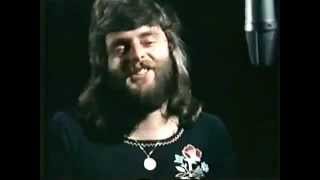
Watch the official Ginger Man
music video
Who “Ginger Man” Might Be
The “Ginger Man” could be a nickname for the narrator—a red‑haired (“ginger”) or roguish everyman. It may also nod to J.P. Donleavy’s cult novel The Ginger Man, whose anti‑hero is a charming but wayward figure; the title echo hints at a similar restless spirit. In Cadd’s telling, though, the character moves toward responsibility, not away from it.
Interpretation: When the narrator sings that he I saw the light
, they show a moral shift. The Ginger Man is no longer only the wanderer; he becomes the person who chooses to return.
Letters, Miles, and Loss: The Narrative Map
The song unfolds like postcards across a map:
- Texas: the first letter breaks the silence and reconnects him to family.
- Utah: another letter brings the hardest news—his father is gone. He wishes the message were clearer, but the shock lands.
- Memphis: a card with a forwarding address shows life keeps moving. She says she’s found a “big city” love, and he replies with tenderness,
I signed my name with love
.
Interpretation: The geography marks time. Each place is a milepost where the wanderer learns who he is without the people he loves—and why he needs to go back.
The Chorus as a Compass
The hook distills the entire arc into a simple plea:
Ginger Man, follow me home
Again and again
They can hear the insistence in the repetition. Interpretation: “Follow me home” reads like a self-address—he’s calling his own restless self into line. It could also be the voice of the letter-writer urging him to return. Either way, the phrase turns longing into action.
How the Sound Carries the Feeling
“Ginger Man” sits in radio-friendly pop, but its bones feel like a road song—steady rhythm, strong melody, and an open, sing‑along chorus. Cadd, an Australian singer‑songwriter known for piano-driven arrangements, centers the voice and keys so the story stays front and center. Backing parts lift the refrain without crowding it, mirroring a journey that keeps moving while the heart stays fixed on home.
Fact: The track was released as the first single from Brian Cadd’s self‑titled debut album in 1972. That timing matters; early‑’70s pop often blended rootsy textures with big hooks, and this song uses that mix to keep the narrative intimate yet accessible.
Symbols and Motifs, Decoded
- Letters: Each message anchors memory and pushes the plot forward. They are the only bridge between the drifter and home.
- Place names: Texas, Utah, and Memphis sketch the American interior—wide spaces, long roads, and lonely time.
- Light: The line
I saw the light
signals a turn from drifting to deciding. - Home: Not a street address, but a promise of peace after grief and years apart.
Alternate Paths Through the Song
- Interpretation: The Ginger Man as conscience. The chorus is an inner voice calling him to heal and settle down after loss.
- Interpretation: The Ginger Man as beloved. The letter-writer urges him to follow her back—“again and again”—until he finally does.
- Interpretation: A gentle reply to Donleavy’s archetype. Where the novel’s hero resists responsibility, Cadd’s Ginger Man chooses it.
Takeaway and Friendly Note
They can hear a simple story: a long road, a handful of letters, and a decision to go home. That’s the meaning of Ginger Man Brian Cadd puts forward—distance giving way to devotion.
Disclaimer: Lyric interpretations are subjective. Unless the artist states otherwise, this reading reflects one informed perspective, not a definitive author’s intent.








