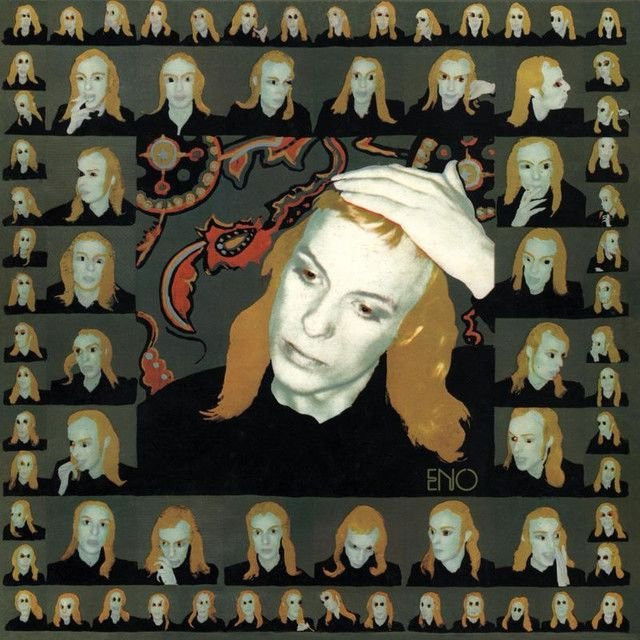
Third Uncle by Brian Eno
Why This Strange Song Still Grabs People
The meaning of Third Uncle Brian Eno is not simple in a story-based way. The song does not unfold like a clear plot with named characters and a neat ending. Instead, it works like a burst of images, commands, and pressure. That is part of why it still feels so alive.
"Third Uncle" - Brian Eno
There was pork
There are legs
Loading lyrics...
Unable to load lyrics
We're unable to display the lyrics at this time. Please try again later.
Released in November 1974 on Taking Tiger Mountain (By Strategy), “Third Uncle” sits in a key moment of Eno’s career. They had recently moved out of Roxy Music and were shaping a solo style that mixed art rock ideas with something harder and more frantic. Critics often place the track in the proto-punk lane, and that label helps explain its force.
Watch the official Third Uncle
music video
The Core Meaning Beneath the Chaos
At its heart, the song sounds like a portrait of mental overload. The lyric piles up objects, people, and fragments of social life until the listener feels boxed in. They hear lists of things, scraps of identity, and then sudden violent instructions. Rather than explain a single event, the song creates a world where meaning feels unstable.
Interpretation: the speaker may be reacting to modern life as cluttered, absurd, and invasive. The repeated catalog of items suggests a mind scanning everything at once. Phrases like There are tins
and There are sharks
feel almost random, but that randomness matters. It gives the song a restless, jump-cut quality, as if thought itself is glitching.
Then the lyric narrows toward a person. The recurring turn to there was you
makes the song feel less like nonsense and more like obsession. Out of all the noise and inventory, one figure remains emotionally charged.
How the Lyrics Build Tension
A world made of lists
The opening lines are built from short statements. They stack up with little explanation. One image leads to another: objects, body parts, people, places. That style makes the song feel mechanical, almost like someone reading labels too fast.
This matters because Eno often treated lyrics as texture as much as message. Here, the words are meaningful partly because they sound clipped and cold. The song is not asking the listener to picture one scene. It is asking them to feel a pattern of overload.
The turn from inventory to threat
Midway through, the language becomes harsher. The repeated command Burn my fingers
shifts the song from detached listing into bodily danger. Soon after, the song reaches one of its clearest and strangest passages:
Burn my uncle
Burn his books
Burn his shoes
Paraphrased, this sounds like an attack on inheritance, authority, or identity itself. Books suggest ideas. Shoes suggest role or status. The “uncle” may be a literal relative, but just as likely they are a symbolic figure: an older authority, an odd family placeholder, or a version of the self.
What “Third Uncle” Might Represent
The title is famously unclear, and that seems intentional. There is no widely confirmed statement from Eno that pins down one exact meaning. So the most honest reading is that the title works as an artful mystery.
Interpretation: “Third Uncle” may suggest a person who is close enough to feel familiar but distant enough to feel strange. “Uncle” is family, but not immediate family. “Third” adds a cold, almost numbered quality. Together, the phrase sounds personal and impersonal at once.
That mix fits the song. Its world is full of things that should feel normal but instead feel eerie. Even the clothing image near the end points to identity as something forced onto a person. When the singer asks whether it fits me or you?
, the song raises a basic question: whose role is being worn here?
The Sound Is a Huge Part of the Meaning
Any explanation of the meaning of Third Uncle Brian Eno has to include the music. The track is driven by a bass riff by Brian Turrington, with a tense, repeating pulse that gives the whole song its chase-like feeling. Above it, the guitars strike in short, sharp bursts, while Eno’s vocal stays near monotone rather than going full emotional.
According to the song overview, the arrangement includes Eno on vocals, electronics, guitar, and keyboards, plus Phil Manzanera on guitar, Brian Turrington on bass, Freddie Smith on drums, and Robert Wyatt on percussion. That lineup helps explain why the record feels both tight and unstable.
The production does not soften anything. It pushes rhythm and repetition. The result is nervous, fast, and physical. AllMusic’s Dave Thomas described the later 801 live version as “furious” and “positive madness,” a brief quote that captures the song’s energy well. Even without many lyrics, the music makes the listener feel chased, crowded, and slightly thrilled.
Why the Song Matters in Rock History
“Third Uncle” is one of Eno’s best-known early solo songs, and its influence is larger than its chart profile. It has been widely covered, especially by Bauhaus in 1982, which makes sense. The song’s dry vocal, angular guitars, and manic momentum connect art rock to post-punk and goth.
That context sharpens the meaning. The track is not just about eccentric images. It is about a style of alienation that later bands would build on: cool voice, hot rhythm, strange symbols, and a body under pressure.
Final Reading: Disorder With a Human Center
The best way to hear “Third Uncle” is as controlled disorder. Its images look random, but the emotional effect is focused. The song traps the listener in a stream of objects, roles, and commands until one question remains: how does a person stay themselves inside all this noise?
Interpretation: the answer may be that they do not, at least not neatly. The song ends in discomfort, with identity feeling worn, tight, and unstable. That is why it still sounds modern.
Disclaimer: This interpretation is based on the lyrics, recording context, and documented reception, but songs like “Third Uncle” are open to more than one valid reading.









