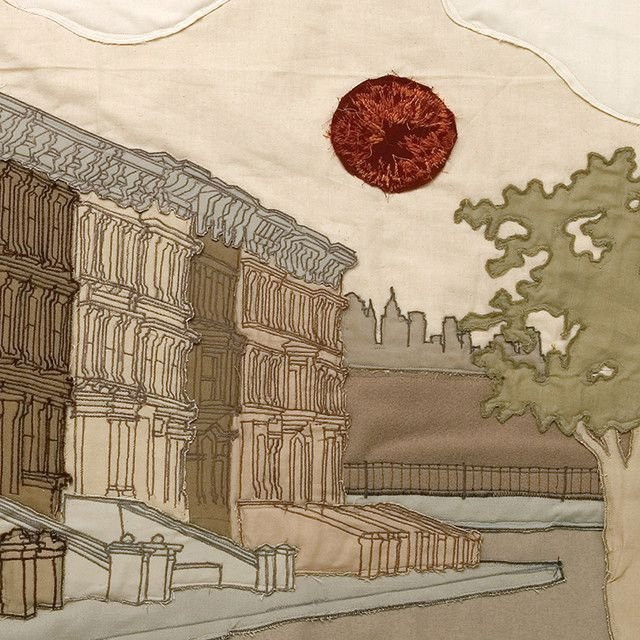
Lua by Bright Eyes
The meaning of Lua Bright Eyes starts with a walk through a cold night, but it quickly opens into something heavier. Conor Oberst writes about two people moving through the city, talking, drinking, and trying to stay afloat. On the surface, the song feels intimate and gentle. Underneath, it is about loneliness, substance use, emotional exhaustion, and the brief comfort people give each other before daylight makes everything harder.
"Lua" - Bright Eyes
But I think we have to walk
Keep waving at the taxis
Loading lyrics...
Unable to load lyrics
We're unable to display the lyrics at this time. Please try again later.
A Night Song About What Morning Reveals
At its core, “Lua” shows how nighttime can make pain feel manageable. The narrator and their companion drift from taxis to parties to trains, sharing talk and self-medication. Each verse contrasts evening ease with morning collapse. That pattern matters more than any single scene.
Interpretation: the song is not celebrating self-destruction. It is showing why people reach for it. Night offers disguise, connection, and numbness. Morning brings consequences, shame, and the return of whatever hurt was there before.
One of the key ideas appears in the repeated shift from what works at night to what fails by day. Phrases like by the morning
and so simple in the moonlight
capture that emotional reversal. They suggest that clarity in darkness is often a false kind of clarity.

Watch the official Lua
music video
Two People, One Shared Collapse
The song’s speaker is not alone, even when they sound isolated. Early on, they admit they can be my own best friend
, which points to deep loneliness dressed up as self-sufficiency. They talk to pigeons, sidewalks, and reflections because ordinary human comfort feels unreliable.
Then the focus turns to the other person. The narrator senses a heavy heart
and tries to offer steadiness, even while admitting their own limits. That tension is central to the meaning of Lua Bright Eyes: they want to help, but they are also caught in the same cycle.
The relationship is tender, but unstable
This is what gives the song its sting. The narrator sounds caring, observant, and honest. They notice the painted eyes, the disappearing into bathrooms, the drag of dependence, and the way affection can briefly feel like rescue.
But they also confess that what they offer may not last. Love, comfort, and confidence are all temporary here. The song understands intimacy as real, yet fragile.
The Story Moves Like a Stumble
“Lua” unfolds in loose scenes instead of a strict plot. That blurry structure fits the subject.
- Two people wander through a freezing city and chase distraction.
- The narrator slips into private loneliness and self-invention.
- They try to comfort someone whose pain mirrors their own.
- Substance use becomes more obvious and more dangerous.
- By the end, the original cause no longer matters as much as the feeling that remains.
That last point may be the saddest. The song says the reasons have faded, but the emotional weight has not. In plain terms, they may not even remember what started the spiral. They only know they are still living inside it.
Why the Hook Hurts So Much
The refrain lands because it is simple and devastating. It keeps returning to the gap between moonlight logic and morning truth. The song’s only multi-line passage drives that idea home:
It was so simple in the moonlight
Now it's so complicated
It was so simple in the moonlight
The lines do not just describe romance. They can also describe addiction, denial, or any coping mechanism that feels clean in the moment and impossible later.
Interpretation: this hook suggests that the pair are not solving anything during the night. They are postponing reality. The beauty of the song is that it understands why postponement can still feel meaningful.
The Symbols That Carry the Meaning
Several images repeat and deepen the song’s emotional world:
- Cold streets and taxis: the city feels rejecting and impersonal.
- Coffee, paper, reflection: these suggest routine attempts to hold a self together.
- Bathrooms and trains: temporary spaces where people disappear, return, and keep moving.
- Evening and morning: the song’s main symbolic contrast between escape and consequence.
The narrator’s “mask” is especially important. They polish it at night, then hate what remains in daylight. That image turns emotional survival into performance. They are not simply sad; they are working to appear functional.
How the Sound Makes the Lyrics Hit Harder
Part of the meaning of Lua Bright Eyes comes from how spare it sounds. The recording is built around soft acoustic guitar and a close, unguarded vocal. That stripped-down style fits the band’s Digital Ash in a Digital Urn / I’m Wide Awake, It’s Morning era. There is very little distance between the listener and the narrator.
That matters because a fuller arrangement might romanticize the song. Instead, the quiet production keeps everything exposed. Oberst’s voice often sounds like a confession happening in real time. The result is less like a dramatic anthem and more like overhearing someone tell the truth after midnight.
For artist context, “Lua” was written by Conor Oberst and released during a period when Bright Eyes moved into wider recognition, including attention around I’m Wide Awake, It’s Morning. That broader indie-folk setting helps explain why the song feels both literary and painfully direct.
More Than an Addiction Song
It is fair to read “Lua” as a song about substance use. References to medication, flasks, parties, and fading control all support that. But reducing it to that alone misses its emotional depth.
Interpretation: the song is also about how people build tiny shelters inside despair. Conversation, touch, dark humor, and shared damage become ways to survive one more night. That does not make them healthy. It makes them human.
Why “Lua” Still Stays With Listeners
The song lasts because it refuses easy judgment. It sees self-destruction clearly, but it also sees the need beneath it. The narrator is unreliable in some ways, yet emotionally credible in others. They know the night is lying to them, and they still need what it offers.
That is the real meaning of Lua Bright Eyes: it captures the fragile bargain between pain and temporary relief, and it shows how tenderness can exist even inside a losing fight.
Disclaimer: This interpretation is based on the lyrics, recording, and available context. As with most songs, listeners may hear different meanings in “Lua.”









