Why "Moi je joue" Turns Flirting Into Power
The meaning of Moi je joue Brigitte Bardot becomes clearer the moment the song frames romance as a game. This is not a shy confession or a soft love ballad. Instead, it presents desire as something active, competitive, and even a little risky.
"Moi je joue" - Brigitte Bardot
Moi je joue à joue contre joue
Je veux jouer à joue contre vous
Loading lyrics...
Unable to load lyrics
We're unable to display the lyrics at this time. Please try again later.
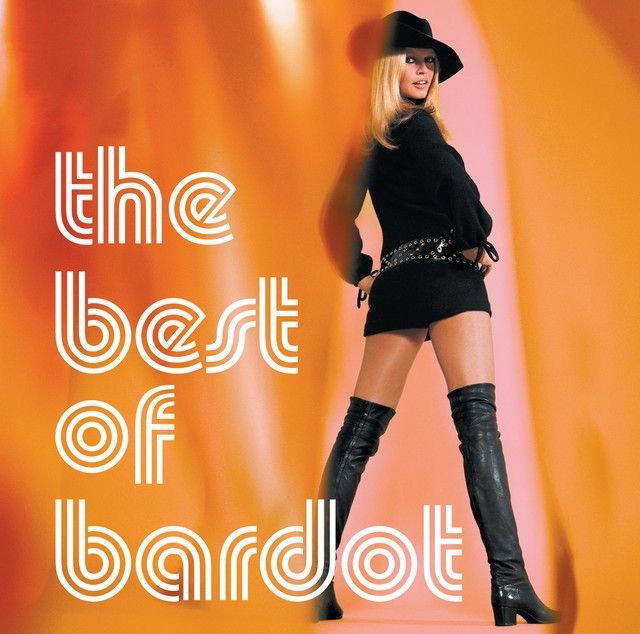
Brigitte Bardot recorded the song during the 1960s, when she was already a major French star in film and pop culture, known internationally for her screen presence and sex-symbol image. That public persona matters here: the song uses charm, boldness, and provocation as part of its effect. In simple terms, "Moi je joue" is about a speaker who treats intimacy like a contest they plan to win.
A Love Song That Sounds Like a Challenge
At the center of the lyric is a repeated verbal game around closeness, touch, and emotional combat. Early on, the speaker says Moi je joue
, which establishes the whole mood. They are not falling helplessly in love; they are choosing to play.
That playful stance quickly gets sharper. The invitation to get close, summed up in joue contre joue
, sounds tender on the surface. But the next lines push the listener into a contest of wills, asking whether the other person is ready and warning them to defend themselves.
Interpretation: This is where the song becomes more than flirtation. It suggests that seduction can also be performance, strategy, and power. The speaker wants affection, but they also want control over the emotional scene.

Watch the official Moi je joue
music video
Who Is Speaking, and What Do They Want?
The song uses a strong first-person voice. The speaker addresses a lover directly, first with formal distance and then with greater intimacy. That shift matters because it shows the relationship changing in real time.
One of the clever details is the move from polite address toward something more possessive and familiar. The song implies: at first there is social distance, then the speaker breaks it down and sets new rules. When they call the other person mon jouet
, the idea is no longer mutual play. The other person has become part of the speaker's game.
That does not necessarily mean the lyric should be taken literally. In 1960s pop, exaggeration was often part of the style. Still, the wording creates tension because affection and domination sit side by side.
How the Lyrics Escalate
The song's narrative is short, but it moves fast. It can be understood in four beats:
- The speaker announces that they are playing.
- They invite a romantic encounter and challenge the other person.
- They claim victory and blur the line between lover and possession.
- They promise intense love mixed with threat.
The most striking part comes late, when the language turns animal and dramatic, with images of claws, teeth, and emotional overwhelm. The phrase Au secours
is especially important. It suggests that the game has become too intense for the other person to handle.
Then the ending twists again. After all the teasing menace, the speaker says they will love the person more strongly, repeating plus fort
. That leaves the song in an ambiguous place: is this devotion, conquest, parody, or all three at once?
Sound, Style, and the Bardot Persona
Part of the meaning of Moi je joue Brigitte Bardot comes from its style, not just its words. Bardot's recordings often leaned into fashionable French pop with light orchestration, rhythmic bounce, and a cool, spoken-sung delivery rather than huge vocal theatrics. That kind of arrangement can make daring lyrics feel chic instead of heavy.
Here, the likely effect is contrast. The music keeps things sleek and playful, while the lyric grows more possessive and aggressive. That contrast is a big reason the song still catches attention. It invites listeners to smile at the flirtation, then notice the sharper edge underneath.
Bardot's celebrity image strengthens that reading. She was widely presented as liberated, sensual, and unafraid of scandal. In a song like this, that image becomes part of the text. The singer is not just describing confidence; they are performing it.
Two Strong Ways to Read the Song
Interpretation 1: A Seduction Song in High Style
The first reading is that the song is mostly theatrical. It dramatizes romance as a witty battle, using exaggerated threats and possessive lines to create sparkle and tension. In this view, the lyric is playful, campy, and knowingly over the top.
Interpretation 2: A Song About Control
A second reading hears something darker. The speaker does not just want love; they want submission. They push past consent-like hesitation, celebrate winning, and redefine the other person as an object in their drama. In this version, the song exposes how desire can slide into domination.
Both readings have support in the text, which is why the song remains interesting. It never settles into a single emotional register.
Why the Song Still Feels Modern
Even decades later, the song stands out because it understands that flirting is often about language, roles, and power. It turns a simple romantic setup into a contest full of masks, tone shifts, and reversals.
For modern listeners in the United States, that is a key entry point into the meaning of Moi je joue Brigitte Bardot. The song is memorable not because it explains love clearly, but because it makes love unstable. It asks whether intimacy is a game two people share, or a game one person controls.
Final Take
In the end, "Moi je joue" is best heard as a performance of seductive power. It is witty, stylish, and intentionally provocative, but it also leaves room for discomfort. That tension is what gives the song its lasting bite.
Disclaimer: This interpretation is based on the song's lyrics, performance style, and cultural context. As with many pop songs, listeners may reasonably hear different meanings in it.







