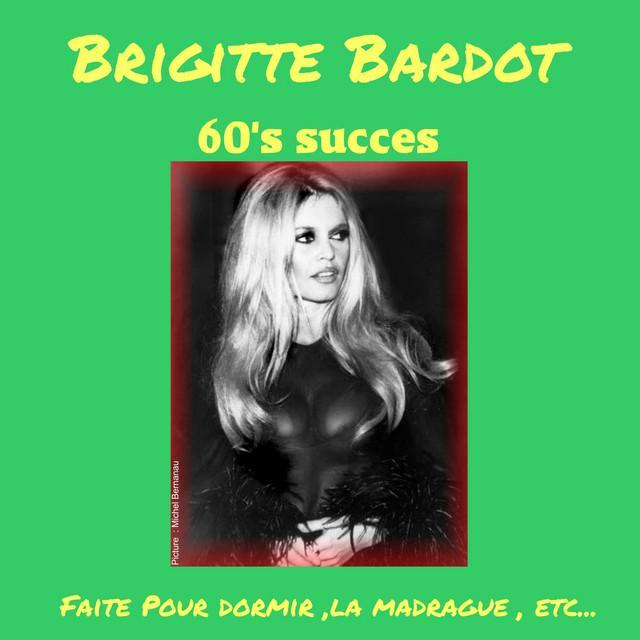
Noir Et Blanc by Brigitte Bardot
A playful song with a cruel twist
The meaning of Noir Et Blanc Brigitte Bardot turns on one sharp idea: outward beauty can win instant praise, but inner truth can shock people who only care about surfaces. The song starts almost like a teasing cabaret performance. Step by step, the speaker reveals parts of their body, and the audience approves what they see.
"Noir Et Blanc" - Brigitte Bardot
Et quand je me suis dégantée
Vous avez vu mes beaux doigts blancs
Loading lyrics...
Unable to load lyrics
We're unable to display the lyrics at this time. Please try again later.
That approval feels shallow on purpose. The repeated focus on white skin, white fingers, and white feet creates a neat, polished image. Then the song suddenly flips. When the speaker opens their heart, they find it is noir à l'intérieur
. That image changes everything. What looked elegant on the outside hides pain, damage, or moral darkness inside.

Watch the official Noir Et Blanc
music video
The black-and-white contrast is the whole argument
At the center of the song is a simple but rich contrast: white as visible beauty, black as hidden truth. In French culture, as in many others, black and white can suggest innocence versus corruption, appearance versus essence, or public image versus private self. The song uses that old contrast, but it also mocks it.
The speaker describes their body as pleasing, even harmless. They insist it was pas du tout dégoûtant
when others saw the outside. But once the heart is exposed, the reaction turns into disgust. This is not just about sin or shame. It is also about how quickly admiration can become rejection.
Interpretation: the song may be less interested in literal good and evil than in social hypocrisy. People claim they want honesty, yet they only enjoy revelation when it stays pretty.
How the story unfolds, one layer at a time
The lyric is built like a striptease of meaning. Each verse removes another layer. First gloves come off, then shoes, then clothes. The pattern is playful and rhythmic, which makes the ending hit harder.
Here is the emotional timeline:
- The speaker reveals physical details and receives approval.
- The audience enjoys the body as an object of beauty.
- The speaker opens the heart, expecting deeper recognition.
- The audience recoils from what they find.
- The speaker decides they will not expose themselves again.
That final retreat matters. The repeated refusal to undress again is not only physical. It is emotional self-protection. After being judged for their inner self, they would rather hide than be sent, as they put it, back to nothingness.
Je ne me déganterai plus
Je ne me déchausserai plus
Je ne me déshabillerai plus
In context, those lines mean they will stop making themselves vulnerable, because vulnerability brought humiliation instead of love.
A satire of desire and judgment
One reason the song still stands out is its tone. It sounds witty, light, and almost mischievous. That style fits Brigitte Bardot’s star image. By the 1960s, Bardot was famous in both film and music for embodying glamour, sensuality, and provocation, as noted by Britannica. That public image gives the song extra bite.
A Bardot song about men admiring a body is already loaded with irony. The lyric seems to speak directly to male spectators, even warning messieurs
near the end. The message is blunt: if people want comfort, they should avoid trying to possess or fully uncover another person. They may not like what real intimacy reveals.
Interpretation: the song can be heard as a critique of the male gaze. The audience enjoys the woman as spectacle, but cannot handle her inner life. In that reading, the “black” heart is not a confession of evil. It could be a sign of sadness, complexity, or emotional experience that the viewers never wanted to face.
Sound and arrangement: light music, dark idea
The music helps carry the joke and the sting. The song was written by Claude Bolling and Jean-Max Rivière. Bolling was a French pianist and composer known for jazz-influenced arrangements and stylish crossover writing, documented by AllMusic. That background fits the song’s elegant bounce.
Rather than sounding heavy or tragic, the arrangement likely leans on bright rhythm, clean phrasing, and a cabaret-pop mood. That matters because the music keeps smiling while the lyric turns bitter. The contrast between sound and subject mirrors the contrast between body and heart.
Bardot’s vocal style also supports the meaning. She often sang with a relaxed, intimate tone rather than a huge dramatic voice. In a song like this, that understatement makes the lyric feel knowing and sly. They do not oversell the pain; they let the punchline land by itself.
The song’s last reversal says more than the first shock
Near the end, the speaker imagines a reversal. They suggest it might have been better to have a dark body and a calm soul. This is the deepest line in the song’s moral logic. It exposes the absurdity of judging value by what can be seen.
In other words, society rewards the wrong thing. A beautiful exterior earns praise, while the unseen interior becomes the site of fear and rejection. The song therefore asks a hard question: what kind of love only survives at the level of appearance?
For listeners searching for the meaning of Noir Et Blanc Brigitte Bardot, that is the main answer. It is a clever, bitter song about exposure. It shows how beauty can attract attention, but honesty brings risk.
Why it still resonates
Even now, the song feels modern. Social life still rewards polish, image, and performance. People are often encouraged to reveal themselves, but only in ways that remain attractive and controlled. This lyric understands that trap.
Its final warning is both funny and sad. If others cannot handle the truth of a person, they should not demand total access. Interpretation: that is why the song lingers. Beneath its flirtation, it is about shame, self-defense, and the cost of being truly seen.
Disclaimer: This article offers an interpretation of the song based on its lyrics, performance, and historical context. Meanings can vary by listener.







