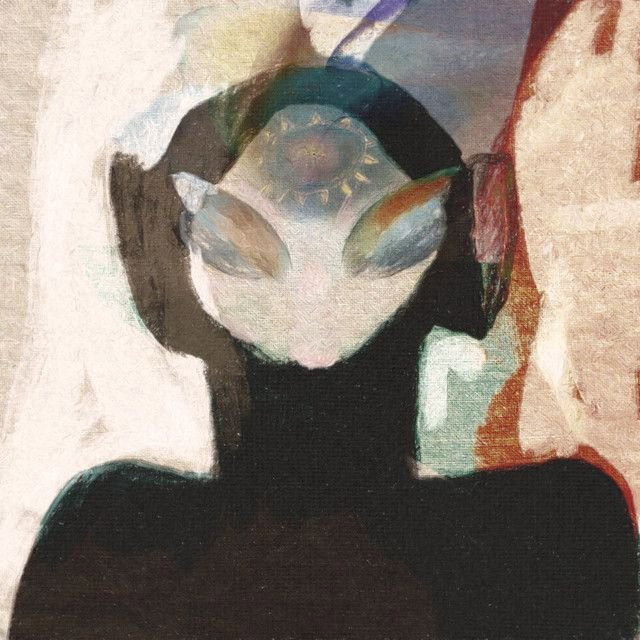
Why This BMTH Song Feels So Disturbing
The meaning of Dead Dolphin Sounds 'aid brain growth in unborn child' Virtual Therapy / Nature Healing 2 Hours (feat. Toriel) Bring Me the Horizon, Toriel starts with a joke-like title and ends somewhere much darker. Even before the listener reaches the spoken-word section, the song creates a loop of private pain and public indifference.
"Dead Dolphin Sounds 'aid brain growth in unborn child' Virtual Therapy / Nature Healing 2 Hours (feat. Toriel)" - Bring Me the Horizon ft. Toriel
It's too much to bear
There's dead dolphins in the ocean
Loading lyrics...
Unable to load lyrics
We're unable to display the lyrics at this time. Please try again later.
Bring Me the Horizon have built a career on emotional intensity and left-turn experiments, from metalcore to electronic pop and ambient detours. That wider context matters here: this track feels less like a traditional song and more like a mood piece, using repetition, absurdity, and discomfort to make a point.
A Tiny Lyric, a Huge Emotional Spiral
At its core, the track says one simple thing again and again: the speaker feels abandoned. The opening phrase I'm so lonely
is blunt, almost childlike in its directness. Right after that comes too much to bear
, which turns sadness into overload.
That matters because the song does not offer a solution, a twist, or even much narrative movement. Instead, it stays locked in the same emotional room. The repeated return to no one seems to care
makes the loneliness feel social, not just personal. They are not only hurting; they believe the world has stopped responding.
Watch the official Dead Dolphin Sounds 'aid brain growth in unborn child' Virtual Therapy / Nature Healing 2 Hours (feat. Toriel)
music video
The Dolphin Image Is the Song’s Real Shock
The line about dead dolphins in the ocean
is where the song opens outward. On one level, it is a grim image of environmental loss. On another, it works as a symbol for visible suffering that somehow still goes ignored.
Interpretation: the dolphins may stand for innocence, intelligence, or living things humans claim to love but fail to protect. Dolphins are often treated in culture as friendly, almost human animals. Using them here raises the emotional stakes fast. If even that image cannot wake people up, then the song suggests a frightening level of numbness.
That is why the lyric pairing works. The private line about loneliness and the public line about dead animals reflect each other. Inner pain and outer disaster become part of the same message: suffering is everywhere, and people have learned to scroll past it.
Why Repetition Is the Whole Point
Many songs use repetition for catchiness. This one uses it like pressure. Each return to the same words feels less like a chorus and more like a panic loop.
I'm so lonelytoo much to beardead dolphins in the oceanno one seems to care
Because the lyrics barely change, the listener starts to feel stuck inside the thought itself. That is likely intentional. Interpretation: the structure mirrors anxiety or depression, where the same ideas replay until they flatten everything else.
There is also a faint satirical edge. The exaggerated title sounds like internet junk content, while the lyric loop sounds like emotional doom. Together, they create a world where wellness branding and real despair exist side by side.
The Spoken Section Changes the Frame
The later spoken passage can sound messy, funny, or improvised, but it adds a key idea: empathy. The voices talk about dolphins as emotional, intelligent beings, even comparing their expressions to human faces. They drift between jokes, awe, and discomfort.
That section matters because it deepens the phrase no one seems to care
. The song is not only about one lonely person. It becomes a wider complaint about how casually humans treat other forms of life, and maybe each other too.
The rambling style also feels internet-native. It sounds like overheard conversation, a voice memo, or late-night dissociation. Bring Me the Horizon often pull from digital culture and fragmented modern life, which makes this loose section feel fitting rather than random.
How the Sound Carries the Meaning
Production is crucial to the meaning of Dead Dolphin Sounds 'aid brain growth in unborn child' Virtual Therapy / Nature Healing 2 Hours (feat. Toriel) Bring Me the Horizon, Toriel. With writing credited here to Alissa Salles, Jordan Fish, Oliver Sykes, and Daniel Lancaster, the track reflects the band’s long-running interest in electronic textures, atmosphere, and emotional unease.
Rather than building toward a big release, the music leans into drift and repetition. That makes the song feel suspended, like a thought that will not let go. If a normal pop arrangement promises movement, this one denies it. The result is unsettling.
Interpretation: the ambient framing may parody so-called healing audio while also using its soft textures sincerely. That tension is what makes the track memorable. It sounds soothing on the surface but emotionally rotten underneath.
Two Strong Ways to Read It
There are at least two useful readings:
- Mental health reading: the song portrays loneliness so intense that the outside world starts to look deadened too.
- Cultural reading: it mocks a detached online culture that packages comfort while ignoring suffering in plain sight.
The best reading may be both at once. Bring Me the Horizon often blur sincerity and irony, and that blur gives the song its bite.
Why the Song Lingers
This track stays with listeners because it takes very few words and makes them feel heavy. It links isolation, environmental dread, and digital-age absurdity without ever turning into a lecture.
In the end, the meaning of Dead Dolphin Sounds 'aid brain growth in unborn child' Virtual Therapy / Nature Healing 2 Hours (feat. Toriel) Bring Me the Horizon, Toriel is less about plot than atmosphere. They turn one bleak thought into a whole emotional landscape.
Disclaimer: Song interpretation is partly subjective. This article separates clear lyrical evidence from informed interpretation, and other listeners may hear different meanings.








