Why This Broken Social Scene Song Still Hurts
The meaning of Anthems For A Seventeen Year-Old Girl Broken Social Scene comes down to one feeling: mourning the version of someone they thought they knew.
"Anthems For A Seventeen Year-Old Girl" - Broken Social Scene
Provided by LyricFindUsed to be one of the rotten ones and I liked you for that
Used to be one of the rotten ones and I liked you for that
Used to be one of the rotten ones and I liked you for thatLoading...Loading lyrics...
Unable to load lyrics
We're unable to display the lyrics at this time. Please try again later.
The Heart of the Song's Meaning
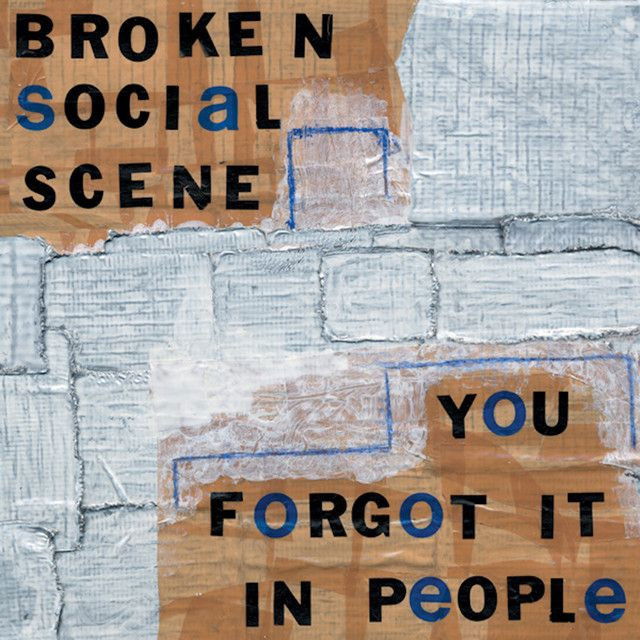
Broken Social Scene released this track on You Forgot It in People in 2002, the album that helped define their rise in indie rock. The song is sung by Emily Haines, whose voice turns the words into something fragile and half-remembered rather than loud or angry. It remains one of the band's signature songs.
At its core, the song is about change that feels like loss. The speaker remembers someone as wild, imperfect, and real, then sees them return as more polished, more performative, and emotionally unavailable. That shift is summed up in the contrast between one of the rotten ones
and got your make-up on
.
The first phrase is not really an insult. In context, it sounds almost affectionate. They liked this person because they were rough around the edges, maybe even rebellious. The later image suggests surface, image, and distance. The pain is not about makeup itself. It is about what that transformation seems to represent.
Watch the official Anthems For A Seventeen Year-Old Girl
music video
A Song About Growing Up Without Wanting To
The title suggests youth, but the song is not only about being 17. It is about the emotional violence of growing up and realizing people do not stay fixed in the roles they once had. Friends change. Crushes change. Entire scenes change.
Interpretation: the song frames adolescence as a place of emotional honesty, even chaos, while adulthood brings self-consciousness and social performance. That is why the repeated plea that the person is not coming back
lands so hard. It feels less like a physical goodbye than the end of a version of a person.
This is one reason the song connects so strongly with listeners in the United States and beyond. Even without a detailed plot, it captures a common experience: watching intimacy get replaced by image.
How the Lyrics Build That Feeling
The writing is simple, but it is carefully chosen. Instead of telling a full story, the song circles a few images and lets them deepen.
The old self versus the new self
The repeated memory of the person being flawed but lovable creates the song's emotional base. The speaker does not want perfection. They want the old messiness back.
Then the song introduces bright, almost harsh details like bleaching your teeth
and smiling while talking trash. Those images feel plastic and social. They suggest someone curating themselves for the world.
The fantasy of closeness
The most famous refrain, park that car, drop that phone
, shifts the song into yearning. It sounds like a command, but really it is a wish. Stop moving. Stop performing. Stop being distracted. Come back to something simple and intimate.
Park that car, drop that phone
sleep on the floor
dream about me
That brief passage imagines a stripped-down closeness. No status. No schedule. No polished version of the self. Just memory, physical space, and desire.
Why the Repetition Matters So Much
A lot of the song's power comes from how often it repeats itself. The lines do not move forward in a normal narrative way. They loop.
That looping creates two effects:
- It mimics obsessive memory.
- It makes the song feel suspended in time.
Instead of resolving the hurt, the song stays inside it. That is emotionally accurate. When someone changes or drifts away, people often replay the same details again and again, hoping they will mean something different the next time.
The Sound Carries the Meaning
Musically, this is one of Broken Social Scene's most delicate recordings. The arrangement layers soft drums, gentle guitar, and a dreamy, almost floating vocal. There is also a hazy, collective texture that fits the band's larger style: music that feels communal, but emotionally lonely at the center.
Emily Haines does not belt these lines. She nearly breathes them. That choice matters. If the song were shouted, it might feel accusatory. Sung this way, it feels like private grief.
The production also avoids a big dramatic payoff. Instead, it builds a blurred emotional atmosphere. That mirrors the song's subject: memory is not clean or linear. It is foggy, repetitive, and full of unfinished feeling.
Artist Context Helps Explain the Song
Broken Social Scene were known for their loose collective structure, with multiple writers and contributors shaping songs. The writing credits here reflect that shared identity: Brendan Canning, Charles Spearin, Emily Haines, James Shaw, Jessica Moss, John Crossingham, Justin Peroff, and Kevin Drew.
That matters because the song feels both personal and communal. It sounds like one person's ache, but also like a whole scene looking back on its younger self. In that sense, the meaning of Anthems For A Seventeen Year-Old Girl Broken Social Scene may also include a wider sadness about indie culture, youth, and the loss of innocence.
More Than One Reading Is Possible
There is no single official meaning that closes the song.
Interpretation 1: it is about a friend or crush who became more socially polished and emotionally distant.
Interpretation 2: it is about growing up itself, where the speaker mourns not only another person, but their own lost youth.
Interpretation 3: it may even reflect scene politics, where authenticity and image begin to clash.
All three readings fit because the song is intentionally spare. It gives just enough detail to feel specific, but enough openness to let listeners place their own memories inside it.
Why It Still Lasts
The song endures because it understands a hard truth: people do not only leave by disappearing. Sometimes they leave by changing in front of them.
Broken Social Scene turn that quiet heartbreak into something soft, dreamy, and devastating. The song does not argue that the past was perfect. It only shows how painful it is when the rough, real version of someone fades into performance.
This interpretation is based on the lyrics, the recording, and the band's context. Like most great songs, it remains open to personal meaning.








