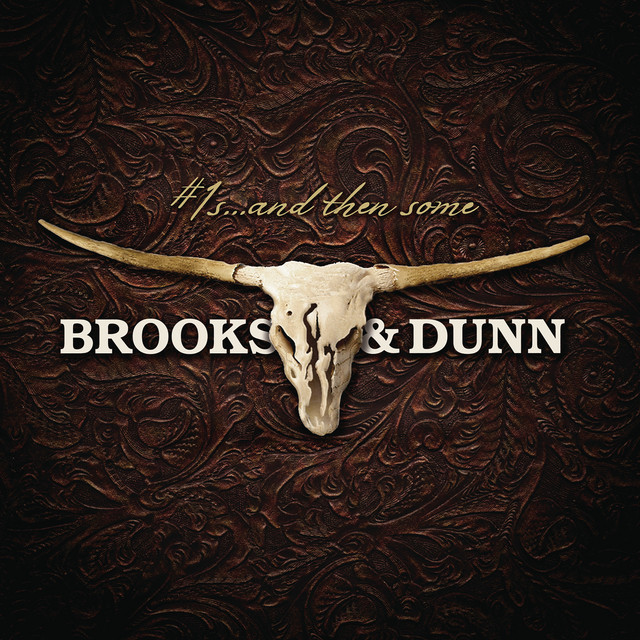
Why 'Believe' Still Hits So Hard
The meaning of Believe Brooks & Dunn comes down to one simple idea: faith becomes real when it is seen in another person’s life. Rather than starting with doctrine, the song starts with a neighbor, a porch, and a child who notices quiet strength.
"Believe" - Brooks & Dunn
Down the street where I grew up
My mama used to send me over with things
Loading lyrics...
Unable to load lyrics
We're unable to display the lyrics at this time. Please try again later.
Released on Hillbilly Deluxe in 2005, “Believe” was written by Ronnie Dunn and Craig Wiseman. It became one of Brooks & Dunn’s most honored songs, winning CMA awards for Single, Song, and Music Video of the Year in 2006, while also earning ACM Song of the Year honors. It was released as a single on October 24, 2005, and later reached No. 8 on Billboard’s Hot Country Songs chart and Platinum certification in the U.S. Those facts help explain why it remains one of the duo’s signature ballads.
A Small-Town Story With Big Questions
At the center of the song is Old Man Wrigley, a widower and veteran who lives down the street from the narrator’s childhood home. The early scenes are ordinary on purpose: visits from his mother, long summers, and time on an old porch swing. That plain setting matters because it grounds the song in real life before it reaches for spiritual meaning.
The plot turns when the young narrator learns about the old man’s losses. Wrigley has suffered more than most people could bear, yet he is not broken by bitterness. Instead, he speaks with a calm certainty that he will be reunited with his family.
That is the key emotional exchange. The child asks how someone survives such pain, and the answer is not a lecture. It is belief lived out in front of him.
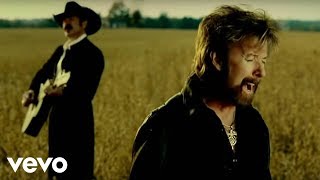
Watch the official Believe
music video
How the Chorus Explains the Song’s Heart
The chorus gives the song its clearest statement of faith. When the narrator repeats I raise my hands
and bow my head
, the song shows belief as both emotional and physical. Faith is not just an idea in his mind; it becomes an act of surrender and trust.
The next image, words written in red
, points to red-letter Bibles, where the words of Jesus are printed in red. In the song, that phrase signals a specifically Christian frame. Still, the emotional message is broader: the narrator finds hope in the thought that life is bigger than what human eyes can measure.
That leads to the song’s most repeated thought, paraphrased as a belief that there is more to life than the visible world. The chorus turns private grief into a public confession. What started as Wrigley’s conviction slowly becomes the narrator’s own.
The Second Verse Turns Memory Into Faith
Years later, the narrator hears that Wrigley has died. This section matters because the song could have stayed a childhood memory, but instead it shows how belief matures over time. College has taken the narrator away from home, yet the old man’s words remain with him.
When he reflects on those summers, the song suggests that memory can act like a seed. What once sounded mysterious now feels deeply clear. He does not only mourn Wrigley. He begins to understand him.
Interpretation: This is why the song resonates with so many listeners. It argues that faith is often passed person to person, not through argument, but through witness. The old man’s peace becomes proof of something the narrator cannot touch but can no longer dismiss.
The Bridge Faces Death Without Giving In
The bridge is where the song pushes back hardest against despair. The narrator admits he cannot cite chapter and verse, which makes the moment more human. He is not claiming expert theology. He is saying that lived experience has persuaded him.
The line built around slow ride in a hearse
rejects the idea that death is the final full stop. Then the repeated phrase this can't be all there is
sounds less like debate and more like conviction breaking through grief.
This is an important shift. Earlier, the old man is the teacher. By the bridge, the narrator has become the believer.
Why the Sound Makes the Meaning Stronger
Part of the meaning of Believe Brooks & Dunn comes from its arrangement. The recording is a restrained country-gospel ballad, led by Ronnie Dunn’s vocal, with acoustic guitar and organ carrying much of the emotional weight. There is no big, flashy production trick.
That choice fits the story. The soft instrumentation leaves space for reflection, and Dunn sings with a steady ache instead of melodrama. The record was produced by Kix Brooks, Tony Brown, and Ronnie Dunn, and their approach keeps the focus on the testimony inside the lyric.
The result feels almost like a pew-side conversation turned into song. That simplicity is one reason the song still lands so hard.
Why It Lasted Beyond Its First Release
“Believe” had real commercial success, but its reputation goes beyond charts. Rolling Stone later ranked it among the saddest country songs of all time, and Brooks & Dunn revisited it in later years with Kane Brown in 2019 and Jelly Roll in 2024. Those later versions show that its message still connects across generations.
Interpretation: The song lasts because it does two things at once. It honors Christian belief very directly, and it also speaks to anyone who has watched someone grieve with grace. Even listeners who do not share its theology can understand its deeper emotional claim: love feels too lasting to end at the grave.
The Lasting Takeaway
In the end, “Believe” is not really about winning an argument over religion. It is about how one decent, wounded, faithful man changes the way another person sees death, loss, and hope.
That is the real meaning of Believe Brooks & Dunn: faith becomes believable when it is embodied. Through a neighbor’s example, the song turns sorrow into hope and memory into testimony.
Disclaimer: This interpretation is based on the lyrics, recording context, and documented release history. As with any song, different listeners may hear its meaning in different ways.








