Why 'Boot Scootin' Boogie' Still Packs the Floor
The meaning of Boot Scootin' Boogie Brooks & Dunn starts with a simple idea: after a long week of work, people want a place to let go. This song turns that feeling into a vivid night out. It is not a sad country ballad or a heavy moral tale. Instead, it is a celebration of motion, music, and the kind of bar where everyone comes to forget the clock.
"Boot Scootin' Boogie" - Brooks & Dunn
Past the city limits sign
Well there's a honky tonk
Loading lyrics...
Unable to load lyrics
We're unable to display the lyrics at this time. Please try again later.
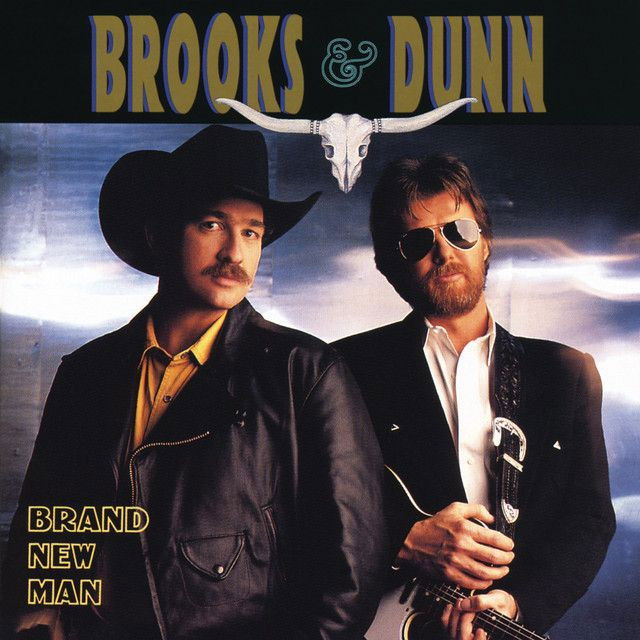
Brooks & Dunn released the song on their debut album Brand New Man, and Ronnie Dunn wrote it. The duo became one of the defining acts of 1990s country, blending honky-tonk roots with arena-sized energy. That context matters, because this track was built to feel lived-in and explosive at the same time.
A Honky-Tonk as an Escape Hatch
At the most basic level, the song follows a worker who finishes the day, gets in the truck, and heads toward a country dance hall. The setting sits outside town, "past the city limits," which makes it feel separate from rules, bosses, and routine. The location matters because the song treats the honky-tonk like a border crossing from everyday life into weekend freedom.
The verses sketch that world quickly. There is smoke, drink, dancing, flirting, and a crowd that knows why it came. The place is not glamorous. That is the point. It feels local, rough around the edges, and welcoming.
Interpretation: The bar is more than a bar. It represents a ritual of release. The narrator works hard, earns the night, and joins a crowd doing the same.

Watch the official Boot Scootin' Boogie
music video
The Story Moves Fast, Just Like the Truck
The narrative is easy to follow, and that helps explain the song's wide appeal:
- They introduce a honky-tonk outside town.
- The narrator finishes work and rushes there.
- Inside, they order a drink and notice a woman.
- The crowded room turns into a dance-floor party.
- The chorus invites everyone into the same motion.
That second step is especially important. When the singer says they "work hard for my money," the song gives the party emotional weight. This is not random rowdiness. It is earned fun.
Even the drive carries meaning. The rush toward the bar suggests hunger for freedom. The truck, the highway, and the hidden spot in the woods all fit a classic country pattern: movement toward a place where the self feels bigger and looser.
Why the Chorus Became a Cultural Trigger
The hook is the reason the song survived beyond radio. Phrases like heel toe do si do
and get down, turn around
do more than rhyme. They sound like dance instructions, chant, and invitation all at once.
That matters because the chorus pulls the listener into the scene. Instead of just watching the night happen, they can join it. The title phrase boot scootin' boogie
is playful, but it also names a whole social act: boots on wood, bodies in sync, strangers becoming part of the same pattern.
heel toe do si do
come on baby let's go
get down, turn around
Those lines are catchy, but their deeper role is communal. They turn the song into a shared routine, almost like a country version of a call to the dance floor.
The Crowd Tells Them What the Song Values
One of the sharpest details comes when the song describes who is in the room. It mentions all kinds of people mixing together, including outlaws, inlaws
. In plain terms, the song imagines a place where social lines blur for a night.
That image expands the meaning of Boot Scootin' Boogie Brooks & Dunn beyond partying. The dance floor becomes democratic. Workers, rebels, relatives, and regulars all move together.
Interpretation: The song suggests that country nightlife can create temporary equality. People may live very different lives outside, but inside the bar they share rhythm, heat, and release.
How the Sound Carries the Meaning
Musically, the track is built like a spark plug. Brooks & Dunn's early records were produced by Don Cook and Scott Hendricks, whose work helped define the duo's punchy 1990s sound. On this song, the beat is brisk, the groove is tight, and the arrangement leans into honky-tonk tradition while keeping a radio-ready shine.
The rhythm section gives the track its stomp. Fiddle and electric guitar add motion and twang, while the drums keep everything driving forward. The result feels physical. Even before listeners notice the lyrics, the band has already pushed them toward the floor.
Ronnie Dunn's vocal also matters. He does not sing the song like a delicate storyteller. He attacks it with swagger and speed, which fits the narrator's eagerness to leave work behind and dive into the night.
More Than Novelty, Less Than Deep Confession
Because the song is so fun, some listeners treat it like pure novelty. That misses part of its craft. It may be lighthearted, but it is precise about why the night matters. The line about a good job and quitting time gives the celebration a working-class backbone.
At the same time, it is not trying to be profound confession. The song stays on the surface on purpose. Its job is to capture a mood and make that mood contagious.
That balance helps explain its long life in bars, dance halls, and country playlists. It offers enough story to feel grounded and enough energy to feel timeless.
Why It Still Lands Today
The song still works because its central feeling never gets old. People still want a place to leave stress behind. They still want a crowd, a beat, and a reason to move.
So the real meaning is not just dancing. It is the human need for earned joy. Brooks & Dunn package that idea in a honky-tonk setting, but the emotion travels well beyond country bars.
Disclaimer: This interpretation combines lyrical analysis with musical and cultural context. As with any song, listeners may hear different meanings in the same lines.








