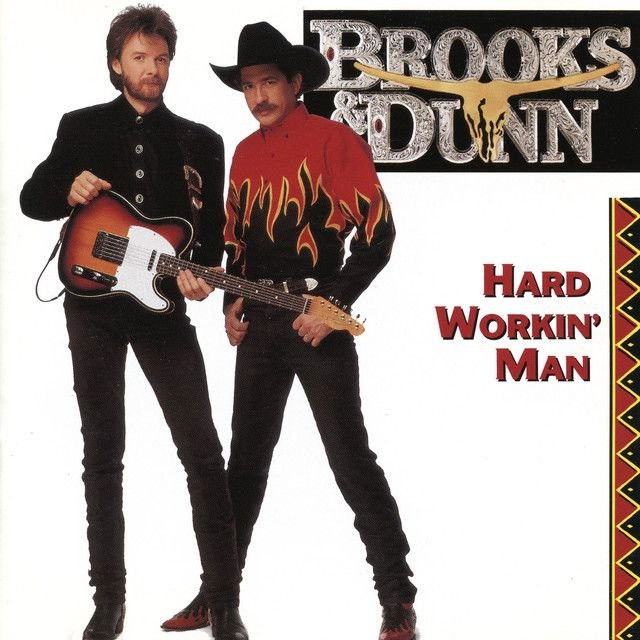
Why 'Hard Workin' Man' Still Hits Home
The meaning of Hard Workin' Man Brooks & Dunn starts with a familiar country image: a man who works with his hands, takes pride in what he does, and keeps going even when the rewards feel small. But the song is more than a simple salute to labor. It also captures the pressure, fatigue, and restless cycle behind that identity.
"Hard Workin' Man" - Brooks & Dunn
I wear a steel hard hat
I can ride, rope, hammer and paint
Loading lyrics...
Unable to load lyrics
We're unable to display the lyrics at this time. Please try again later.
Released on February 1, 1993, as the lead single and title track from Brooks & Dunn's second album, the song was written by Ronnie Dunn and produced by Don Cook and Scott Hendricks, according to the available release data in the research source. It reached No. 4 on Billboard's Hot Country Songs chart, hit No. 1 in Canada, and later won the 1994 Grammy for Best Country Performance by a Duo or Group with Vocals.
More Than a Work Anthem
At first listen, the song sounds like a proud self-portrait. The narrator introduces himself as a man with practical skills and physical toughness. When he says steel hard hat
, the image quickly places him in a world of labor, risk, and trade work. That detail matters because it grounds the song in real, working-class life rather than abstract ideas about ambition.
Still, the verses do not pretend hard work solves everything. One of the song's key ideas is that effort and reward do not always match. The narrator admits he cannot get ahead, even though he keeps pushing. That tension gives the song its emotional center.
Interpretation: They present hard work as both an identity and a trap. The singer is proud of what he can do, yet he is also stuck inside a system where hustle does not guarantee security.
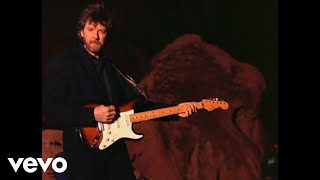
Watch the official Hard Workin' Man
music video
The Story the Verses Tell
The song moves through a clear cycle:
- He defines himself through skilled labor.
- He explains that everything he owns comes from hard-earned effort.
- He admits money is tight and progress feels out of reach.
- He blows off steam on the weekend.
- He returns to work and starts over.
That structure is important. It shows that his life is not a straight climb upward. It is repetition.
When the song mentions sweat of my brow
, it frames ownership as something earned through physical sacrifice. But that pride is undercut by lines about barely gettin' by
. The contrast is the whole point: they can work constantly and still live close to the edge.
Why the Chorus Feels Bigger Than One Man
The chorus expands the song from one worker's routine into something almost mythic. Phrases like promised land
suggest the dream of stability, prosperity, or just a decent life. He is chasing something larger than a paycheck.
Then the song adds a striking image: burnin' my candle at both ends
. In plain terms, he is overextending himself. He is spending all his time and energy trying to keep life together. The next idea, outrunning the wind, suggests he is trying to stay ahead of forces that never stop pushing back.
Interpretation: The chorus is not only about personal grit. It can also be heard as a portrait of the American working-class dream under pressure. The goal stays visible, but reaching it keeps getting harder.
Weekend Release, Monday Reset
One smart part of the lyric is how it handles pleasure. On Friday night, the narrator spends hard and parties hard. That could sound irresponsible, but the song presents it as release after strain. The weekend is not the opposite of work. It is part of surviving work.
By Monday, he is back on the job, serious again. That return matters because it shows discipline under the swagger. He is not rejecting responsibility. He is trying to make his routine bearable.
This section keeps the character from feeling flat. He is not just a labor symbol. He is someone balancing duty, pride, desire, and exhaustion.
How Brooks & Dunn's Sound Carries the Message
The production helps the meaning land fast. Brooks & Dunn built much of their early success on a mix of honky-tonk energy, rock drive, and sharp country storytelling, and this track is a good example of that approach. At just 2:58, it moves quickly, with little wasted space.
The beat pushes forward like motion on a job site or highway. The guitars and rhythm section give the song muscle, while Ronnie Dunn's vocal adds grit and conviction. He does not sound defeated, even when the words describe strain. That choice matters because it turns hardship into defiance.
Interpretation: The sound says, "keep moving," even when the lyrics admit the cost of that movement.
Artist Context and Why It Connected
In the early 1990s, Brooks & Dunn became one of country music's defining acts, often mixing rowdy performance energy with songs about everyday life. "Hard Workin' Man" fit that image perfectly. It gave listeners a blue-collar hero, but not a polished one.
The song likely connected because it felt recognizable. Many listeners knew the gap between effort and comfort. The music video, directed by Sherman Halsey, reinforced that broad American iconography with performance footage, rodeo imagery, Las Vegas scenes, and an ending image of a rider with an American flag, according to the research source.
That visual style matched the song's worldview: labor, freedom, masculinity, risk, and national identity all rolled together.
Final Take on Its Meaning
So what is the meaning of Hard Workin' Man Brooks & Dunn? At its core, the song is about dignity under pressure. It honors working with one's hands, but it also admits that pride does not erase stress, debt, or exhaustion.
That honesty is why the song lasts. It is catchy enough to feel like an anthem, yet sharp enough to reveal the cost of the life it celebrates.
Disclaimer: This interpretation is based on the lyrics, recording context, and public release information. Song meaning can remain open to different listener experiences.







