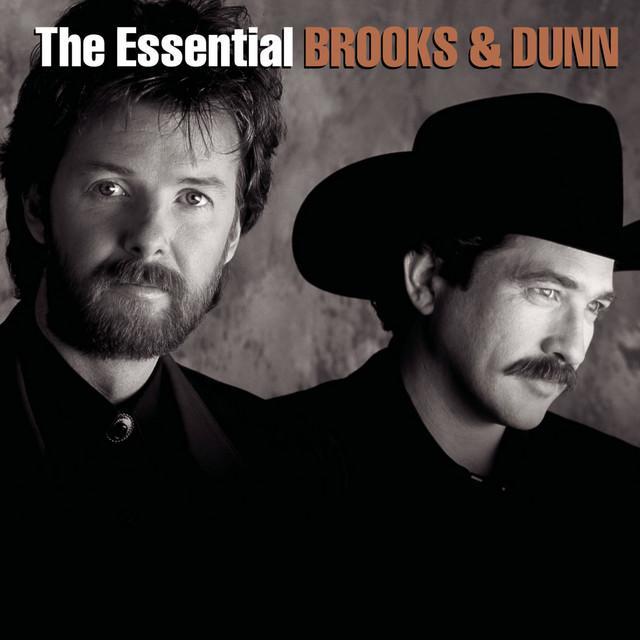
Why 'Red Dirt Road' Still Feels Like Home
The meaning of Red Dirt Road Brooks & Dunn comes down to a simple idea: a person’s life is shaped by where they begin, even after they leave. Brooks & Dunn turn one country road into a map of growing up. It holds childhood innocence, teenage risk, faith, heartbreak, and the strange comfort of coming back older.
"Red Dirt Road" - Brooks & Dunn
Out past where the blacktop ends
We'd walk to church on Sunday morning
Loading lyrics...
Unable to load lyrics
We're unable to display the lyrics at this time. Please try again later.
Released in 2003 as the title track from Red Dirt Road, the song was written by Kix Brooks and Ronnie Dunn and became one of the duo’s signature hits, reaching No. 1 on Billboard’s Hot Country Songs chart, according to available chart histories and song references. It is also rooted in Ronnie Dunn’s memories of Rural Route Three near El Dorado, Arkansas, which gives the story a personal core.
A Road That Means More Than a Road
On the surface, the song is a memory piece. The narrator looks back at church walks, summer romance, sneaking out at night, and reckless teenage moments. But the red dirt road is more than scenery. It becomes a symbol for the full stretch of a life.
That idea comes through most clearly in the final lesson that there is life at both ends
of that road. In plain terms, the song says beginnings and endings matter, but the real story is everything learned in between.
Interpretation: The road stands for a worldview, not just a location. It is where values are formed, where mistakes happen, and where memory keeps pulling them back.
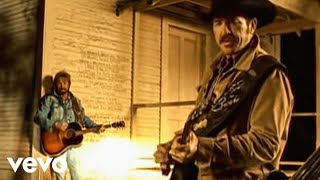
Watch the official Red Dirt Road
music video
The Story Moves Through Life Stages
One reason the song connects so well is its clean timeline. It moves through major turning points without sounding rushed.
Childhood, Then Awakening
The opening places the narrator past where the blacktop ends
. That detail matters. It marks a rural setting outside modern speed and noise. This is a world of church, fences, bare feet, and blackberries.
Then comes Mary and the line about turning a corner in the soul. The song suggests first love is not just romance; it is the start of self-awareness. The narrator begins to feel life deepen.
Youthful Risk and Moral Learning
The chorus gathers the biggest milestones into one burst. The narrator recalls my first beer
, found Jesus
, and wrecked my first car
. These are not random memories. They mix rebellion, belief, and consequence.
The key message is that maturity does not come from being perfect. The song says happiness is not only for winners or polished people. It belongs to ordinary people who stumble, learn, and keep going.
the path to heaven
is full of sinners and believers
That brief idea is central to the song’s heart. It presents faith in a grounded country way: not as moral bragging, but as something lived by flawed people.
Mary, Home, and the Pull of Return
The love story gives the song emotional warmth. Mary is introduced in a simple small-town scene, then becomes part of the narrator’s memory of freedom and possibility. Later, they lose each other, and then reconnect.
That return matters because the song is not only about going back to a place. It is also about restoring part of the self. When the narrator comes home, the road feels like a long lost friend
. The place is familiar, but so is the person they used to be there.
Interpretation: Mary may represent more than one woman. She can also be read as a symbol of lost innocence or the life the narrator almost left behind for good.
Why the Chorus Feels So Big
Brooks & Dunn built the chorus like a personal testimony. Each line adds another milestone, and together they sound like a life review. That structure helps explain the enduring appeal of the meaning of Red Dirt Road Brooks & Dunn: the song turns specific memories into common experiences.
Many listeners may not have lived on a dirt road, but they understand first mistakes, first faith questions, first love, and the feeling of looking back with mixed pride and regret.
The chorus also avoids judging the younger self too harshly. Instead, it frames growth as messy and human. That balance keeps the song from becoming either sentimental or preachy.
How the Sound Carries the Message
The recording supports the lyrics with a broad, warm country-rock feel. Reports on the song’s creation note that Kenny Greenberg’s improvised guitar riff became a defining hook in the session, helping give the track its anthemic lift. That matters because the song needs to feel both intimate and wide-open.
The rhythm moves at an easy driving pace, like a ride down a back road at dusk. The guitars ring instead of bite, and the vocals carry memory with confidence rather than sadness. Brooks & Dunn do not sing like they are trapped in the past. They sound grateful for it.
Producer Mark Wright worked with Brooks and Dunn on the track, and the arrangement reflects that polished 2000s country sound: clean drums, clear acoustic support, and a chorus built to open up emotionally without losing its roots.
Why the Song Endures
Part of the song’s staying power is factual: it was a major hit and remains one of the duo’s best-known songs. But its deeper strength is emotional. It treats small-town life seriously without pretending it is perfect.
The song includes faith, desire, bad decisions, family pressure, loss, and reunion. That mix gives it texture. It honors home while admitting home is where a person first learns pain too.
In the end, the meaning of Red Dirt Road Brooks & Dunn is about formation. A life can travel far, but the early road still shapes the journey. That is why the song feels less like a postcard and more like a testimony.
Final Thought on the Song's Meaning
Brooks & Dunn made a coming-of-age song that also works as a homecoming song. It says people are made by places, by choices, and by the lessons they only understand later.
Disclaimer: This interpretation combines documented background with critical reading of the lyrics and recording. Like any song, its meaning can vary from listener to listener.







