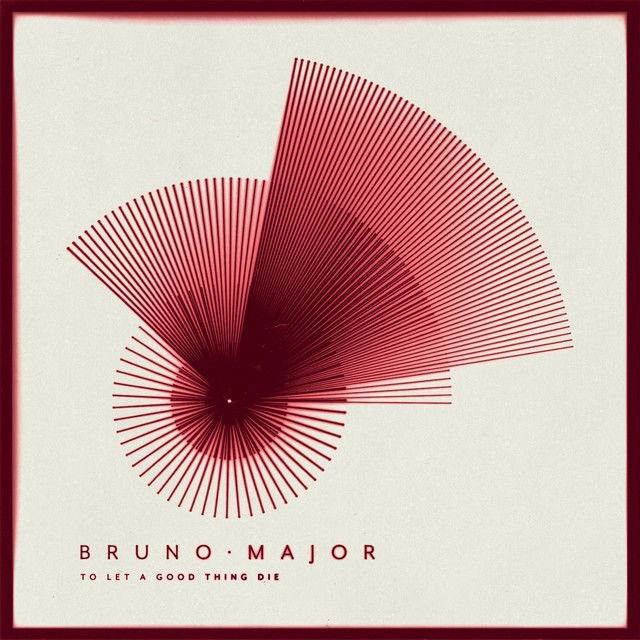
Old Fashioned by Bruno Major
Why This Love Song Still Feels Fresh
The meaning of Old Fashioned Bruno Major centers on a simple but powerful idea: real romance does not need irony. The song celebrates small, thoughtful gestures that some people call cheesy or dated, and it treats them as sincere acts of care instead.
"Old Fashioned" - Bruno Major
Standing here, serenading like a fool
But I don't care
Loading lyrics...
Unable to load lyrics
We're unable to display the lyrics at this time. Please try again later.
Rather than trying to sound clever, they present a narrator who is happy to look uncool if it means loving someone well. Early lines admit that serenading can seem foolish, but the singer accepts that risk. That honesty gives the song its warmth.
Bruno Major released the track in 2017 on A Song For Every Moon, a project that helped define their soft, intimate style. Written by Bruno Major and Daniel McDougall, the song fits their catalog of tender, jazz-leaning pop that values feeling over flash.
Watch the official Old Fashioned
music video
The Heart of the Message
At its core, the song argues that romance is not embarrassing when it is genuine. The narrator knows the rules of modern coolness. They know people might roll their eyes at love-at-first-sight, dressing up for a date, or walking someone home. Still, they choose tenderness anyway.
That is why phrases like serenading like a fool
matter. The song does not deny that old gestures can look awkward. It says awkwardness is a price worth paying for closeness.
Another key line is I'll gladly be a fool
. Paraphrased, the singer is saying love matters more than pride. That shifts the song from a cute date-night tune into a statement about vulnerability.
How the Verses Build a World
Each verse adds another image of courtship. None of them are dramatic. There is no breakup, no betrayal, no giant twist. Instead, the song builds meaning through ordinary actions.
Small gestures, big meaning
The details are classic: dressing nicely, lending a jacket, staying out in the cold, and walking a person home. When the narrator says Sunday best
and mentions a favorite dress
, the song paints romance as an event worth preparing for.
These images also suggest respect. The singer is not trying to rush intimacy. They are trying to create a moment, to make the other person feel chosen and cared for.
A timeline of gentle pursuit
The song moves in a clear sequence:
- The narrator admits they may look silly.
- They confess a fast-growing love.
- They imagine a thoughtful date.
- They picture seeing the person safely home.
That sequence matters because it turns attraction into intention. This is not just infatuation; it is infatuation shaped into action.
The Chorus and Its Quiet Promise
The chorus gives the song its thesis: old fashioned for you
. In plain terms, the narrator is willing to practice a style of love that feels traditional because this person is worth the effort.
Interpretation: the phrase is not really about being trapped in the past. It is about choosing manners, patience, and visible devotion in a culture that often hides sincerity behind jokes. The song treats romance as a craft.
That makes the chorus feel bigger than its few words. It is a promise of behavior, not just emotion.
I'll put on my Sunday best
You pick out your favorite dress
I'll take you somewhere new
This brief passage shows the song at its sweetest. The idea is mutual participation: both people prepare, both step into the moment, and love becomes something shared.
What the Sound Adds to the Lyrics
The production is a big reason the song lands so softly. Bruno Major often works in a space between soul, jazz-pop, and acoustic singer-songwriter music, and this track reflects that balance. The arrangement feels light, clean, and close to the ear.
The rhythm moves gently, without pushing too hard. Soft guitar, warm chords, and an easy vocal delivery make the song feel like an invitation rather than a performance stunt. That matters because a louder or more dramatic production could have made the lyrics feel exaggerated.
Instead, the music supports the theme of modest devotion. The melody rises just enough to sound hopeful, while the phrasing stays conversational. Their vocal tone carries affection without overselling it.
For broader artist context, Bruno Major's official artist page presents a body of work built around intimacy and understated songwriting. "Old Fashioned" is one of the clearest examples of that approach.
Artist Context and Reception
Bruno Major built a following with songs that sound handmade and emotionally direct. In that context, "Old Fashioned" stands out because it distills their strengths into one compact message: modern listeners still want tenderness.
Fans often respond to the song because it feels free of cynicism. It offers romance without sarcasm. In an era when many love songs lean toward chaos, ambiguity, or cool detachment, this one feels brave in a quieter way.
A Few Strong Interpretations
Reading one: a defense of sincerity
Interpretation: the song pushes back against the idea that earnest love is outdated. Every time the narrator admits something is a cliché and then embraces it anyway, they reclaim romance from embarrassment.
Reading two: love as chosen behavior
Interpretation: the song suggests that love is shown through conduct. Clothes, courtesy, and patience are not empty symbols here. They are proof that affection takes form in everyday actions.
Final Take
The meaning of Old Fashioned Bruno Major is about choosing tenderness even when it feels uncool. Its narrator is not ashamed to be earnest, and that is exactly what makes the song charming.
By pairing gentle lyrics with warm, understated production, Bruno Major turns familiar romantic gestures into something believable again. Interpretation disclaimer: like any song, "Old Fashioned" can mean different things to different listeners, and this reading is one informed interpretation based on the lyrics, context, and sound.








