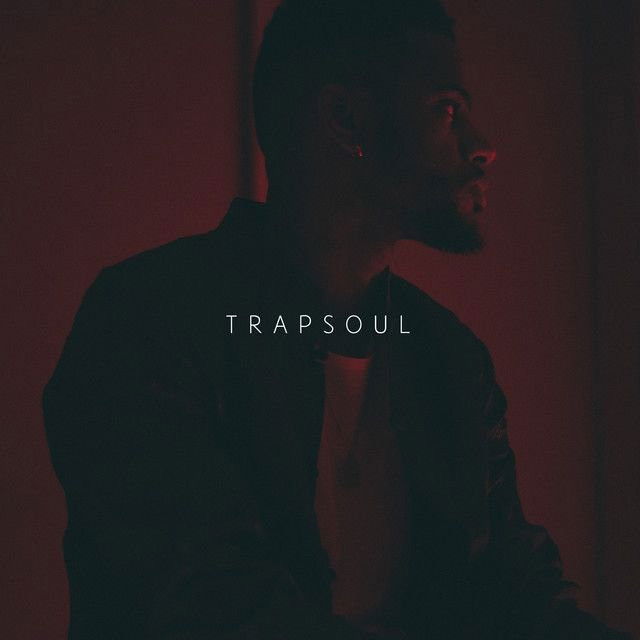
Why Bryson Tiller Calls This Love Different
The meaning of Intro (Difference) Bryson Tiller comes down to one central idea: they are trying to convince someone that this love will not hurt the same way as past love. It is a short opening track, but it does a lot with repetition, tone, and restraint.
"Intro (Difference)" - Bryson Tiller
Could've sworn that you told me
Well, I'm tellin' you, I'm tellin' you
Loading lyrics...
Unable to load lyrics
We're unable to display the lyrics at this time. Please try again later.
Rather than tell a full story, the song captures a moment. The speaker sounds like someone standing in front of a partner who has doubts, asking for one more chance to be heard. That makes the song feel personal, persuasive, and a little fragile at the same time.
A Small Song With a Clear Mission
Factually, “Intro (Difference)” is credited to Bryson Tiller, Joshua Scruggs, Rob Holladay, and Neil Dominique, and it fits the R&B/soul lane described in the provided song context. Those credits matter because the writing is extremely focused. There is no extra detail, no side plot, and no flashy metaphor.
Instead, the track builds around a simple promise: with me it's different
. The line is not just romantic. It is the whole emotional conflict of the song.
The speaker seems to know that words alone may not be enough. That is why they also say let me show you
. In other words, they are not only making a claim. They are asking to be tested.

Watch the official Intro (Difference)
music video
Who They Are Talking To
The song is directed at a specific person, most likely a lover or former partner. The repeated address to girl you told me
suggests an ongoing conversation, not a fantasy from a distance.
That detail matters because it gives the intro tension. This is not a smooth, carefree love song. It sounds like a reply. Someone has already expressed doubt, pain, or hesitation, and the speaker is answering back.
Interpretation: the song may be about romantic trust after disappointment. The other person may have been hurt before, possibly by the speaker or by someone else. Either way, the speaker believes they can offer a better version of love.
The Emotional Arc Hiding in the Repetition
Even though the lyric is brief, it moves through a few stages:
- First, the speaker recalls what the other person said.
- Next, they push back and insist they are still present.
- Finally, they make their case that this connection is unique.
That is why lines like I ain't through
feel important. Paraphrased, the speaker is saying they are not done trying, not done loving, and not ready to walk away.
Then the hook turns toward listening. When they say I just want you to listen now
, the request sounds simple, but it carries emotional pressure. They are asking for attention, patience, and belief.
Why “Difference” Is the Whole Point
The title tells listeners exactly what to focus on. “Difference” is both the theme and the challenge. Anyone can claim they are better. The harder part is proving it.
That is what gives the song an interesting double edge. On one side, it sounds sincere. On the other, it hints at insecurity, because people usually repeat themselves when they fear they are not being believed.
Interpretation: this tension is what makes the song work. The promise might be genuine, but the repetition also shows anxiety. The speaker needs the other person to see the change, not just hear about it.
How the Sound Supports the Meaning
Musically, the song fits Bryson Tiller’s moody R&B style, where atmosphere carries almost as much weight as the words. The production feels spare and intimate, which helps the repeated phrases land harder.
A fuller, busier arrangement might have turned this into a generic opener. Instead, the stripped-back feel keeps attention on the vocal tone. That tone matters because the performance sits between confidence and pleading.
This balance is a big part of the meaning of Intro (Difference) Bryson Tiller. The sound does not present the speaker as fully in control. It presents them as emotionally exposed, trying to sound certain while clearly needing reassurance back.
Artist Context Makes the Intro Stronger
Bryson Tiller’s best-known work often blends singing and rap-influenced phrasing with themes of desire, pride, and vulnerability. This intro fits that pattern well. It opens with emotional directness instead of a complex narrative, which is a smart way to set the mood for a larger project if heard in sequence.
As an intro, the song works like a thesis statement. It introduces a person who wants to be seen as distinct, valuable, and worth trusting. That makes the track feel less like a complete chapter and more like the emotional door into the world that follows.
A Promise, a Plea, and a Warning
One reason listeners may connect with the song is that it captures a common relationship moment: trying to separate oneself from past damage. Many people know what it feels like to say, in effect, “do not judge this love by the last one.”
Still, the song is not purely soft. There is also insistence in it. The speaker wants understanding, but they also want recognition. When they ask if the other person can tell the difference, they are not just offering love. They are asking to be acknowledged.
Final Take
The meaning of Intro (Difference) Bryson Tiller is about romantic persuasion under pressure. It shows someone trying to prove that their love deserves a fresh look, even if trust has already been damaged.
Its power comes from how little it says and how much it repeats. The song turns a simple claim into an emotional test: can another person believe change when all they have, at first, is a voice asking them to listen?
Disclaimer: This interpretation is based on the song’s lyrics, tone, and credited context. As with any song, meaning can vary from listener to listener.







