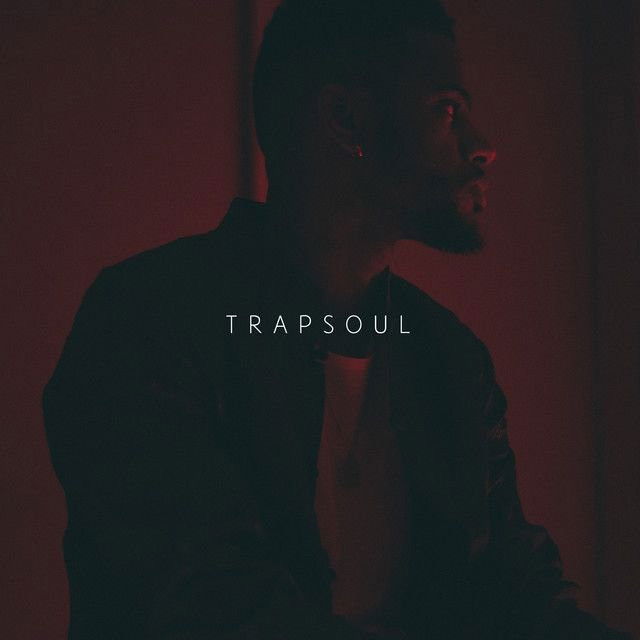
Open Interlude by Bryson Tiller
The meaning of Open Interlude Bryson Tiller centers on emotional release after silence, mixed with desire, hurt, and the need for reassurance. The song feels like a private moment caught in real time. Rather than telling a complete story, it captures the exact second when one person senses the other is finally ready to be honest.
"Open Interlude" - Bryson Tiller
Now's the time to just clear the air
Put this shit back in motion
Loading lyrics...
Unable to load lyrics
We're unable to display the lyrics at this time. Please try again later.
Because of that, the track works as both a confession and a plea. They hear a narrator who has been waiting, watching, and holding in strong feelings. Once the other person seems emotionally available, he rushes to say what all of it has meant.
A Late-Night Song About Vulnerability Finally Breaking Through
At its core, the song is about someone who believes a relationship has reached an important turning point. The opening sets a mood of resetting and moving forward. The narrator wants to “clear the air,” which suggests tension, unfinished conversations, and emotional buildup.
When he notices the other person is finally open
, he takes that as a rare chance to speak plainly. He is not just talking about attraction. He is trying to prove that the relationship changed him. That is why the emotional center of the song is not the smoke-filled setting or the flirtation. It is the admission that this person has helped me grow
.
Interpretation: The song suggests that intimacy is not only physical. For the narrator, closeness has shaped his identity, and he wants that growth to be recognized.

Watch the official Open Interlude
music video
The Emotional Timeline Hidden Inside the Interlude
Even though the track is brief, it has a clear inner movement:
- There is tension and distance.
- The two people reconnect in a private, hazy setting.
- He notices pain underneath the surface.
- He confesses how much the relationship has affected him.
- He insists all of this has to
mean somethin'
.
That final idea matters most. The repeated phrase acts like self-persuasion. He is trying to convince both the other person and himself that the bond is real and important.
Why the Song Feels So Raw
One reason the song hits so hard is that the narrator sounds split between confidence and fragility. In one moment, he is direct and sexual. In the next, he is wounded, saying he has been sufferin'
. That contrast is a big part of Bryson Tiller’s writing style on T R A P S O U L, the 2015 album that established his moody blend of R&B, hip-hop, and confession source.
The title “interlude” also matters. An interlude often feels unfinished or in-between. That suits a song where emotions are still forming and nothing is fully resolved. It sounds like a voice memo from the middle of a relationship crisis, not a polished final statement.
Small Images, Big Meaning
The song uses a few everyday details to create emotional weight. The smoking imagery and the blurred atmosphere are not just there for style. They suggest two things at once:
- a private space where defenses drop
- a foggy mental state where feelings come out messy
When he mentions not being looked in the eye, the point is simple but powerful. Eye contact becomes a symbol of truth. If someone cannot meet his gaze, they may be hiding pain, guilt, or fear.
Interpretation: The track turns ordinary details into signs of emotional avoidance. The room may be relaxed, but the feelings inside it are not.
How the Hook Changes the Meaning
The chorus makes the song bigger than a single encounter. By repeating that everything gotta mean somethin'
, the narrator reveals his deeper fear: that he may have invested real emotion in something the other person sees as temporary.
That hook also shows how unstable he feels. He says he could go insane for your love
, which is not a literal statement but a dramatic way of saying the relationship has pushed him toward emotional overload. He is overwhelmed enough to ignore outside opinions and even question his own habits and limits.
Sound and Performance: Why the Production Matters
The production supports the song’s meaning by keeping everything intimate and slightly blurred. The beat is slow, soft, and woozy, which mirrors the emotional haze in the lyrics. Bryson Tiller’s vocal delivery matters just as much. He slides between rapping, murmuring, and singing, making the track feel unstable in a human way.
That style became a defining part of his early work and of the “trap soul” label attached to him by critics and listeners source. The writing credits also show a collaborative process, with Bryson Tiller and others including Adam Feeney and Alex Isley credited on the song, as provided in the song information.
Two Strong Readings of the Song
Reading One: A real emotional breakthrough
In this reading, the song captures the first honest moment after distance. The narrator sees the other person soften, and he responds with truth instead of posturing.
Reading Two: A desperate need for validation
In another reading, he is less calm and more dependent than he admits. His repeated insistence that the relationship matters may signal insecurity. He needs the connection to mean something because otherwise his suffering would feel pointless.
Both readings can be true at once. That tension is why the song still feels alive.
Why “Open Interlude” Still Connects
The meaning of Open Interlude Bryson Tiller lasts because it captures a feeling many people recognize: the need to know that emotional risk was worth it. The song is not just about romance. It is about wanting proof that vulnerability, pain, and growth added up to something real.
That is why the track lingers after it ends. It lives in the uncertain space between confession and confirmation.
Disclaimer: This interpretation is based on the lyrics, performance, and available song context. As with any art, listeners may hear different meanings in it.








