The Real Meaning Behind 'Demons' by Imagine Dragons
Why does this confession feel so familiar? The meaning of Demons Imagine Dragons circles a simple truth: people carry darkness, and love means being honest about it.
"Demons" - Imagine Dragons
And the cards all fold
And the saints we see
Loading lyrics...
Unable to load lyrics
We're unable to display the lyrics at this time. Please try again later.
What This Confession Is Really Saying
At its core, Demons is about radical self-awareness. The narrator knows their flaws can spill over onto someone they care about. They want to protect that person, but they also refuse to pretend.
They admit, as one line puts it, I wanna hide the truth
—then immediately counter it: protection without honesty fails. This tension drives the whole song. It isn’t self-loathing; it’s responsibility. By naming the problem, they keep it from growing in the dark.
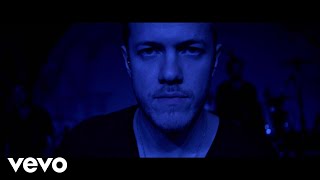
Watch the official Demons
music video
Who’s Speaking—and Why It Matters
The song speaks in the first person to a close “you,” likely a partner or dear friend. They lay out the warning with stark images, then with plain words: there’s a part of them they can’t fully control, with the beast inside
.
Interpretation: They’re not pushing the person away from love; they’re pushing them toward clear-eyed love—one that sees the whole person.
A Short Story in Three Beats
- The world turns cold and fake. Ideals crack; heroes disappoint. The stage is set for disillusionment.
- The narrator steps forward: they want to shield the listener but confess the shadow they carry. Self-knowledge beats denial.
- A pledge and a warning follow: love me, but carefully. The refrain anchors the cost and the care.
Why the Chorus Stays With You
In the chorus, a calm surface gives way to a blunt admission:
When you feel my heat Look into my eyes It’s where my demons hide It’s where my demons hide
These lines ask for intimacy and caution at once. Look closely, they say, but don’t ignore the risk. The plea that follows—Don't get too close
—isn’t cruelty; it’s consent and boundary-setting in musical form.
Symbols That Do the Heavy Lifting
- Eyes: The soul’s window returns again and again. The narrator invites the listener to “look,” linking sight with truth.
- Light vs. dark: Hope glows in the beloved’s gaze, but inside it’s shadowed—hence,
Don't get too close
and the image of an inner room without light. - Kingdom: When they say
This is my kingdom come
, they accept accountability. This “kingdom” is their inner life—flawed, owned, and no longer denied. - Greed and fate: The line about being
made of greed
names a human baseline, not a personal defect alone. And later, the tension between effort and destiny arrives withit’s up to fate
, framing the struggle as bigger than willpower.
How the Sound Mirrors the Struggle
Demons is built for confession. A minor-key bed of piano and synth pads sets a somber mood. The drums swell from gentle pulses to cavernous hits as the chorus enters, matching the narrator’s rising candor. The vocal sits upfront, a little grainy at the edges—urgent but vulnerable.
Production from Alex da Kid and Brandon Darner favors clarity over clutter, letting each swell feel earned. The arrangement keeps verses tight and intimate, then opens wide on the hook, as if a private admission suddenly fills an arena. That contrast is the song’s emotional engine: quiet self-talk turning into a public truth.
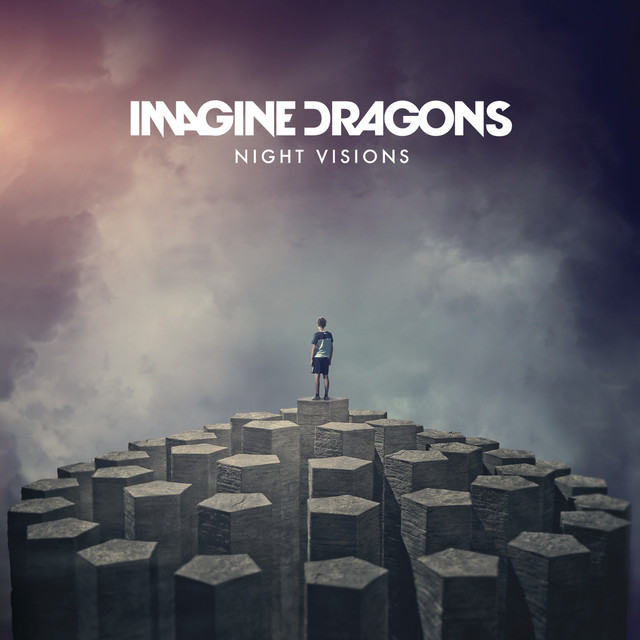
Context matters, too. Released as a single from Night Visions in 2013, the track became a major U.S. hit and a multi-platinum staple. The official video spotlights real people’s hidden battles and pays tribute to a young fan, underscoring the message that everyone carries something unseen. The cultural resonance helped cement the meaning of Demons Imagine Dragons as more than a moody pop-rock cut—it’s a mirror people choose to face.
Alternate Lenses Worth Considering
- Interpretation: A mental health reading. Many hear the lyric as a portrait of depression or anxiety—the “beast” that returns despite best efforts. The boundaries and warnings feel protective, not fatalistic.
- Interpretation: A moral struggle. Others hear a broader confession of human nature: even with good intentions, self-interest and shame intrude. Lines about being
made of greed
and about fate weigh personal agency against hardwired impulse.
Both readings fit because the language stays symbolic, not literal. The song makes room for your demon, not just theirs.
Choice, Fate, and That Final Plea
Late in the track, the narrator pits effort against destiny, echoing the tug-of-war many feel between self-help and surrender. The tension doesn’t resolve into a neat answer. That’s the point: honesty is the first step, connection the second.
The Takeaway They Leave You With
Demons doesn’t say “love me or leave me.” It says “love me, knowing me.” The power of the song is how it turns a private fear into a shared truth—and then refuses to let shame have the last word.
Disclaimer: Song meanings are interpretive by nature; details above blend reported context with critical analysis.
Sources
- https://en.wikipedia.org/wiki/Demons_(Imagine_Dragons_song)
- https://www.billboard.com/artist/imagine-dragons/chart-history/hsi/
- https://www.riaa.com/gold-platinum/?tab_active=default-award&ar=imagine+dragons&ti=demons
- https://www.mtv.com/news/8h8d3r/imagine-dragons-demons-video
- https://www.allmusic.com/album/night-visions-mw0002406760/credits