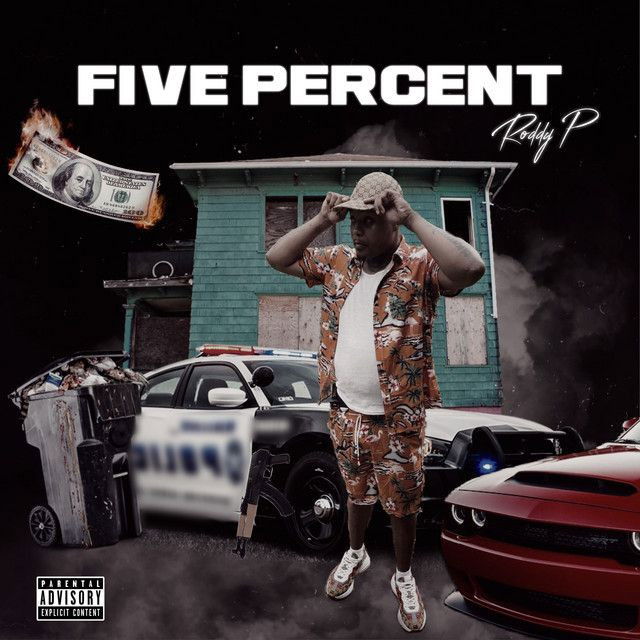
5 Percent by Roddy P
The meaning of 5 Percent Roddy P centers on concealment, retaliation, and reputation. The song uses the image of ultra-dark car windows as more than a flex. It becomes a symbol for moving unseen, staying ready, and keeping enemies guessing.
"5 Percent" - Roddy P
Five percent tint on 'em whips (whips)
Thirty some shots in 'em clips (clips)
Loading lyrics...
Unable to load lyrics
We're unable to display the lyrics at this time. Please try again later.
Rather than telling a detailed story with twists, the track builds a mood. It stacks threats, street imagery, and repeated warnings until the listener understands the world the speaker wants to project: tense, armed, and always on alert.
The Dark Tint Is the Whole Idea
At the center of the song is the repeated line about five percent tint
. Paraphrased, the speaker is saying the car is blacked out enough to hide who is inside and what they plan to do. That detail matters because it sets the tone for everything else.
Interpretation: the tint works as a symbol of both power and fear. Power, because nobody can easily read the speaker’s next move. Fear, because the whole song suggests they live in a world where being visible is dangerous.
The hook ties that image to action. When the song repeats the idea of using that car for the weekend
, it suggests a temporary mission, almost like the vehicle is part of an operation. The song is not subtle about what kind of mission they mean.

Watch the official 5 Percent
music video
Violence as Identity, Not Just Plot
A major part of the meaning of 5 Percent Roddy P is that violence is presented as identity. The lyrics are not just about one conflict. They describe a mindset where respect must be defended at all times.
Lines about disrespect we knock ya off
and letting a large number of shots off are meant to make that point clear. The speaker presents retaliation as automatic, not debated. That turns the song into a performance of readiness.
This matters because many street rap songs use conflict in two ways at once:
- as a description of danger
- as a claim to status
- as a warning to rivals
Here, those three functions blur together. The speaker wants listeners to hear them as someone whose reputation was earned early and defended constantly.
How the Verses Build a Persona
The song keeps returning to personal credibility. When the speaker says they are the one they talk about
, the point is not fame in a pop-star sense. It is notoriety. They want their name to carry weight in their environment.
The lyrics also mix sexual bragging, gang affiliation, and weapon talk into one package. That combination is common in hard-edged trap and street rap because it creates a full persona: desired, feared, and socially dominant.
Interpretation: this is less a confession than a self-made legend. The song may reflect real experiences, but its structure is built like mythmaking. Each line raises the threat level and adds to the speaker’s aura.
The Hook Repeats the Threat
The chorus is effective because it is simple. It does not explain motives in detail. Instead, it locks onto one visual and repeats it until it feels cinematic.
Five percent this bitch for the weekend,
just to walk 'em down
Paraphrased, the speaker links dark tint with pursuit. The car becomes a moving blindfold for the outside world. That gives the hook a cold, practical feeling, which is why it sticks.
Interpretation: the chorus matters because it reduces the whole song to one image: hidden motion before violence. That is the emotional center of the track.
Street Details and Motifs
The song relies on a small set of recurring motifs:
- tinted windows
- drums, clips, and firearms
- blocks, houses, and neighborhood space
- smoke as conflict
- speed, flight, and escape
These details make the song feel local and immediate. The neighborhood is not just a backdrop. It is treated like contested ground where movement itself has meaning.
The line about not shaking hands but leaving quickly also fits that pattern. It suggests distrust, urgency, and a code of survival. Even ordinary gestures are replaced with caution.
What the Sound Likely Adds
No verified production credits were provided in the available context, so any exact sonic claim should be careful. Still, the lyric writing strongly suggests a trap-influenced beat built to support menace: heavy low end, sharp drum hits, and lots of space for blunt delivery.
That matters because songs like this usually depend on repetition and rhythm as much as wording. A hard beat can turn a simple phrase into a threat. If the production is sparse, that would make the violent images feel even more exposed and direct.
Interpretation: the likely production goal is not emotional complexity. It is pressure. The beat probably acts like a vehicle for intimidation, matching the song’s theme of rolling through space with purpose.
Artist Context and a Quick Note on Credits
From the provided information, the song is credited to Roddy P, with writing by Breezy and Jarquarius Prewitt. No album, release date, or confirmed producer details were supplied in the source material here, so those points should be treated as unknown rather than guessed.
It is also worth noting that the research item about wrestler Roddy Piper is unrelated to this song and should not shape interpretation. For this article, only the lyrics and the provided writing credits help explain meaning.
Final Take on the Song’s Message
So, what is the meaning of 5 Percent Roddy P? At heart, it is a song about hiding in plain sight while projecting maximum danger. The title image of dark tint sums up the whole worldview: stay unreadable, move first, and let reputation do the talking.
The track is not aiming for vulnerability or nuance. Its power comes from pressure, repetition, and imagery that turns a car window into a symbol of control. That is why the song feels less like a diary entry and more like a warning.
Disclaimer: This interpretation is based on the lyrics provided and general rap conventions. As with any song, listeners may hear different meanings depending on context and experience.









