The Night We Met by Lord Huron
They play this song when a memory feels heavier than time. If you’re searching for the meaning of The Night We Met Lord Huron, it’s a study in regret—a plea to rewind the exact moment a love story began, so the heartbreak never happens.
"The Night We Met" - Lord Huron
Who has not repaid his debt
I've been searching for a trail to follow again
Loading lyrics...
Unable to load lyrics
We're unable to display the lyrics at this time. Please try again later.
A Memory You Can’t Rewind
The narrator speaks like someone stuck between past and present. They admit they’re not the only traveler
, so regret is universal, not just theirs. The line frames the song as a shared human debt—things we owe to people we loved but can’t repay.
They’re looking for a trail to follow
, which hints at lost direction. The wish to return to the “night we met” is not nostalgia; it’s crisis management. If they could reach that starting point, they believe they could choose differently and avoid the fracture that follows.

Watch the official The Night We Met
music video
What the Song Is Really About
At its core, the song is about the ache of hindsight. The narrator can’t find what I’m supposed to do
because grief has stalled their compass. The repeated request to go back is less about fantasy and more about control—reclaiming a decision they now see as fateful.
Interpretation: The lyrics suggest the relationship didn’t simply fade. Something happened that turned “all” into “none.” The song freezes on that pivot point and keeps replaying it, as if repetition itself might open a door back in time.
Who’s Speaking—and To Whom?
The voice is first-person, intimate, and confessional. They address a former partner, but they’re also talking to themselves, coaching themselves through the past and warning, in hindsight, against going further. The self-talk and the plea coexist, which is why the song feels both active and helpless.
When they recall the moment before intimacy—before touch, before choices—the innocence becomes a landmark. The detail that their partner’s eyes were filled with tears
paints the meeting as fragile from the start.
The Chorus as the Breaking Point
Here’s the song’s hinge, stated simply and painfully:
I had all and then most of you Some and now none of you Take me back to the night we met
This movement from “all” to “none” compresses an entire relationship into three beats. Interpretation: The chorus is not about possession; it’s about loss measured in stages. Each line steps down a rung, and the last line asks for a time machine.
Symbols and Motifs That Do the Heavy Lifting
- Travel: The traveler image makes grief feel like a journey without a map.
- Night: Darkness suggests uncertainty and fear, but also privacy—a place where memory speaks louder.
- Ghosts: Being haunted by the
ghost of you
turns absence into a presence. The loved one is gone, yet everywhere. - Debt: The moral weight of a “debt” frames the breakup as unfinished business, not just a closed chapter.
Together, these motifs keep the song from being a simple breakup track. They lift it into a story about time, fate, and the cost of choices.
How the Sound Carries the Feeling
The arrangement is sparse: gentle guitar, steady low-end, and spacious reverb. The tempo lopes like a slow waltz, giving the vocal room to linger on key words. Ben Schneider’s delivery is close to the mic, almost whispered in places, which makes the confession feel private.
As the chorus returns, the mix blooms slightly but never explodes. That restraint mirrors the narrator’s restraint—no fireworks, just the heavy pull of memory. The production’s simplicity is the point: it keeps the listener inside one moment, replayed.
Context: Why It Hit So Hard Culturally
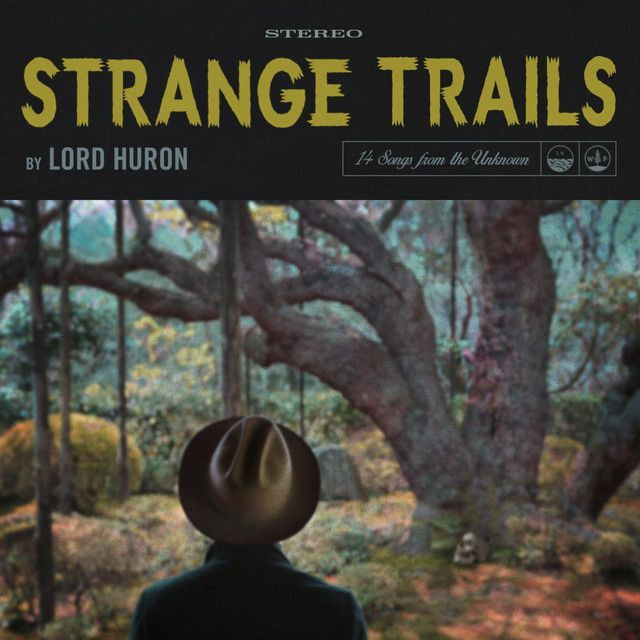
The track appears on Lord Huron’s 2015 album Strange Trails. Written by Benjamin (Ben) Schneider, it later found a second life through a major TV placement, which tied the song to scenes of grief for many listeners in the United States. That association reinforced its themes of loss and remembrance.
Still, its endurance isn’t just about exposure. The plain language and clean melody make it easy to project personal stories onto it. When the narrator says they don’t know what I’m supposed to do
, many hear their own confusion after a breakup or a death.
Alternate Readings Worth Considering
- Interpretation: Bereavement. The “ghost” language and the solemn tone suggest mourning someone who has died, not just a relationship ending.
- Interpretation: Self-blame after a breakup. The “debt” and the staircase from “all” to “none” hint at mistakes the narrator wishes they could undo.
Both readings work because the song leaves specifics open. It tells just enough to trigger the listener’s own memories.
Takeaway You Can Feel
The meaning of The Night We Met Lord Huron comes down to a simple, human wish: give me one moment back so I can make a different choice. That’s why the final plea keeps returning. It’s not about changing the past; it’s about surviving the present.
Disclaimer: Song meanings are interpretive and may reflect this writer’s reading alongside available context.








