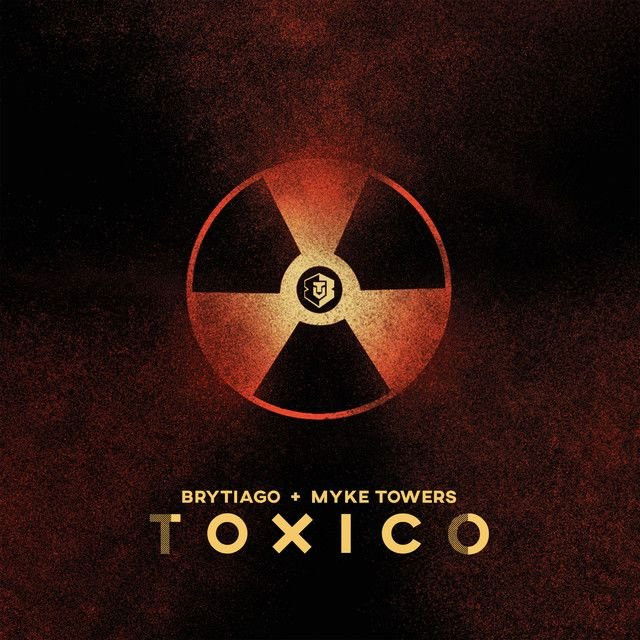
The Meaning of 'Toxico' by Brytiago & Myke Towers
They turn a breakup into a mirror. Toxico isn’t just finger‑pointing; it’s a cycle of pride, lust, and late‑night calls. This guide breaks down the meaning of Toxico Brytiago, Myke Towers for U.S. listeners—how the lyrics, symbols, and sound all say the same thing: they’re done, but not really.
"Toxico" - Brytiago, Myke Towers
Aunque te llame sí me siento solo, uh woh)
Me di cuenta que no era como pensé
Loading lyrics...
Unable to load lyrics
We're unable to display the lyrics at this time. Please try again later.
Inside the Breakup: What the Hook Confesses
At its core, the song confronts a partner who, they feel, chased status and money. The narrators harden their stance, yet admit they still reach out in lonely moments. The refrain captures that split between ego and need:
Por eso ya no te valoro Aunque te llame si me siento solo
Interpretation: the chorus declares distance while confessing habit. Saying they “don’t value” the ex is self‑protection, but the admission of calling when alone exposes the bond as toxic—resentment mixed with dependence.

Watch the official Toxico
music video
Who’s Talking, and Why They Can’t Quit
The verses use first‑person voice to chart relapse. Lines like Caí otra vez
show they know they keep slipping back. They even admit the relationship channels aren’t aligned—no estábamos en el mismo canal
—but desire overrides judgment.
They try to claim control: “from official to casual,” they reduce the ex to protect themselves emotionally. A blunt phrase like sexo y no amor
marks a boundary: if they can’t have trust, they’ll keep it physical. Yet another admission—calling only when lonely—shows the wall isn’t solid.
Clout, Chains, and ‘Snapchat’: Symbols with Bite
Material and digital images power the story. The narrator accuses the ex of chasing champagne, jewelry, and brand shine. Mentions of yachts and designer logos sketch a life where attention equals affection. The quick, casual detail Enviando Snapchat
turns a private rift into public spectacle. Social media becomes a symbol of impulsive choices—screenshots, captions, and indirects fuel mistrust.
Alcohol is another motif. Two beers—“Dos Coronas”—signal ritual: drink, remember, dial. That loop turns the night into a trigger. Luxury references (yachts, gold chains, Medusa logos) double as armor; they flex so they won’t feel small. Interpretation: clout replaces care. When love becomes a scoreboard, everyone loses.
What Actually Happens: The Toxic Loop in Steps
- They realize the relationship isn’t what they thought and feel used for status.
- They set a new rule—
me quedo solo
—choosing solitude over disrespect. - Loneliness hits, habits return, and they unlock the contact again. The cycle restarts.
- They reframe the ex from “official” to casual, trying to control the terms.
- Public posts and DMs re‑ignite conflict; pride hardens, but the phone still rings at 2 a.m.
This back‑and‑forth is the engine of the song. Every flex in the lyrics tries to smother the sting of betrayal.
Sound Design: Dembow With a Cold Glow
The production leans on a steady reggaeton dembow, softened by trap elements—808 low end, glossy plucked synths, and airy pads. The mix leaves space around the voices, so the hook feels cool and detached rather than explosive. That restraint matters: the beat doesn’t beg; it shrugs. It matches the emotional stance—hurt wrapped in swagger.
Brytiago’s melodic delivery sells the ache in the chorus, while Myke Towers adds crisp, confident bars. Their contrast builds the full picture: one voice bruised, one voice armored. Together, they sound like two stages of the same breakup—vulnerable confession and self‑defense.
Alternate Angles That Still Fit
- Interpretation: A fame filter. The song reads as what happens when a private love meets public clout. The constant shout‑outs to brands and posts show how attention floods a relationship until trust drowns.
- Interpretation: A self‑own. By admitting they still call, they expose their own role in the toxicity. The boundary is there, but thin; the phone is always within reach.
Takeaway: Pride and Habit Collide
Toxico lands because it’s honest about contradiction. They want respect and closure, but also relief and routine. The result is a catchy loop built on an emotional loop.
Written by Bryan Cancel, Edgar Wilmar Semper Vargas, Hector E Ramos, Joan Antonio Gonzalez, Jose M Reyes Diaz, Juan Carlos Gomez Santiago, Kedin Maysonet, Luian Malave, Michael Torres Monge, Orlando Jovani Cepeda Matos, Roberto Luis Figueroa, and Xavier Alexis Semper Vargas.
Disclaimer: Song meanings are interpretive. Your read may differ based on context and experience.








