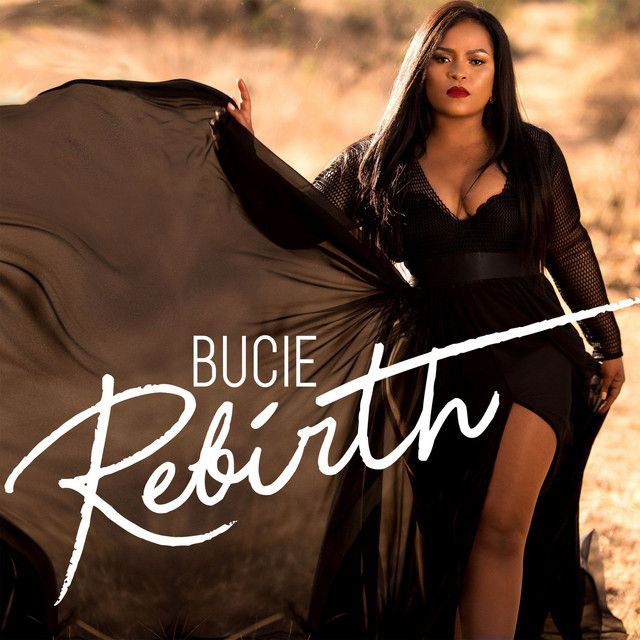
Why 'Thandolwethu' Feels Like Earned Love
The meaning of Thandolwethu Bucie, Kwesta comes down to one big idea: real love is not proven by easy moments, but by endurance. This duet presents romance as something tested by doubt, distance, pride, conflict, and public opinion. Yet instead of sounding defeated, the song keeps moving toward hope.
"Thandolwethu" - Bucie, Kwesta
We were going to far
But we went the distance you and I
Loading lyrics...
Unable to load lyrics
We're unable to display the lyrics at this time. Please try again later.
Bucie and Kwesta build that feeling through a simple but effective contrast. Other people say the relationship will fail, while the couple keeps choosing each other anyway. That tension gives the song its emotional center.
The Core Message Hiding in Plain Sight
At heart, the song is about a couple defending their bond against outside judgment and inner strain. Early on, they push back against the voices who believed they would never last. When the lyric says we went the distance
, it summarizes the whole story: survival itself becomes proof of love.
The title deepens that idea. “Thandolwethu” refers to “our love,” which makes the song feel shared from the start. This is not one person begging for attention. It is a portrait of two people trying to protect something they built together.
Interpretation: The song treats love less like a mood and more like a practice. Patience, effort, and return matter more than grand statements.

Watch the official Thandolwethu
music video
A Chorus About Direction, Not Just Desire
The chorus is the clearest key to the meaning of Thandolwethu Bucie, Kwesta. Bucie sings that their love is amazing, but she also admits they sometimes may not deserve it. That small note of humility keeps the song honest. They are not claiming perfect behavior. They are saying the relationship still has value.
The most revealing image is almost home
. In plain terms, the song compares love to navigation. Home is not just a house. It suggests rest, safety, and emotional arrival.
Love lives and love dies
Love forgives and love tries
This is the article’s only longer lyric quote, and it matters because it sums up the song’s worldview. Love is alive, fragile, active, and demanding. It can fail, but it can also repair.
Kwesta's Verse Makes the Romance Feel Lived-In
Kwesta’s writing gives the song texture. He does not describe love as fantasy. He describes it as a relationship shaped by talking, arguing, creating, and returning. When he compares the bond to art, including phrases like my paint brush
and a heartfelt song, he suggests that love helps him make meaning out of life.
That image works because art takes time. Paint has to dry. Songs have to be written. In the same way, the relationship becomes something crafted, not something instant.
He also includes tension. Their connection involves speech, reaction, and noise. That detail keeps the duet grounded. The love here is affectionate, but it is not silent or effortless.
Bucie's Lines Bring Emotional Honesty
Bucie’s sections add the song’s deepest vulnerability. She asks for conversation and clarity. She wants to know whether the couple is still defined by old pain or whether they can move forward as they are now.
That matters because it shifts the song beyond simple celebration. The lovers are not only remembering how far they have come. They are also checking whether the relationship still rests on real acceptance. In essence, she asks to be loved as a whole person, not as an idea.
Interpretation: This may be the song’s most mature point. Long-term love survives when both people feel seen in the present, not trapped in the past.
Why the Multilingual Writing Matters
The song moves across English, isiZulu, and isiXhosa phrasing. Even for listeners who do not understand every word, that blend creates warmth and closeness. It sounds local, intimate, and natural rather than polished for distance.
For U.S. listeners, that matters to the meaning of Thandolwethu Bucie, Kwesta because the emotional message still comes through clearly. The code-switching reflects how real relationships sound in everyday life: layered, personal, and culturally rooted.
The closing declaration, including ngifuna wena
, sharpens the song’s final stance. After all the uncertainty, the message becomes direct: they still choose this person.
How the Sound Supports the Lyrics
Even without pulling apart studio credits in detail, the performance style tells a lot. Bucie’s smooth vocal approach brings warmth and reassurance. Kwesta’s verse adds weight and conversational realism. Together, they create a call-and-response dynamic between comfort and confession.
The production leans into that balance. The beat feels steady rather than frantic, which fits a song about perseverance. The melody carries tenderness, while the rhythmic flow keeps the track moving forward. That motion mirrors the lyrical idea of continuing the journey despite obstacles.
In other words, the music does not just decorate the theme. It reinforces it. The song sounds like progress.
A Few Strongest Themes at Work
Several themes shape the track:
- Commitment under pressure — others doubt them, but they continue.
- Imperfect love — they admit mistakes and tension.
- Patience and growth — the relationship needs time.
- Love as guidance — affection becomes a path toward home.
- Mutual recognition — both voices matter.
These themes help explain why the song feels reassuring without becoming cheesy. It earns its optimism.
Final Take on Its Meaning
The meaning of Thandolwethu Bucie, Kwesta is that enduring love is both a refuge and a responsibility. The song honors romance, but it also respects the work required to keep it alive. That is why it lands with such warmth: it believes in love without pretending love is easy.
For many listeners, that balance is the point. The song says a relationship can be tested, imperfect, and still beautiful.
Disclaimer: This interpretation is based on the song’s lyrics and performance and should be read as informed analysis, not a confirmed statement of artist intent.








