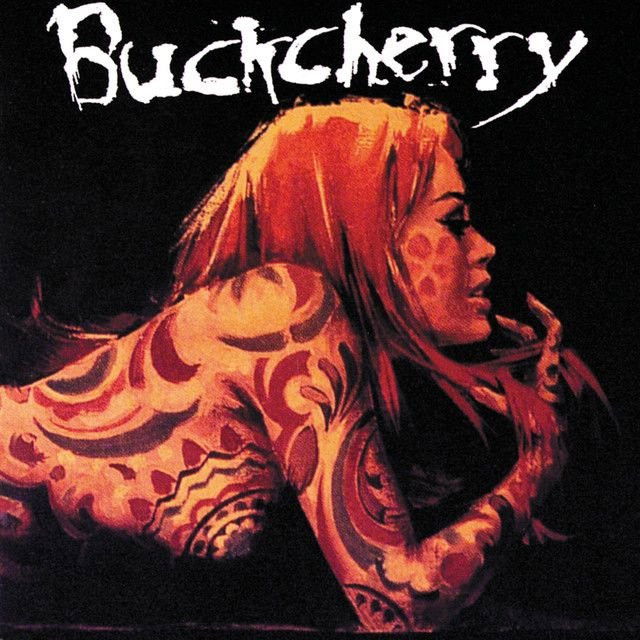
Why 'Lit Up' by Buckcherry Still Hits Hard
Buckcherry's breakthrough single is loud, flashy, and impossible to miss. But the meaning of Lit Up Buckcherry is more specific than a general party song. At its core, it is about the thrill of a cocaine high told from inside the rush, with just enough warning signs to show that the thrill is unstable.
"Lit Up" - Buckcherry
I'm on a plane with cocaine,
And yes I'm all lit up again
Loading lyrics...
Unable to load lyrics
We're unable to display the lyrics at this time. Please try again later.
The facts matter here. "Lit Up" was released in 1999 as the debut single from Buckcherry's self-titled album, and it became the band's only No. 1 on Billboard's Mainstream Rock chart. Josh Todd later said the song was about the first time he did cocaine, adding that it was fun until it was not anymore. That quote shapes how listeners hear the song: not as abstract rebellion, but as a first-person memory turned into hard rock theater.
The Hook Is Excitement With a Cost
The song's central image is obvious from the start. The narrator says they are on a plane with cocaine
and then keeps returning to being all lit up again
. Paraphrased, the song is describing intoxication as lift-off: speed, weightlessness, and confidence.
That repeated feeling is why the chorus works so well. It sounds triumphant at first, but the repetition also suggests compulsion. They are not just celebrating a moment; they are circling the same feeling again and again, unable or unwilling to leave it.
This is where the song gets smarter than it first appears. The words capture the appeal of the drug, while the structure hints at being trapped inside that appeal.

Watch the official Lit Up
music video
A Narrator Running on Rush and Denial
The voice in "Lit Up" is first person, but the article can still describe them from the outside: they sound overstimulated, proud, and reckless. Lines about travel by plane and train make the experience feel fast and cinematic, yet the motion is not healthy progress. It is disorientation.
One key detail is the moral voice in the background. The lyric nod to mama said
and sin introduces judgment and consequence. Even in the middle of the high, there is a faint reminder that somebody already warned them.
That matters because the song is not written like a balanced reflection. It is written like somebody in the moment, talking too fast, feeling too much, and brushing aside caution. Interpretation: that gap between warning and action is one of the song's main themes.
The Drug Imagery Is Blunt on Purpose
Buckcherry did not hide the subject. The song uses direct references to cocaine, craving, and people waiting for the next line. Rather than dressing addiction in poetic mystery, it presents a scene full of appetite and impulse.
A short phrase like I love the cocaine
is not subtle, but that is the point. The lyric sounds almost empty in its directness, as if the high has reduced feeling to one blunt obsession. What they can say, over and over, is what they want.
There is also social chaos around the narrator. The song brings in a curious girl, a fiending man, and a crowd-like atmosphere of shared appetite. Interpretation: Buckcherry may be showing how drug use becomes a social loop, where excitement and self-destruction feed each other.
How the Sound Sells the Meaning
Musically, "Lit Up" is built to feel like acceleration. The riff is sharp and immediate, the drums push hard, and Josh Todd's vocal delivery sounds almost breathless. That gives the record the sensation of racing ahead of itself.
Production context helps too. Steve Jones of the Sex Pistols played guitar on the track, adding extra edge to an already aggressive sound. Critics and reference sources have also noted that the riff echoes Kiss's "Shock Me," which fits Buckcherry's glam-meets-street hard rock style.
All of that matters for meaning. The song does not just describe a stimulant high; it tries to sonically recreate one. The guitars are jagged, the tempo is urgent, and the chorus lands like a burst of chemical confidence.
Why the Song Felt So Big in 1999
Part of the song's impact came from timing. In the late 1990s, Buckcherry arrived with a sleazy, back-to-basics hard rock sound that stood apart from more polished radio rock. "Lit Up" felt dangerous enough to get attention but catchy enough to become a hit.
Its controversy helped as well. MTV reportedly censored lines seen as glorifying cocaine, which only reinforced the song's outlaw image. Yet the song's long life likely comes from more than shock value. It captures a real contradiction: the rush feels alive, but the behavior underneath it is already hollowing the person out.
More Than a Party Song
The simplest reading is also the factual one: Josh Todd wrote it about his first cocaine experience. But songs often do more than their origin stories. Interpretation: "Lit Up" can also be heard as a portrait of addiction beginning, when pleasure is still louder than regret.
That is why phrases like buddy I'm on eleven
matter. They are funny and swaggering on the surface, but they also show escalation for its own sake. Nothing is enough; everything must go further.
The Lasting Takeaway
The meaning of Lit Up Buckcherry lies in that tension between thrill and damage. They present the high as exciting, immediate, and seductive, but the repetition, warnings, and chaos around the narrator keep the song from feeling innocent.
In the end, "Lit Up" lasts because it sounds like the thing it describes: fast, catchy, reckless, and a little frightening once the rush wears off.
Disclaimer: This interpretation mixes confirmed background from the song's writers with critical reading of the lyrics, sound, and imagery. Meaning can vary from listener to listener.








