Why 'My Town' Feels Like Home
Buck-O-Nine’s "My Town" sounds easygoing on the surface, but the meaning of My Town Buck‐O‐Nine goes deeper than simple local pride. The song is about the emotional safety of familiar places. Its narrator is not chasing status, drama, or escape. They are finding peace in routine, neighborhood sounds, and the feeling that home already offers enough.
"My Town" - Buck‐O‐Nine
I got the tunes in my pocket
In an old-ass Walkman
Loading lyrics...
Unable to load lyrics
We're unable to display the lyrics at this time. Please try again later.
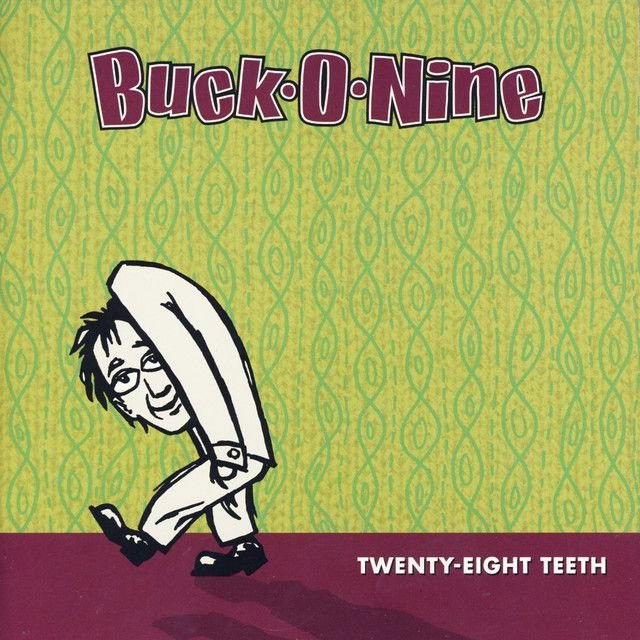
That idea helped the song connect beyond ska fans. Buck-O-Nine, formed in San Diego in 1991, broke through in the late 1990s with Twenty-Eight Teeth, and "My Town" became their best-known single, reaching No. 32 on Billboard’s Modern Rock Tracks chart, according to widely cited band history. It also gave the band broader visibility during third-wave ska’s mainstream moment.
A Small Day, A Big Feeling
The verses paint a simple day: a walkman, a trip to the beach, a drink in hand, keys in the usual place. None of this is glamorous. That is the point.
The song turns ordinary details into a kind of emotional map. When the narrator says "killin' time"
, they are not describing emptiness with panic. They are showing a life with space in it. There is no pressure to optimize every minute. Time passes, but it does not threaten them.
That feeling becomes clearer in the line about their soul being steady in their hometown. In plain terms, the song says home restores them. The daily habits may look uneventful from the outside, yet they create stability.

Watch the official My Town
music video
The Chorus Turns Place Into Peace
The chorus is the key to the song’s meaning. Its repeated focus on "my town, my street"
narrows the world down to something personal and manageable. This is not patriotism on a giant scale. It is attachment to a block, a neighborhood, and the routes someone knows by heart.
When the song says that place gives "peace of mind"
, it frames home as mental relief. That phrase matters because the verses are full of motion—walking, listening, waking up, doing it again. The chorus explains why none of that feels tiring. Familiar space makes repetition feel comforting instead of deadening.
Interpretation: The song suggests that peace does not always come from change. Sometimes it comes from being exactly where someone understands themselves best.
Beach-Town Images That Build the Mood
Buck-O-Nine use local sounds and sights to make the song feel lived-in. The ocean at night, a skateboard rolling down the street, and reggae from a nearby house all help create a coastal Southern California scene. Given the band’s San Diego roots, that setting feels especially believable.
One of the smartest parts of the lyric is how casual these images are. The narrator does not stop to explain why they matter. They just belong to the environment, the same way a hometown resident barely notices the patterns that make a place unique.
"As time ticks by""I never wonder why"
This is the article’s clearest lyrical clue. The narrator is not overthinking life. They are accepting it. That does not make the song shallow. It makes it centered. The peace comes from trust in the rhythm of daily life.
Not Laziness, but Contentment
A listener could hear the song’s low-pressure attitude and think it is about slacking off. There is some of that energy here, especially in the loose phrasing and beach-day imagery. But the deeper message is contentment, not apathy.
The repeated idea that there is "no place I'd rather be"
transforms the song. The narrator is not stuck in town because they lack imagination. They are there because it gives them emotional grounding. That is a major difference.
Interpretation: In a culture that often praises constant movement, "My Town" gently argues for staying put when a place truly feeds the spirit.
How the Sound Carries the Meaning
The music helps sell that mood. Buck-O-Nine came out of the ska-punk wave, and their sound often blends punk energy with reggae looseness and brass-driven lift. On "My Town," the bounce matters. The horns give the song brightness, while the rhythm section keeps it moving without making it feel tense.
That balance mirrors the lyric. The track is energetic, but not anxious. It is upbeat, but not desperate. The result is a song that feels social and sunny, as if the whole neighborhood is in the groove.
That sound also fits Buck-O-Nine’s broader identity. Vocalist Jon Pebsworth has spoken in later interviews about music’s grounding power, once saying, briefly, that music helped him survive a major health crisis. While that quote came years after "My Town," it supports a long-running Buck-O-Nine idea: music can hold a person together.
Why the Song Lasted
"My Town" worked in 1997 because it translated ska’s communal energy into something many listeners understood right away. It was catchy enough for radio and specific enough to feel real. The song also benefited from a video and TV exposure during the era, helping it travel beyond the local-scene crowd.
But its staying power comes from something simpler. Many songs about home are dramatic or nostalgic. "My Town" is neither. It lives in the present tense. It does not mourn the past or dream about returning someday. It says: home is happening now.
The Takeaway on Buck-O-Nine’s Message
At its heart, the meaning of My Town Buck‐O‐Nine is that peace can come from ordinary belonging. The song finds value in routine, local sound, and the comfort of being known by a place.
That is why it still feels warm and relatable. It is not just about one California town. It is about the rare relief of being somewhere that makes a person feel complete.
Disclaimer: This interpretation is based on the lyrics, the song’s musical style, and publicly available band context. As with any song, listeners may hear meanings that differ from this reading.








