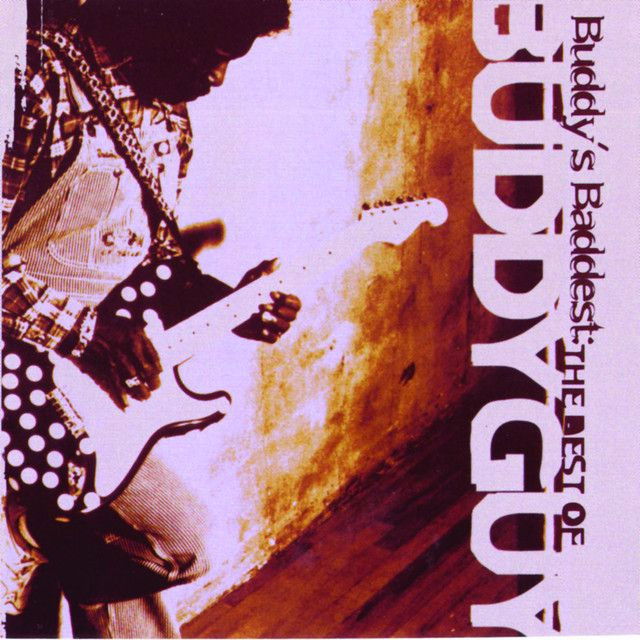
Feels Like Rain by Buddy Guy
The meaning of Feels Like Rain Buddy Guy comes down to one big idea: love arrives with the force of weather. The song turns romance into a summer storm—hot, risky, intimate, and hard to escape. Instead of treating rain as sadness, it treats rain as release. The lovers are surrounded by pressure, heat, wind, and water, and all of it mirrors what they feel inside.
"Feels Like Rain" - Buddy Guy
And in the sticky heat I feel ya' open up to me
Love comes out of nowhere baby, just like a hurricane
Loading lyrics...
Unable to load lyrics
We're unable to display the lyrics at this time. Please try again later.
Buddy Guy did not write the song; John Hiatt did. Hiatt first released it on Slow Turning in 1988, and Buddy Guy later recorded it as the title track of his 1993 album Feels Like Rain. That version features Bonnie Raitt on vocals and slide guitar, a pairing that helps explain why the song feels so lived-in and sensual.
When Romance Turns Into Weather
At the lyric level, the song places two people in a humid Southern setting where nature seems to react to their closeness. The opening image of the river meeting the sea suggests two forces coming together. That matters because the song is not about a calm, simple relationship. It is about attraction that feels fated and overwhelming.
The key line is the title phrase, feels like rain
. In plain terms, the singer is saying that desire is no longer abstract. It has become physical, surrounding them like weather. Rain here is touch, mood, danger, and relief all at once.
Interpretation: rain is a symbol for emotional surrender. The lovers stop trying to control what is happening and let themselves be changed by it.

Watch the official Feels Like Rain
music video
A Night Scene Full of Heat and Tension
The verses build a clear scene. Two people lie under the stars, but even in that calm image, the song keeps hinting that something larger is moving in. Clouds cover the moon. Wind grows louder. The night feels charged.
One especially telling moment is the mention of sticky heat
. That phrase makes the song feel Southern and physical. The weather is not just background detail; it creates the mood of closeness, sweat, and vulnerability.
Then the song compares love to a storm arriving fast, with just like a hurricane
. That image shifts the meaning. This is not gentle affection. It is the kind of connection that can shake up a life.
The clouds roll in across the moon
And the wind howls out your name
Those lines show how the outside world seems to echo the lovers' feelings. Nature almost becomes a witness, or even a third character in the song.
What Lake Pontchartrain Adds
The line about not making the bridge across Lake Pontchartrain gives the song a real place and a real choice. Songfacts notes that the Louisiana setting suits Buddy Guy, who was born in Louisiana before making his career in Chicago, and that Hiatt wrote the song with personal meaning tied to his wife. That local detail keeps the song from floating off into pure metaphor.
The bridge matters because bridges usually mean progress, crossing over, or getting somewhere safe. Here, they are not going to make it across. In simple terms, passion interrupts the plan.
Interpretation: the missed bridge suggests that emotional truth matters more than destination. The lovers choose the moment over the schedule.
The Chorus Says Stay, Don’t Run
The song’s emotional center comes late, when it asks the listener not to flee the storm. Phrases like stormy weather
and wash away the pain
turn bad weather into healing. That is the song’s smartest twist.
Usually, storms in songs mean breakup, fear, or chaos. Here, the storm brings cleansing. The message is not that love is easy. It is that real closeness may feel scary at first, yet it can still be worth staying for.
This is why the refrain keeps working. Every time the title returns, it gathers more meaning. At first rain is desire. Then it becomes risk. By the end, it also means release from old hurt.
Why Buddy Guy’s Version Hits So Hard
Buddy Guy’s recording matters because performance changes meaning. His vocal does not sound polished in a pop sense; it sounds worn, urgent, and believable. That roughness fits a song about love that arrives with force rather than neat control.
Bonnie Raitt’s guest role is just as important. According to Songfacts, she adds both vocals and slide guitar, and that slide playing gives the track a wet, gliding feel, as if notes are slipping through the air like rain itself. Their voices do not fight each other. They circle the song together, giving it the feeling of shared desire rather than a solo confession.
The production on the 1993 album was led largely by John Porter, and the arrangement keeps space around the vocal. The tempo is unhurried. The guitars ring instead of rushing. That choice lets the song breathe like thick night air before a storm.
Context Makes the Meaning Bigger
Buddy Guy released Feels Like Rain during a major comeback period. The album won the Grammy for Best Contemporary Blues Album, following the success of Damn Right, I've Got the Blues. That matters because the song fits that chapter of his career: seasoned, passionate, and confident enough to let feeling lead.
Reception also helps explain why the track lasted. It brings together blues feeling, Southern imagery, and adult romance without sounding stiff or overly literary. Even though it is a cover, Buddy Guy makes it feel personal.
The Lasting Meaning of the Song
So what is the meaning of Feels Like Rain Buddy Guy? It is a song about being overtaken by love and choosing not to resist. Its weather images show passion as something natural, dangerous, and cleansing at the same time.
Interpretation: listeners can hear it as a love song, a song about emotional healing, or both. The beauty is that it never fully separates those ideas.
In the end, the storm is not the problem. The storm is the way back to feeling alive.
Disclaimer: This interpretation blends verified song facts with critical reading of the lyrics and performance. Meaning can vary from listener to listener.








