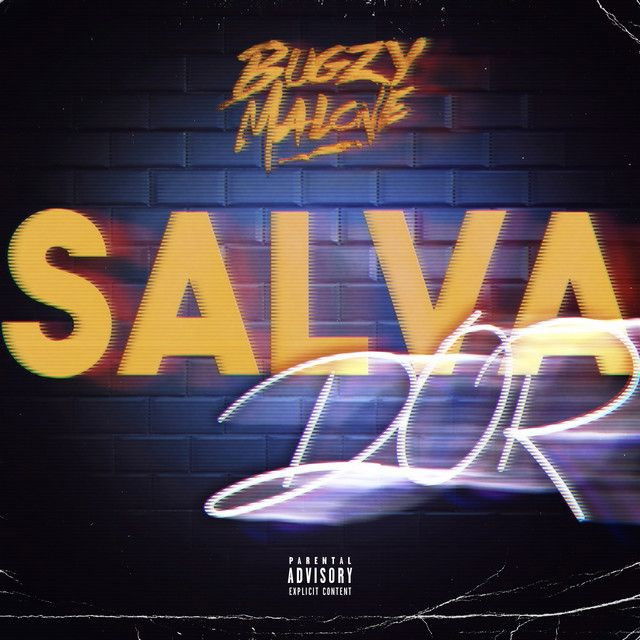
Why “Salvador” Feels Like Bugzy’s Self-Portrait
The meaning of Salvador Bugzy Malone starts with a contradiction. They open by admitting they have not yet read the Bible, but they still want to leave behind a good example. That tension drives the whole song: they are not claiming perfection, only growth.
"Salvador" - Bugzy Malone
It's Bugz
Listen
Loading lyrics...
Unable to load lyrics
We're unable to display the lyrics at this time. Please try again later.
Rather than a simple boast track, “Salvador” feels like a portrait of a person split between past and future. One side still remembers hunger, revenge, and fear. The other wants marriage, business, and legacy. That push and pull is what makes the record hit.
A Life Story Drawn in Sharp Lines
Bugzy Malone, born Aaron Daniel Davies, is a Manchester rapper widely seen as a key figure in grime’s revival and the first Manchester grime artist to reach major national success, according to publicly available career summaries. His music often deals with poverty, criminality, and emotional pressure, which matters here because “Salvador” uses all three.
The song’s title likely points to Salvador Dalí. That reading gets support when they say their voice on the mic is like Salvador sketching
. Interpretation: they are presenting the verse as visual art. Every detail is a line in a self-portrait, not just a memory dump.
That is why the song jumps so quickly between images: Paris, knives, court, restaurants, rivals, family, and luxury watches. It is not messy by accident. It mirrors how trauma and success live side by side in the same mind.

Watch the official Salvador
music video
From Survival to Stability
One of the clearest threads is the move from street survival toward adult responsibility. They describe getting engaged under the Eiffel Tower and say marriage is vital
. That moment matters because it is set against memories of carrying weapons and expecting attacks.
The contrast is strongest when they move from it was survival
to a diamond ring and public proposal. In plain terms, they are saying that the life they once lived trained them to expect danger everywhere. Now they want something lasting and honorable instead.
The chorus frames the mission
The returning lines about not yet reading scripture but still trying to set an example make the chorus sound like a confession. They know the gap between the life they lived and the life they want to model.
Interpretation: this is less about religion itself than moral urgency. They want to become the kind of man younger people can safely copy.
Street Memory Never Fully Leaves
Even while celebrating success, they cannot stop revisiting violence, police pressure, and gang conflict. The song mentions blood, kidnapping, and the fear of serious prison time. Those are not tossed in for shock. They explain why present-day wealth does not equal peace.
Bugzy’s public biography makes that history believable. Reports on his life note that he grew up in poverty, entered criminal activity young, and was imprisoned as a teenager. That background helps explain why the song sounds watchful even during its richest moments.
There is also a strange nostalgia in the middle of the record. They say I miss
old roadside routines, hidden cameras, pedal bikes, and moving with a crowd. This does not read as simple longing for crime. It sounds more like longing for intensity, belonging, and youth.
Interpretation: they miss the feeling of being needed and backed by others, even if the setting was dangerous. That makes the song emotionally complicated in a believable way.
Wealth, Power, and the Need to Prove It
Another key part of the meaning of Salvador Bugzy Malone is status. They compare childhood meals with no sauce to lobster in a designer setting. They mention watches, large properties, and business ambitions. They also picture mentoring a younger artist and helping him earn serious money.
That matters because the flexing is not random. It answers an older story of lack. Wealth becomes proof that they escaped the limits set around them.
Still, the bragging never feels carefree. Even while sounding victorious, they keep reminding listeners that they can still get dangerous if needed. The line about being able to get tekky with a rental
shows how quickly the polished image can harden.
A father-shaped gap underneath the success
One brief but important thought widens the song’s meaning. They mention a world where a person is lucky if their father shows up. Biographical summaries have noted that Bugzy did not meet his biological father in childhood, and that absence echoes here.
That detail helps explain why marriage and example matter so much in the song. They are not just building wealth. They are trying to break a pattern.
Why the Performance Matters So Much
The production feels spare and tense, leaving room for Bugzy’s trademark deep, precise delivery. Critics and profiles often highlight the clarity and force of his voice, and “Salvador” uses that strength well. The beat does not distract; it frames the bars like a dark canvas.
Because the instrumental is so controlled, every switch in emotion lands harder. A joke, a threat, a memory, and a vow can appear back to back without losing shape. That is another reason the Dalí reference works. The song sounds sketched with intention.
The Real Takeaway Behind “Salvador”
At its core, “Salvador” is about self-authorship. They refuse to erase the criminal past, but they also refuse to be trapped by it. The song turns memory into evidence: of pain, of survival, and of transformation.
So the meaning of Salvador Bugzy Malone is not just that success changed his life. It is that success did not delete the old life, and maturity means carrying both truths at once.
Disclaimer: This article offers an interpretation of the song based on the lyrics and publicly available artist context. Meanings can vary from listener to listener.








