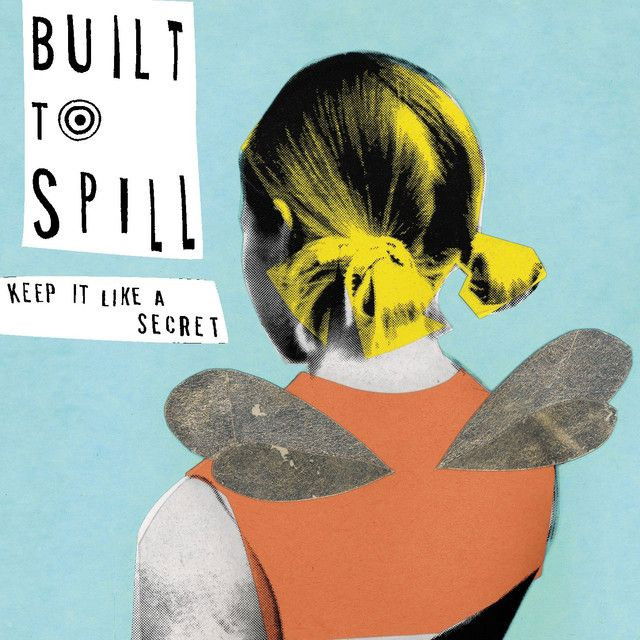
Carry the Zero by Built to Spill
Built to Spill’s “Carry the Zero” sounds warm and beautiful, but the heart of it is tense. The song circles a relationship that has been damaged by old habits, self-consciousness, and failed attempts to fix what is broken. For anyone searching for the meaning of Carry the Zero Built to Spill, the key idea is simple: they present emotional damage as a math problem that never quite balances.
"Carry the Zero" - Built to Spill
To carry that home
Took it with you
Loading lyrics...
Unable to load lyrics
We're unable to display the lyrics at this time. Please try again later.
Released in 1999 on Keep It Like a Secret, the song became one of Built to Spill’s best-known tracks. Doug Martsch wrote it, and the recording was produced by Phil Ek and the band. That context matters, because the song’s meaning is carried not just by the words, but by the way its guitars keep stretching feeling into something larger.
A Love Song About Damage That Lingers
At its core, the song speaks to someone who keeps carrying pain forward. Early on, the narrator says they are not judging that impulse, using the title image to describe emotional baggage. When the lyrics mention pieces that were found and counted, but forgot to carry a zero
, they turn heartbreak into a failed calculation.
Interpretation: the “zero” is not just a number. It suggests the missing factor that makes the whole equation make sense. In a relationship, that could be honesty, trust, perspective, or even simple emotional maturity.
The narrator sounds sympathetic, but not endlessly patient. They admit they cannot stay an apologist very long
. That line matters because it shifts the song from comfort to frustration. They care, but they are tired of defending someone who may be repeating the same pattern.

Watch the official Carry the Zero
music video
The Song’s Most Human Conflict
One of the sharpest ideas in the lyric is that insecurity can become a trap. The song describes someone so focused on what others think that they lose sight of themselves. The great middle passage builds this out in conversational language, making the thought feel painfully real instead of poetic for its own sake.
Like they're waiting for your guard to fall
So they can see it all
That brief moment captures the fear of exposure. The person in the song seems convinced other people are watching, judging, and waiting for weakness. The narrator sees how exhausting that mindset is.
Then comes one of the song’s clearest emotional judgments: you've become
what you once dismissed. The lyric ends that thought with a fraction of the sum
, another mathematical image that suggests shrinking, dividing, and losing wholeness. Instead of growing into a fuller self, this person has been reduced by anxiety and self-protection.
How the Story Unfolds Line by Line
The song does not tell a neat plot, but it does move through a clear emotional timeline:
- A wound was carried from one place to another.
- The two people tried to inspect the damage together.
- The numbers did not work, meaning the repair failed.
- The narrator grows less able to defend the other person.
- The relationship becomes so fragile they cannot even safely touch it.
That final image is devastating. By the end, they say the connection is too delicate to handle, afraid it'll fall apart
. In plain terms, even trying to talk about the damage could cause more damage.
Why the Math Metaphor Works So Well
Many breakup songs use weather, distance, or fire. Martsch uses arithmetic. That choice makes the emotion feel both detached and intimate at once. Numbers are supposed to be exact, but here they fail.
Interpretation: that failure is the point. Relationships resist clean logic. People count wrong, miss key factors, and carry old errors into new situations. The title phrase becomes a metaphor for emotional habits that continue long after the original hurt.
This also helps explain why critics have connected the song to adult insecurity. Songfacts summarizes it as a song about mistakes, missed chances, and trying to help too hard. That reading fits the closing admission: the narrator wanted to help, but may have made things worse by pushing too much.
The Guitars Explain What the Words Cannot
Part of the meaning of Carry the Zero Built to Spill comes from its sound. The track runs 5:44, giving the band room to let feeling expand. Built to Spill were Doug Martsch on guitar and vocals, Brett Nelson on bass, and Scott Plouf on drums, with Phil Ek helping shape the recording.
The arrangement starts reflective, then gradually swells. Reviewers have often noted that balance of sweetness and force. The Washington Post called it a three movements “guitar manifesto,” which is a good description of how the song keeps evolving without losing its central ache.
The guitars shimmer, then surge. That matters because the narrator is trying to stay calm and clear, yet bigger feelings keep breaking through. The instrumental rise says what the speaker cannot fully say out loud: this hurts, it has hurt for a long time, and it may not be fixable.
Why the Song Still Lasts
“Carry the Zero” remains a favorite because it refuses easy blame. The narrator is not innocent, and the other person is not a villain. The song understands how people can love each other, want to help, and still repeat the same damage.
That complexity is why it became one of Built to Spill’s signature songs and why so many indie listeners hold onto it. It is sad, but not hopeless. Tender, but not soft. It offers tough love without pretending tough love solves everything.
The Last Thing It Leaves Behind
In the end, the song is about what happens when emotional baggage becomes identity. Interpretation: they suggest that carrying hurt for too long can make a person smaller, more guarded, and harder to reach. The narrator sees that process clearly, but clarity alone cannot repair the relationship.
That is what gives the song its staying power. It turns a private argument into a bigger truth about shame, love, and the mistakes people keep transporting into the future.
Disclaimer: This interpretation is based on the released lyrics, recording, and public context. Like many Built to Spill songs, “Carry the Zero” remains open to more than one valid reading.








