Why “Hills and Valleys” Still Resonates
The meaning of Hills and Valleys Buju Banton comes through quickly: this is a song about spiritual freedom, social distrust, and the need for unity. Buju Banton does not frame liberation as something handed down by political systems or public figures. Instead, they place that hope in faith, self-knowledge, and community.
"Hills and Valleys" - Buju Banton
Oh, Lord
Ayy, woii
Loading lyrics...
Unable to load lyrics
We're unable to display the lyrics at this time. Please try again later.
That makes the song feel both personal and public. It speaks to the listener’s inner life, but it also warns them about outside forces that confuse, divide, and weaken people.
A Freedom Song Hidden in Plain Sight
At its core, “Hills and Valleys” argues that real freedom is spiritual before it is political. The repeated idea that Only Rasta can liberate
is not just a religious slogan. It sets up the whole song’s worldview: the path out of suffering begins with Rastafari, truth, and resistance to manipulation.
Buju Banton, born Mark Anthony Myrie, became one of Jamaica’s most prominent reggae and dancehall voices, and their catalog often blends social commentary with faith-based themes. Basic songwriting credits for this track are commonly given to Mark Anthony Myrie and Donovan Germain, reflecting Buju’s close creative ties to Germain’s reggae production world.
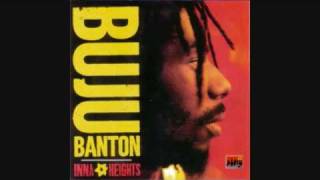
Watch the official Hills and Valleys
music video
The Chorus Turns Warning Into Mission
The chorus is simple, but its simplicity is the point. When the song repeats Don’t let dem fool you
, it sounds less like a single warning and more like a survival rule.
In plain terms, the song says that oppressive forces often pretend to care while acting against the people’s interests. The follow-up thought, they are with you
, is treated with deep suspicion. Buju suggests that false allies are sometimes more dangerous than open enemies because they work through confusion, false comfort, and distraction.
Interpretation: This is one reason the song still lands today. Its language is broad enough to apply to politics, media, street influence, or any system that asks for trust without offering real care.
What the Verses Add to the Message
The verses widen the song beyond religion. Buju asks why others try to make them unhappy, then answers with a bleak idea: if those hostile forces had full control, ordinary people would lose beauty, peace, and even basic joy.
That is why the line about never seeing the sun nor the snow
matters. It is a compact image of a life stripped of wonder. The song is not just about power; it is about what power steals from everyday human experience.
Then the focus shifts toward repair. Buju praises a kind of inward spiritual bond, then celebrates brothers and sisters caring for each other. That movement is important. The song does not stop at diagnosis. It offers a cure: solidarity, reflection, and moral discipline.
Drugs, Arrogance, and Lost Direction
One of the strongest sections warns that Hard drugs won’t do
. Buju does not present drug use as just an individual mistake. They connect it to wider systems of control, suggesting destructive habits can make people easier to exploit.
The next contrast—arrogance versus ignorance—is also sharp. The song implies that social collapse is not only caused by what people do not know. It can also come from pride, ego, and the refusal to learn. Many people, Buju says in effect, move through life sad and disconnected because they have lost touch with purpose.
This part deepens the meaning of Hills and Valleys Buju Banton by showing that liberation is not abstract. It requires choices: reject self-destruction, reject division, and take time to reflect on life’s cycles.
Why “Home” Matters So Much
Later, the repeated desire to go home a we yard
adds another emotional layer. On one level, it sounds literal: a wish to return home. On another, it feels spiritual—a longing to return to belonging, identity, and peace.
Interpretation: “Home” can be heard in at least two ways:
- a physical homeland or community
- a spiritual state of alignment with Jah and with the self
That ambiguity gives the song much of its power. It speaks to exile, displacement, and inner restlessness all at once.
How the Music Supports the Lyrics
Musically, the song uses reggae’s steady pulse to make the message feel grounded rather than chaotic. The groove is patient, the repetition is deliberate, and the vocal delivery gives the refrain a chant-like force.
That matters because the production does not distract from the message. Instead, it reinforces it. The warm rhythm section and recurring chorus create a communal feeling, almost like a gathering where the same truth is spoken until it sticks.
“Only Rasta can liberate the people
Over hills and valleys too”
Even in this brief refrain, the rise and repetition help the song travel beyond a single person’s complaint. It becomes collective, almost devotional.
A Song About Community, Not Just Conflict
What keeps “Hills and Valleys” from becoming only a protest song is its compassion. Buju does not just condemn deception. They also imagine a better social order, one where people are looking out for one another
.
That idea is the moral center of the song. Faith matters here, but so does behavior. The track insists that spiritual truth should produce practical care: less tearing down, more mutual protection.
The Lasting Meaning
The meaning of Hills and Valleys Buju Banton is ultimately about liberation through faith, clarity, and communal responsibility. It warns listeners against false guidance while calling them back to reflection, unity, and a deeper source of freedom.
For U.S. listeners, the song still feels relevant because its warning about manipulation is timeless, and its answer—community rooted in belief—remains powerful.
Disclaimer: This interpretation is based on the lyrics, performance, and Buju Banton’s broader artistic themes. As with any song, listeners may hear additional meanings.








