Why ‘You’re Everything’ Is Bun B’s Love Letter
The meaning of You're Everything Bun B starts with a simple idea: this is not a romance song in the usual sense. It borrows the language of devotion, then redirects that feeling toward the American South. Through car culture, neighborhood detail, grief, and regional roll call, Bun B and his guests treat the South like a beloved force that shaped them.
"You're Everything" - Bun B
It made me the G I am today, made me the hustler I am today
The grinder, the baller, the gangster I am today man
Loading lyrics...
Unable to load lyrics
We're unable to display the lyrics at this time. Please try again later.
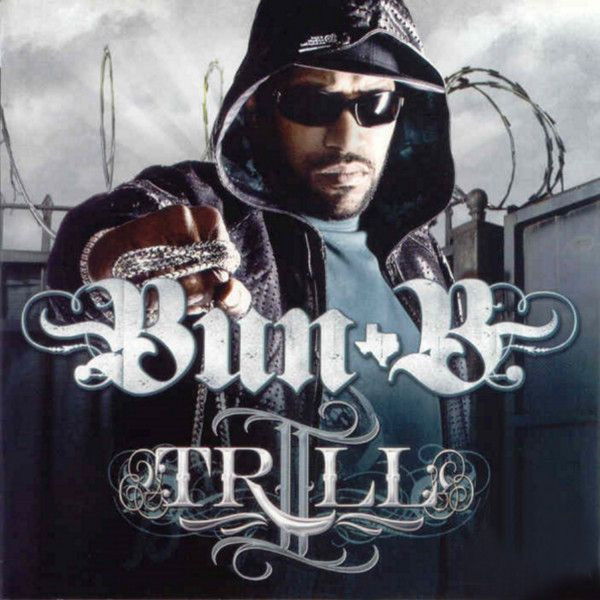
The song appears on Return of the Trill, Bun B’s 2018 album, a project he described as a way of getting “back into the thick of it” and restoring the original meaning of “trill” as honesty and self-knowledge, not empty posturing (Billboard). That context matters, because “You’re Everything” sounds like a mission statement as much as a celebration.
A Chorus That Changes the Whole Song
At first listen, the hook sounds romantic. The repeated line You're everything I knew
suggests total surrender. But the verses make clear that the “you” is the South itself: its style, speech, codes, pain, and pride.
This is the song’s central move. It takes a familiar soul chorus and reframes it as regional loyalty. That makes the track feel bigger than bragging. Instead of saying the South is cool, the song says the South is identity.
Do what you want me toGet on my knees for youWhat else is there to do
Those lines are not presented as literal submission to a person. Interpretation: they sound more like a dramatic vow of allegiance, showing how deeply the artists feel claimed by the place that raised them.
Watch the official You're Everything
music video
Southern Detail as Identity, Not Decoration
One reason the song lands is how specific it is. Bun B piles up concrete images: candy paint
, custom wheels, stitched interiors, loud bass, white tees, Dickies, and neighborhood habits. These are not random props. They build a lived-in portrait of Southern street culture.
That detail matters because the song answers outsiders who dismiss the region as shallow or flashy. Bun B opens with open defiance, insisting the South has been here and is not going anywhere. From there, every image becomes evidence. The music, cars, clothes, and slang are shown as a full cultural system.
Interpretation: the flexing is defensive as well as celebratory. When he describes style so carefully, they are claiming authority over a culture that has often been mocked, copied, or misunderstood.
Pride Mixed With Pressure
The song is not all victory laps. Bun B also ties Southern pride to hustling, danger, and survival. There are references to street economies, weapons, police attention, and constant suspicion. That gives the song tension.
Even the glamorous images carry weight. The cars are beautiful, but they also move through a world full of envy and surveillance. The success is real, yet the verses suggest it must be guarded.
This fits Bun B’s larger role on Return of the Trill. In interviews around the album, he positioned himself as an elder speaking on what others might avoid, and as someone protecting the meaning of Southern authenticity (Billboard). “You’re Everything” does that through lifestyle writing, but it never forgets the pressure around that lifestyle.
Grief Sits Inside the Celebration
A key emotional turn comes when the song touches loss. Bun B references Pimp C and speaks from the long shadow of UGK. That matters because Bun B’s career is inseparable from UGK’s legacy, and Pimp C’s death in 2007 remains one of the defining losses in Southern rap history (Billboard).
When the verse notes that Pimp’s death hurt, the song briefly drops the triumphal tone. Suddenly, the South is not just a scene to celebrate. It is also memory, mourning, and responsibility. Bun B is not only praising where he is from; they are carrying what was lost there.
That emotional layer deepens the hook. If the South is “everything,” that includes the pain attached to it.
The Roll Call Makes the Point Explicit
Later, the song names major Southern artists and institutions across Texas, Georgia, Tennessee, Louisiana, and beyond. This section works like a map. It reminds listeners that “the South” is not one city or one sound.
The list also makes a political point about unity. The artists are different, but they represent shared roots. The verse eventually narrows that shared code into a simple order: faith, family, then money. Whether listeners agree with that ranking or not, it shows the values the song wants to center.
Interpretation: this roll call is Bun B’s answer to old debates about Southern rap’s legitimacy. Instead of begging for approval, the song documents a whole ecosystem of influence.
Why the Sound Matters So Much
Production-wise, the song leans on a smooth, sample-driven hook and a slow, heavy groove. That blend is important. The soft chorus gives the track warmth and longing, while the drums and low end keep it planted in Southern rap tradition.
The contrast mirrors the lyrics. The verses are hard-edged and regional; the chorus is vulnerable and almost tender. Together, they turn pride into devotion.
That choice also reflects Bun B’s broader artistic aim on Return of the Trill: to reconnect with the sound and themes listeners associate with him while still speaking as a veteran voice in hip-hop (Billboard). The beat does not just support the message; it embodies it.
The Real Meaning of “You’re Everything”
So, what is the meaning of You're Everything Bun B? At its core, the song says the South is not a backdrop. It is a first love, a code of conduct, a source of pain, and a permanent home. The artists use devotion language to show that regional identity can feel as intense as romance.
The song also argues that Southern culture deserves to define itself. Through vivid detail, grief, and unity, Bun B frames the South as something earned, defended, and cherished.
In that sense, “You’re Everything” is both tribute and testimony. It loves the South in public, but it also explains why that love had to be said so loudly.
Disclaimer: This interpretation is based on the lyrics, performance, and available artist context. Like all song analysis, some meanings remain open to listener interpretation.








