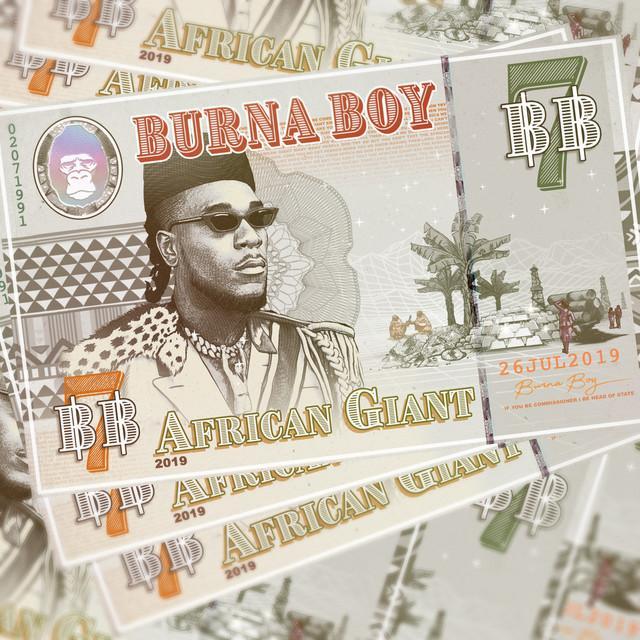
Why 'Gbona' Feels Like Burna Boy in Full Power
Burna Boy’s “Gbona” sounds loose and playful on first listen, but the meaning of Gbona Burna Boy goes deeper than a simple dance record. They build a song about heat, command, and the kind of charisma that makes a room react before anyone can explain why.
"Gbona" - Burna Boy
(It's Kel P Vibes)
Jeun soke o, them go dey jeun soke o
Loading lyrics...
Unable to load lyrics
We're unable to display the lyrics at this time. Please try again later.
Released in 2018 as a single from Outside, the track arrived during a key stretch in Burna Boy’s rise and was written by Damini Ogulu and Kevin Peters, with production credited to Kel P. Those facts help frame the song: it comes from a moment when Burna Boy was sharpening the mix of Afro-fusion groove, swagger, and streetwise humor that would define his global breakout.
The Real Message Hiding Inside the Groove
At its core, “Gbona” is about presence. Burna Boy is not telling a detailed story with a beginning and end. Instead, they create a feeling: when the music hits, people move; when they step in, attention follows; when doubters speak, they look small next to that energy.
One of the key ideas is physical impact. The song says the beat can enter body
, which is less about literal movement than emotional takeover. Burna Boy suggests that music is not just heard. It is felt, absorbed, and acted out through dance.
The chorus then ties that body response to personal power. When they repeat mo Gbona feli
, the idea is that Burna Boy is “hot” or on fire. That heat works on two levels: they are talking about the song’s temperature on the dance floor, and they are also boasting about being in top form.
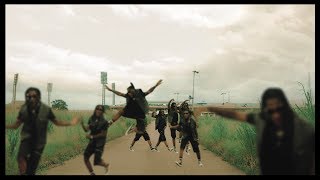
Watch the official Gbona
music video
A Dance Song With an Edge
What keeps “Gbona” interesting is that it never stays purely celebratory. Burna Boy mixes joy with mockery. They invite movement, but they also take shots at people they see as fake, weak, or jealous.
The sharpest example is the line about someone who has no money yet wants to call police
. Paraphrased, the target is a person who lacks real standing but still tries to use force or social power to seem important. Burna Boy’s response is laughter, not fear.
Interpretation: this contrast matters. The song sets true influence against empty authority. In Burna Boy’s world, real power comes from magnetism, music, and earned status—not from bluffing.
How the Verses Build Their Character
Rather than offering one clean narrative, the verses sketch Burna Boy’s persona in flashes. They sound unruly, confident, and slightly amused by people who do not understand them.
When they say others think I dey craze
, the point is not instability in a serious sense. It reads more like an embrace of wildness, originality, and refusal to act “normal” for anyone’s comfort. Burna Boy turns criticism into evidence of uniqueness.
They also stress experience. By saying they are not a newcomer, Burna Boy pushes back against anyone who might treat their success as luck. The song presents success as something already proven, already visible, and impossible to deny once the music starts working on the crowd.
The Sound Is Part of the Meaning
“Gbona” works because its production carries the same message as the lyrics. Kel P gives the track a bouncing, percussive structure with roomy drums and a hypnotic pulse. Instead of feeling overcrowded, the beat leaves space for Burna Boy’s voice to swing between chant, tease, and command.
That matters because the song is about control without strain. Burna Boy does not sound like they are fighting for attention. They sound like attention naturally bends toward them. The repeated phrases, call-and-response feel, and rolling rhythm create a kind of group trance.
Even the playful vocal sounds and ad-libs add to that mood. The song feels communal, but Burna Boy remains clearly at the center of it. Everyone may be dancing, yet the track never forgets who set the temperature.
Why Repetition Matters Here
Some listeners may notice how much “Gbona” repeats itself. That is not a weakness. It is the method.
The hook keeps returning to movement, heat, and reaction because the song wants to behave like a ritual on the dance floor. Burna Boy is not trying to explain every thought in detail. They are trying to lock listeners into a shared rhythm until the message becomes physical.
When the gbedu dey enter body
all the gyal dem go shake their body
That brief moment captures the whole design: music enters, bodies answer, and Burna Boy becomes the one directing the exchange.
A Few Cultural Clues Behind the Lyrics
Part of the song’s appeal comes from Burna Boy’s use of Nigerian Pidgin and Yoruba-inflected phrasing. Even if every listener does not catch each phrase on first listen, the emotional meaning still lands through delivery and rhythm.
Words like gbedu
point to the beat or jam itself, while repeated sounds and comic phrases create a playful teasing style. For U.S. listeners, that can be one reason the track feels so alive: meaning comes through language, but also through tone, flow, and social attitude.
So What Does “Gbona” Finally Mean?
The meaning of Gbona Burna Boy is best understood as a statement of living heat. Burna Boy presents music as proof of identity. If the crowd moves, if critics look foolish, if rivals cannot match the vibe, then the point has already been made.
Interpretation: beneath the bravado, “Gbona” is about self-belief. Burna Boy acts like someone who knows that the strongest answer to doubt is not argument. It is impact.
That is why the song still works so well. It is fun, but it is also strategic. It turns rhythm into reputation and dance into evidence.
Disclaimer: This interpretation is based on the lyrics, performance, and known context around the song. As with any art, listeners may hear different meanings in it.








