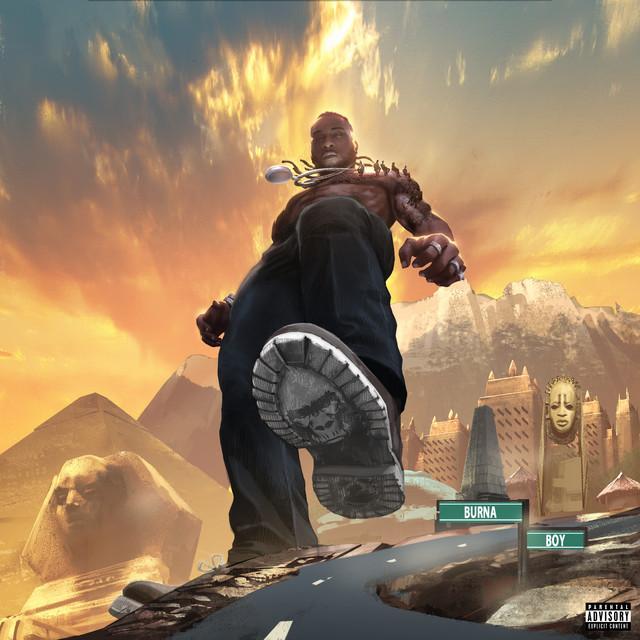
Onyeka (Baby) by Burna Boy
A Sweet Song With a Nervous Edge
The meaning of Onyeka (Baby) Burna Boy is not just simple romance. On the surface, the song sounds like a bright, playful love track. But underneath the bounce, it shows a speaker who is deeply attracted, slightly suspicious, and trying not to lose control.
"Onyeka (Baby)" - Burna Boy
Hmm hmhm hm eh hmm hmhm hm ha ra
Hmm hmhm hm eh hmm hmhm hm eh
Loading lyrics...
Unable to load lyrics
We're unable to display the lyrics at this time. Please try again later.
“Onyeka (Baby)” appears on Burna Boy’s 2020 album Twice as Tall, a record that helped expand his global reach and later won Best Global Music Album at the 2021 Grammy Awards. The song was written by Damini Ebunoluwa Ogulu and Stephen Alli Odunayo. Even without heavy drama, it fits Burna Boy’s gift for mixing swagger, humor, and emotional tension.

Watch the official Onyeka (Baby)
music video
What the Song Is Really About
At its core, the song is about desire mixed with caution. The speaker is drawn to one woman so strongly that they imagine a future with her, but they also worry about being fooled, replaced, or embarrassed.
That push and pull is clear in the chorus. They call her my baby
, which sounds warm and possessive. But almost right after that, they admit they are still study your case
. In plain terms, they are not fully relaxed. They want love, but they are also checking for danger signs.
Interpretation: This is what gives the song its charm. It is not pure confidence. It is confidence with anxiety hiding inside it.
Why the Onyeka Onwenu Reference Matters
One of the smartest lines is the mention of Onyeka Onwenu
. That is a cultural reference to the Nigerian singer, actress, and public figure Onyeka Onwenu, who is widely respected. Burna Boy uses her name as a compliment, giving the woman in the song a sense of class, beauty, and cultural weight.
He also sings Osondi Owendi
, a phrase strongly associated with Onwenu’s classic song of the same name. That phrase can suggest difference or mismatch depending on context. In this song, it adds a layer of playful irony: the singer is praising the woman, but the phrase also hints that love is not always smooth or equal.
For listeners in the United States, this may sound like a catchy hook first and a reference second. For many Nigerian listeners, though, it carries extra meaning because it links desire to memory, status, and local musical history.
The Story Moving Through the Verses
The verses show a speaker caught between devotion and social chaos. They seem serious about one woman, yet rumors and distractions keep appearing.
A key moment comes when they ask if the whole thing is a set up
. That phrase changes the mood. Suddenly, the song is not only flirtatious. It becomes defensive too. They wonder if the romance is genuine or if they are walking into trouble.
Then Burna Boy adds names, gossip, and confusion about other women. These details make the relationship feel public, messy, and human. Instead of sounding like a perfect love story, the song sounds like dating in real life: attraction, jealousy, side talk, and misunderstandings.
There is also a possessive streak. The singer promises support and imagines long-term commitment, even calling the woman a future mother of his child. That sounds loving, but it also shows how quickly desire becomes fantasy.
If you leave meI go craze
Those short lines are exaggerated and dramatic. They likely are not meant as literal danger. Instead, they show emotional dependence in a playful, hyperbolic Afrobeats style.
How the Sound Sells the Message
Production matters a lot to the meaning of Onyeka (Baby) Burna Boy. The track moves with a light, rolling groove that keeps the mood fun even when the lyrics get uneasy. The beat leans on Afrobeats rhythm, soft percussion, and melodic repetition rather than heavy emotional production.
That contrast is important. If the same lyrics sat over a darker instrumental, they might sound controlling or desperate. Here, the music softens everything. Burna Boy’s voice slides between singing and rhythmic phrasing, making the attraction feel casual, teasing, and alive.
The repeated vocal patterns at the start and throughout the song also work like hypnosis. They pull listeners into a dreamy space before the words even land. That makes the singer’s fixation feel musical as well as emotional.
Love, Money, and Status in the Lyrics
Another layer in the song is material care. When the singer says they put something in her account, the point is not just generosity. It shows a version of modern romance where affection, provision, and status mix together.
In Burna Boy’s music, power often appears beside tenderness. Here, they want to impress, protect, and keep the woman close. That can read as sincere affection, but it can also sound like love expressed through resources and display.
Interpretation: The song may be suggesting that romance in this world is never only emotional. It is also social. Attention, money, beauty, and reputation all shape the relationship.
The Best Way to Read the Chorus
The chorus works because it blends praise with fear. The woman is admired, idealized, and desired. At the same time, the singer is trying not to make a wrong move.
That is why the hook stays memorable. It is not simply “I want you.” It is closer to: I want you badly, I think you are special, and I know this could go wrong.
In that sense, the song is classic Burna Boy. He rarely sounds one-note. Even in a lighter track, they leave room for ego, vulnerability, and local cultural texture.
Final Take on Burna Boy’s Romantic Puzzle
The meaning of Onyeka (Baby) Burna Boy is a mix of flirtation, admiration, insecurity, and cultural pride. It turns a catchy love song into something more layered: a portrait of someone trying to enjoy romance while guarding their heart.
That balance is what makes the song stick. It dances, jokes, boasts, and worries all at once.
Disclaimer: This interpretation is based on the lyrics, performance, and public context around the song. As with any art, listeners may hear different meanings.







