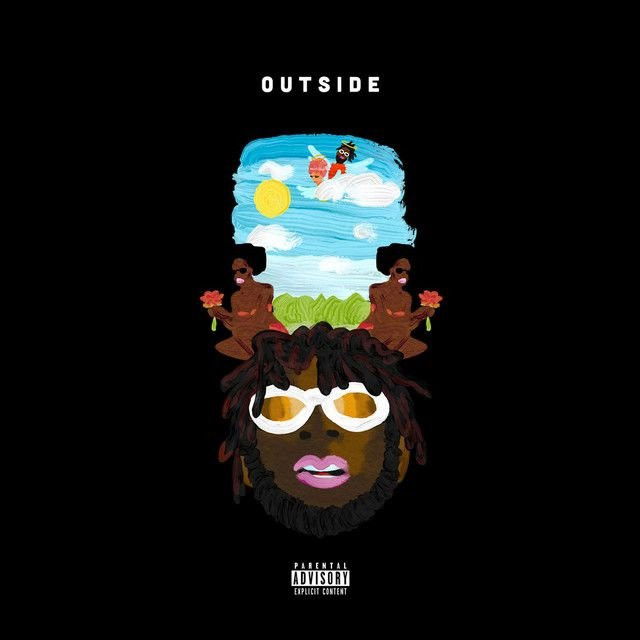
Streets of Africa by Burna Boy
Why This Song Feels Bigger Than Bragging
The meaning of Streets of Africa Burna Boy starts with a simple idea: joy can come from identity. On the surface, the song sounds like a victory lap full of charm, jokes, and flexes. But under that swagger, Burna Boy frames African streets not as a limitation, but as the source of his style, confidence, and mindset.
"Streets of Africa" - Burna Boy
I'm from the streets of Africa
If you put speakers in my mind
Loading lyrics...
Unable to load lyrics
We're unable to display the lyrics at this time. Please try again later.
Released on Outside in 2018, the track arrived at a key point in Burna Boy’s rise. By then, they were already known in Nigeria, but this period helped push them toward the global run that later included African Giant and Grammy success. That context matters: the song sounds like an artist turning local identity into worldwide self-belief.
Watch the official Streets of Africa
music video
The Core Message: Happiness as Cultural Confidence
The hook keeps returning to happy all day
and streets of Africa
. Paraphrased, Burna Boy is saying that their background gives them a natural reason to feel good. That does not mean life is easy. It means pride survives hard conditions.
This is why one of the smartest lines in the song says that even without money, a friend will still cover the bar. The idea is not wealth. It is community. Burna Boy describes a world where spirit, friendship, and reputation matter as much as cash.
Interpretation: The chorus turns happiness into resistance. Instead of treating Africa as a place to escape, the song treats it as the engine of cool, rhythm, and emotional endurance.
Verse Energy: Humor, Ego, and Survival
A lot of the verses are built from brags. Burna Boy boasts about jewelry, charisma, women, and the effect they have when they enter a room. Those details can sound playful or exaggerated, but they connect to the song’s bigger theme.
The flexing says: they are not ashamed of where they come from. In fact, that background made them sharper. When Burna Boy says refrigerate my flow
, they are joking about keeping their style cold in a hot climate. It is a clever image, and it also shows how place shapes language.
There is also a line about being called Oluwa Burna
. In context, it works like a myth-making nickname. Burna Boy is building a larger-than-life version of selfhood, one tied to homegrown respect and spiritual aura.
A Chorus That Sounds Like a Crowd
One reason the song lands so well is its communal feel. The melody is easy to chant, and the repeated refrain gives it the energy of a street anthem rather than a private diary entry. Even listeners who do not know every line can follow the emotional point.
How can I not be happy all day
I'm from the streets of Africa
That short refrain acts like the song’s mission statement. It is plain, memorable, and proud. Instead of making a complex argument, Burna Boy uses repetition to make identity feel instinctive.
African Pride Without a Lecture
Burna Boy often gets discussed as an artist with Pan-African themes and a strong sense of heritage, a point noted in summaries of their career and activism on Wikipedia. “Streets of Africa” is not as openly political as songs like “Another Story,” but it still matters in that broader arc.
The song refuses pity. That is important. In many Western media stories, Africa is framed through hardship first. Burna Boy flips that script by centering delight, heat, movement, and self-possession. They present African streets as a place of flavor and authority.
Interpretation: This is part of why the song feels bigger than a party record. Its celebration has a corrective edge. It says that pride itself is a way of rewriting the story.
Sound, Rhythm, and Delivery
The production supports that message. Burna Boy’s music is often described as Afro-fusion, blending Afrobeats, dancehall, reggae, hip-hop, and pop. Here, the beat feels light on its feet but firm in its groove. There is bounce in the drums, room in the arrangement, and a hook built to loop in the listener’s head.
The warm rhythm section gives the song a street-party feel. Burna Boy’s vocal approach matters too: they sing and half-chant with relaxed authority. Even when the lyrics get boastful or chaotic, the delivery stays controlled. That calm control makes the confidence believable.
The repeated vocal sounds near the end almost work like a crowd chant. They reduce language to mood, which fits the song’s point: sometimes pride is felt in the body before it is explained in words.
The Fela Reference and Artistic Lineage
When Burna Boy says Fela Kuti
, they are doing more than name-dropping. Fela is one of Nigeria’s most important musical figures, and Burna Boy has often been linked to that legacy through family history and influence. Mentioning Fela places this song in a line of African artists who treat music as identity, attitude, and public presence.
That does not mean “Streets of Africa” is trying to be a protest song. It means Burna Boy uses lineage as added weight. They are saying they belong to a tradition of bold African expression.
Final Take on the Song’s Meaning
The meaning of Streets of Africa Burna Boy is a mix of pride, playfulness, and self-invention. Burna Boy turns hometown energy into a full worldview: stay cool, stay loud, and never apologize for where you come from.
At its best, the song argues that happiness is not denial. It is memory, rhythm, friendship, and confidence carried out into the world. That is why the track still works: beneath the swagger, it is really about belonging.
Disclaimer: This interpretation blends lyrical analysis with cultural context and should be read as informed opinion rather than a definitive statement of the artist’s intent.








