Why 'I Don't Mind' Feels So Unsettling
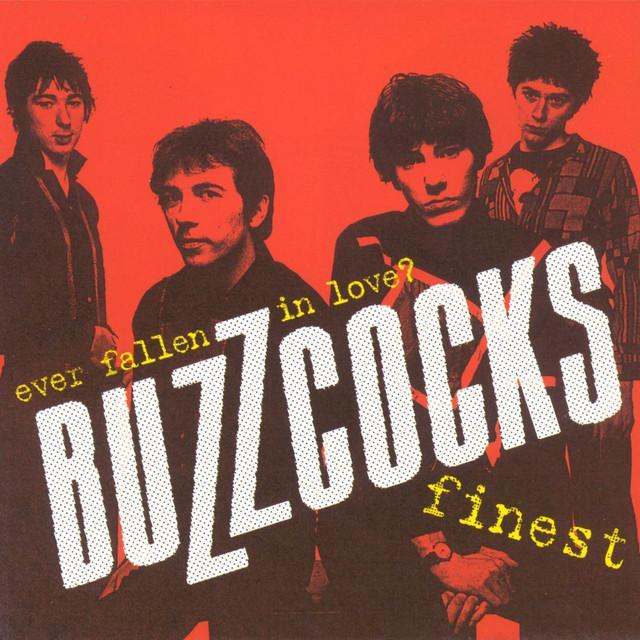
The meaning of I Don't Mind Buzzcocks comes from a sharp contrast: the song sounds brisk and catchy, but the words are full of doubt. Buzzcocks were one of punk's most emotionally direct bands, and this track shows why. Written by Pete Shelley, it turns romantic uncertainty into something nervous, funny, and painful at the same time.
"I Don't Mind" - Buzzcocks
A game in which I seem to never find out just what I am
I don't know if I'm an actor or ham
Loading lyrics...
Unable to load lyrics
We're unable to display the lyrics at this time. Please try again later.
Rather than making a clean breakup statement, the song follows someone who no longer trusts their own reading of the relationship. They keep circling the same questions: Is the other person cold, or are they imagining it? Are they being mocked, or are they simply insecure? That tension is what gives the song its bite.
A Love Song Built on Self-Doubt
At its core, the song is about emotional confusion. The singer does not just doubt the other person; they doubt themselves. Early lines suggest that reality feels slippery, summed up in the phrase Reality's a dream
. That is not a fantasy image so much as a warning that nothing feels stable.
They even question who they are, joking about being an actor, a fraud, or something in between. This matters because the romance in the song is tied to identity. If they cannot tell what is real in themselves, they are even less able to judge what is real in someone else.
Interpretation: the title phrase I don't mind
sounds defensive, not relaxed. It feels like a shield they use when hurt is easier to deny than to confront.

Watch the official I Don't Mind
music video
The Relationship at the Center of the Song
The plot is simple, but the emotions are messy. The singer believes the other person may not care, yet they stay attached. They admit they once wagered on the idea that this person was indifferent, but that certainty keeps falling apart.
This is why one of the song's strongest ideas is not anger but hesitation. Even when they suspect disrespect, they cannot fully commit to that view. The line about a pathetic clown
makes that plain: they see their own behavior as humiliating, but they still remain in the situation.
How the Doubt Keeps Growing
The song moves through a pattern:
- They question reality.
- They question the partner's motives.
- They question their own judgment.
- They return to the relationship anyway.
That loop gives the song its emotional shape. Instead of building toward clarity, it builds toward obsession.
Small Phrases, Big Meanings
Buzzcocks were experts at compressing feelings into a few words. Here, phrases like lost without a clue
and putting me down
do a lot of work. They show that the problem is not one dramatic betrayal. It is the slow wear of uncertainty.
The phone call and going-out details are especially effective because they are ordinary. Nothing huge happens. Still, the singer reads hostility into everyday contact and starts to wonder if all of it is in my head
. That question lands hard because the song never fully answers it.
And if it's true
this pathetic clown'll keep hanging around
Those lines capture the song's most painful idea: even if the worst fear is correct, they may stay anyway. That is not confidence. It is dependency mixed with self-awareness.
Why the Music Makes the Meaning Hit Harder
Buzzcocks emerged from the first wave of British punk in Manchester, with Pete Shelley and Howard Devoto founding the band in 1976, and Shelley later becoming the group's main melodic voice after Devoto left. Basic band history is widely documented in sources such as Encyclopaedia Britannica and The Guardian.
What makes this song effective is how it pairs anxious words with fast, clean momentum. The guitars push forward, the rhythm section keeps things tight, and Shelley's vocal delivery sounds alert rather than crushed. That combination matters. The music does not wallow; it races.
Interpretation: that speed mirrors an overactive mind. The singer is not sitting calmly with their feelings. They are trapped in a mental spin, trying to decode every sign.
This blend of punk energy and pop craft is central to Buzzcocks' reputation. Critics have long noted the band's gift for marrying hooky songwriting to intimate emotional themes, something reflected in retrospectives from outlets like Pitchfork and BBC.
Two Strong Ways to Read the Song
Reading One: A Portrait of Romantic Insecurity
The most direct reading is that the song is about a shaky relationship. The singer senses criticism and distance everywhere, but they remain attached enough to excuse it. In this view, the refrain is a survival tactic: if they act unbothered, maybe they can avoid rejection.
Reading Two: A Crisis of Identity
There is also a broader reading. Because the song opens with questions about reality, performance, and fraudulence, it can sound like more than a love song. It may also describe someone unsure of their own selfhood, using a relationship as the stage where that uncertainty gets exposed.
Both readings work because the lyrics keep personal identity and romantic fear tightly linked.
Why the Song Still Connects
The meaning of I Don't Mind Buzzcocks lasts because it captures a very modern feeling: not knowing whether the problem is the relationship or the mind interpreting it. Many songs about heartbreak choose a villain. This one chooses ambiguity.
That is why it still feels unsettling. They do not know whether they are being mistreated, overreacting, or both. Buzzcocks turn that blur into a song that is catchy on the surface and quietly devastating underneath.
Disclaimer: This interpretation is based on the lyrics, performance, and established artist context. Like many great songs, "I Don't Mind" can support more than one reading.








