
Why 'Great & Mighty' Feels Bigger Than Simple Praise
The meaning of Great & Mighty Byron Cage starts with a very direct message: this is a song of worship that celebrates God’s power. But its simplicity is also its strength. Rather than telling a detailed story, the song builds a shared moment where a congregation can say one truth together and keep saying it until it feels lived, not just spoken.
"Great & Mighty" - Byron Cage
Great & mighty is our god!
Great & mighty is our god!
Loading lyrics...
Unable to load lyrics
We're unable to display the lyrics at this time. Please try again later.
Byron Cage is widely known in gospel music for high-energy worship songs and choir-led praise moments, a reputation reflected in coverage from his official channels and major gospel outlets. That larger context helps explain why this song is less about private reflection and more about public declaration. In other words, it is designed to be sung with others.
A Worship Song Built on One Big Claim
At the center of the song is the repeated confession Great & mighty is our god
. The line is short, but it carries the whole piece. It frames God as powerful, worthy of awe, and active enough to inspire a response from worshippers.
That response matters. The lyrics do not stop at a description of God. They call people to sing, cry out, and agree together. The song turns belief into action, which is one key to the meaning of Great & Mighty Byron Cage: praise is not passive here. It is vocal, public, and collective.
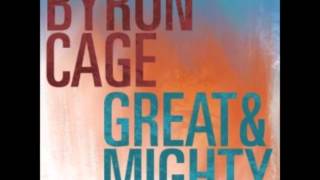
Watch the official Great & Mighty
music video
More Than Description, It Is Participation
One of the song’s most important ideas appears in its call for the whole community to join in. When it says Let all God's people sing
, it widens the message beyond a solo worship leader. The goal is not performance alone. The goal is participation.
This is why the repetition works. In everyday songwriting, repetition can seem basic. In gospel worship, repetition often functions like emphasis and invitation. Each return to the hook gives more people space to enter the song, follow the leader, and turn a sentence into testimony.
The Generational Theme Gives the Song Depth
A striking part of the lyric is its focus on time and continuity. The phrase Each generation will cry
suggests that worship is not only for one service or one age group. It belongs to the whole church across time.
That gives the song a second layer. On the surface, it praises divine power. Beneath that, it imagines a chain of faith being carried forward. Parents, children, elders, and future believers are all folded into the same chorus.
Interpretation: this generational language may be why the song feels so durable in church settings. It presents worship as something inherited and renewed, not invented from scratch every week.
The Shift From Power to Rescue
Later, the song changes one key word and sings Great & mighty is our savior
. That small change matters a lot. It moves the focus from God’s greatness in the abstract to God’s personal role as rescuer.
This keeps the song from being only about majesty. It also becomes about relationship and dependence. A mighty God can inspire awe, but a mighty Savior brings comfort, hope, and trust.
We sing yes
mighty is our god
Those short lines show how the song answers its own message. If God is mighty, then the people respond with agreement. The music becomes a cycle of declaration and answer.
How the Sound Carries the Meaning
Even from the lyrics alone, the structure points toward a classic gospel praise arrangement: strong repetition, communal lines, and a hook easy for a choir or congregation to echo. That style is central to Byron Cage’s body of work, which is often associated with live worship energy and choir-driven arrangements in gospel coverage and artist biographies.
Musically, songs like this usually lean on a steady groove, layered vocals, dynamic builds, and call-and-response phrasing. Those features matter because they reinforce the lyric’s message. A simple statement about God’s might becomes emotionally larger when many voices repeat it together.
Interpretation: the production is likely meant to create spiritual momentum. The rise in intensity mirrors the growing certainty of the words. By the end, the repeated phrase mighty is our god
feels less like explanation and more like a communal verdict.
Why the Simplicity Is the Point
Some listeners may wonder whether the lyric is too simple. That is a fair question, but gospel worship often aims for clarity over complexity. A worship song does not always need plot twists, poetic mystery, or dense symbolism. Sometimes its job is to give a room one clear truth to hold onto.
That is what happens here. The song uses a small number of ideas:
- God is great and mighty.
- God’s people should sing it.
- Every generation can join.
- God is also Savior.
Because those ideas are repeated, they become memorable and usable in worship. The song is not trying to puzzle the listener. It is trying to unite them.
Final Take on the Song’s Message
The meaning of Great & Mighty Byron Cage is ultimately about collective praise rooted in confidence. It celebrates God’s power, invites the whole church to respond, and ties present worship to future generations.
Its lyrics are simple, but the effect is large. By repeating one central confession in a communal gospel setting, the song turns a statement of faith into a shared spiritual experience.
Disclaimer: This interpretation is based on the song’s lyrics, gospel conventions, and Byron Cage’s public artistic context. Meaning can vary by listener, church setting, and personal faith background.








