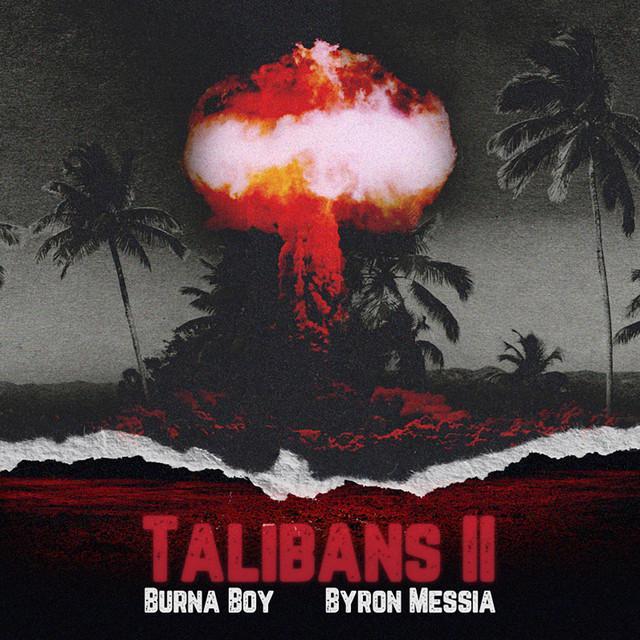
Why 'Talibans II' Hits Like a Warning
The meaning of Talibans II Burna Boy, Byron Messia starts with one simple idea: this is a song about intimidation. They present themselves as people who cannot be pushed, laughed at, or challenged without consequences. The track is not subtle, and it is not trying to be. It uses threat, bravado, and cool control to build a hard-edged identity.
"Talibans II" - Burna Boy, Byron Messia
Da-da
Yow, Kellz
Loading lyrics...
Unable to load lyrics
We're unable to display the lyrics at this time. Please try again later.
Factually, "Talibans II" is the July 20, 2023 remix of Byron Messia’s breakout song "Talibans," featuring Burna Boy, and it later appeared on Burna Boy’s album I Told Them... according to available release information. The original song went viral in early 2023 and helped make Messia a breakout name.
A Threat Song First, Not a Puzzle
The clearest way to read the track is as a warning record. Byron Messia has described the original as more of a warning song
, explaining that it was not meant as support for a real organization but as a way of saying they can get aggressive if pushed. That context matters because the song’s title can distract from what the record actually does.
In plain terms, the speakers are drawing a line. When the hook repeats we no laugh up
and we no take talk
, they are saying disrespect will not be brushed off. The repeated language turns the song into a code of behavior: no joking, no softness, no backing down.
You should a keep in your bed
'cause the Talibans them a make war
That short moment sums up the song’s emotional world. They frame conflict as something active and unavoidable once a boundary is crossed.
Burna Boy Expands the Meaning
Burna Boy’s verse gives the remix a wider lens. Messia’s writing stays rooted in direct threat and street imagery, but Burna adds fame, paranoia, and public scrutiny. Early in his verse, he suggests that even things he did not do become rumors, turning celebrity into another kind of danger.
That shift matters. The song stops being only about retaliation and starts becoming about survival in a world where attention brings enemies. When he says his life is always headline material, they sound like someone moving through pressure from both rivals and the public eye.
Confidence, Fear, and Image
Interpretation: Burna’s part can be heard as a bridge between street credibility and superstar mentality. They do not describe fear directly, but the constant readiness suggests it. The song’s hardness may function as armor.
That is why boastful details sit next to violent threats so easily. Wealth, status, and danger all become part of the same image. In this worldview, success does not remove risk; it may increase it.
The Chorus Turns Identity Into a Creed
The hook is simple, but that simplicity is the point. Repeating the same warning lines makes the track feel ritual-like, almost like they are reciting rules. Instead of telling a full story, the chorus locks in an attitude.
The phrase badness a weh we endorse
is especially important. Paraphrased, they are openly embracing a feared reputation. That does not make the song morally complex on the surface, but it does make it emotionally clear: they want listeners to feel pressure, not doubt.
Interpretation: The chorus works like self-mythology. They are not only describing who they are; they are performing who they need others to believe they are.
How the Sound Keeps the Threat Cool
Musically, the song gains a lot from restraint. Reporting on the track describes the production as dancehall with syncopated percussion and atmospheric synth pads. Producers Kelly Beatz, Ej Fya, and Spaceship Billy give the record space instead of clutter.
That sparse design is crucial to the meaning. A busier beat might have made the song sound chaotic. Instead, the instrumental feels calm and steady, which makes the threats sound colder. Their voices carry most of the tension.
This also helps explain why the remix works so well for Burna Boy. His laid-back authority fits a beat that does not rush. Messia brings a sharper edge, while Burna brings gravity. Together, they make menace sound controlled rather than explosive.
Status, Women, and Street Myth
The remix also mixes violence with luxury and desire. Messia references women, money, and recognition, including a nod to Jada Kingdom. These lines do not change the song’s main message, but they do widen the lifestyle being advertised.
This is common in dancehall and adjacent street rap traditions: danger and success reinforce each other. They are saying, in effect, that power shows up in many forms—fear, fame, sex appeal, and spending power.
Why the Song Landed So Hard
Part of the reason the song connected is timing. The original was Byron Messia’s breakout hit, and the remix added one of Africa’s biggest stars. Commercially, "Talibans II" reached the Billboard Hot 100 at No. 99 and was certified Gold in Canada, showing that its appeal traveled beyond its immediate scene.
But charts do not explain everything. The deeper reason is that the song is easy to understand on first listen. Its message is blunt, the chorus is memorable, and the contrast between chill production and harsh lyrics is effective.
Final Read on the Record
The meaning of Talibans II Burna Boy, Byron Messia is not hidden. They use the song to project force, warn rivals, and turn pressure into identity. Burna Boy adds the burden of fame, while Byron Messia keeps the song tied to direct street-level menace.
Interpretation: Beneath all the swagger, the track also hints at a life shaped by watchfulness. Their aggression sounds less like random chaos and more like a posture they believe they must maintain.
That is one reason the song sticks: it feels like performance, but also like survival.
Disclaimer: This interpretation is based on the lyrics, artist comments, and public reporting. Like most songs, it can support more than one reading depending on the listener.







