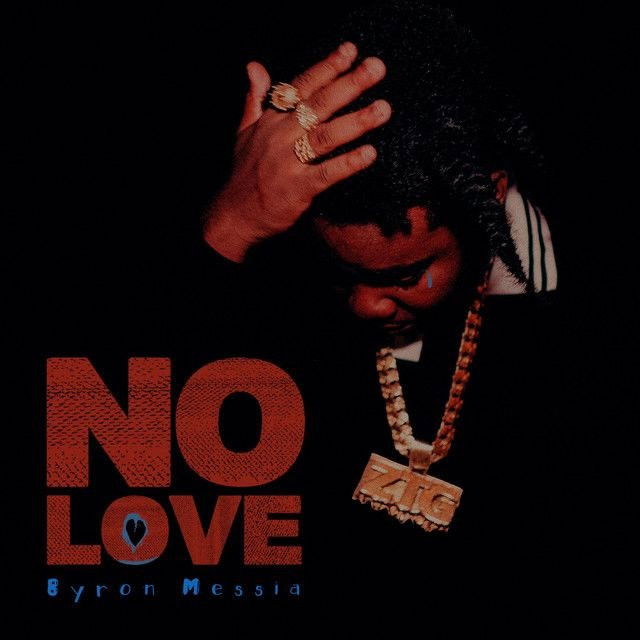
Talibans by Byron Messia
They don’t whisper their threats—they stage them. The meaning of Talibans Byron Messia lives in that tension: it’s a hard-nosed portrait of survival where image is armor. The narrator speaks for a crew, draws clear lines, and dares rivals to cross them.
"Talibans" - Byron Messia
North Side
Hallash, skillish, skallash
Loading lyrics...
Unable to load lyrics
We're unable to display the lyrics at this time. Please try again later.
A Street Manifesto, Not a Confession
At its core, the song lays out rules for respect and defense. When they say we nuh take talk
, they set a simple boundary: no disrespect, no orders from outsiders. The language is blunt because the stakes are clear—stay ready or get caught.
Interpretation: The title’s shock value serves a purpose. Using Talibans
as a metaphor signals ruthless unity, not a political stance. It’s a shorthand for being feared and tightly organized in any confrontation.
Who’s Speaking—and Who’s Being Warned
The voice jumps between singular and plural, but the “we” dominates. That creates the feel of a tight unit moving as one. The targets are rivals who, as the song puts it, enemy dem a pree
—they’re watching, plotting, waiting.
By leaning on crew language, the narrator frames identity as collective. Personal pride becomes group safety. The message to outsiders is simple: if you come close, expect pushback.
The Plot, Beat by Beat
- A challenge is issued: state your background and strength.
- Boundaries are enforced; they will not “take talk.”
- The hook repeats the policy: keep to your lane or face consequences.
- The verses stack images of readiness—weapons, mobility, and ever-present watchers.
- The end returns to the same code: they
make war
when provoked.
Interpretation: There’s no linear story arc. Instead, scenes repeat like warnings on a loop—more mantra than memoir.
What the Hook Really Says
The refrain circles around refusal and retaliation. Phrases like we nuh take talk
and make war
boil the code down to two choices—respect the boundary or face the group. Emotionally, the hook isn’t heated; it’s cool and fixed, which makes it feel less like bluster and more like policy.
Symbols, Slang, and Why They Matter
enemy dem a pree
: highlights paranoia as survival. If rivals watch you, you must watch back.bloody crime scene
: the cost of crossing the line; the image raises the stakes without specifics.- References to long “clips” and tech like “AirDrop” pull street threats into the present tense, mixing analog force with digital speed.
- Mentions of aid groups and faraway places flip everyday nouns into metaphors for aftermath and escape.
Interpretation: The song builds a collage of danger signals. Each image is a warning sign designed to brand the crew as untouchable.
How the Sound Delivers the Threat
The production leans on a cold, minor-key palette: moody synths, a steady dancehall riddim, and chesty 808s. The tempo moves with a confident strut rather than a sprint. That slower, head-nod bounce gives lines extra weight.
Byron Messia’s delivery is measured, not frantic. That calm voice over heavy drums turns the threats into vows. Ad-libs puncture the mix like sirens, keeping tension high even when the flow relaxes.
Context, Impact, and Reach
The song broke out from the Caribbean and caught global ears, helped by reels, club rotation, and a star-studded remix. U.S. listeners heard a modern dancehall record that also nods to trap’s low-end gravity. In that cross-current, menace meets melody.
Interpretation: Beyond shock value, the record travels because it’s simple to quote, easy to recognize, and built for bass-forward systems—from cars to club stacks.
Alternate Readings Worth Considering
- Defense playbook: The lyrics document a world where warning first can save lives. The crew stance is a shield more than a sword.
- Image economy: The threats are also branding. Repeating lines like
we nuh take talk
turns posture into a memorable hook that markets fearlessness.
Both readings can be true. In high-risk spaces, survival and performance often blur.
Takeaway: A Code Set to Bass
They keep the message spare and the tone cool. The meaning of Talibans Byron Messia is that reputation can be protection; a clear boundary, repeated often, might deter enemies better than any single act. The result is a dark, efficient anthem built to travel.
Disclaimer: This interpretation analyzes artistic content and slang in context. It does not endorse violence or real-world harm.








