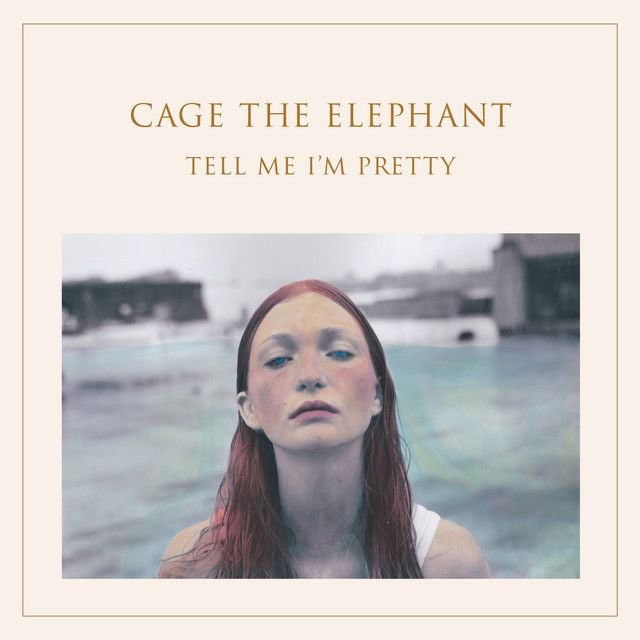
Cold Cold Cold by Cage the Elephant
The meaning of Cold Cold Cold Cage the Elephant starts with a simple but powerful idea: they turn emotional pain into a medical emergency. The speaker is alive and moving through the world, but something inside feels frozen, wrong, and urgent. Instead of describing sadness in a soft or poetic way, the song makes it feel physical.
"Cold Cold Cold" - Cage the Elephant
I've been breathin' air, but there's no sign of life
Doctor, the problem's in my chest
Loading lyrics...
Unable to load lyrics
We're unable to display the lyrics at this time. Please try again later.
That approach matches what frontman Matt Shultz has said about the track. According to Songfacts, he connected it to feelings of imminent doom and seasonal depression, and said he imagined it as a cry for help: take me to the hospital, someone help. That context matters because it shows the song is not just spooky for style. It is built around mental distress and the fear of losing control.
The Real Heart of the Song
At its core, the song is about inner numbness. The speaker asks for help because they can tell something is off, yet they cannot fully explain or fix it. When they say don't feel right
, the phrase sounds plain, but that simplicity makes it more unsettling. They know the problem is serious even if they cannot diagnose it.
The chorus gives the song its central image: cold, cold, cold inside
. That line turns depression and dread into temperature. Rather than saying they are sad, the song suggests the heart has lost warmth. It is a vivid way to describe emotional shutdown, isolation, or even dissociation.
Interpretation: the song may also point to guilt or self-alienation, not only depression. The speaker sounds worried about what they might become if help does not come fast enough.

Watch the official Cold Cold Cold
music video
Why the Medical Imagery Hits So Hard
The doctor, nurse, and counselor are more than random characters. They create a world where the speaker is both patient and witness, asking others to confirm that the danger is real. The opening plea to a doctor frames the song like a checkup, but the symptoms are spiritual and emotional.
This is why lines about the chest and the eyes matter. The body becomes a map of distress. The speaker can breathe, but there is no sign of life
, which suggests a person going through the motions while feeling deadened inside.
There is also a darker twist. The nurse and counselor scenes add temptation, confusion, and split identity. The question about a double life
hints that the speaker may be hiding part of themselves, or living with a public face that does not match their inner state.
A Quick Look at the Song's Story
The song unfolds in a few clear emotional beats:
- The speaker admits something is deeply wrong.
- They ask authority figures for help before it is too late.
- They reveal mixed impulses, including desire and self-division.
- The chorus returns to the frozen inner world.
- Near the end, darkness closes in and the song reaches a flashpoint.
That late image of darkness filling the eyes suggests panic, collapse, or surrender. It is one of the song's most intense moments because it feels like the edge of a breakdown.
darker in the day
than the dead of night
Even in this very short passage, the point is clear: the problem is so severe that daylight offers no relief. What should feel safe feels worse.
How the Sound Carries the Meaning
Musically, "Cold Cold Cold" works because it is tight, punchy, and uneasy at the same time. The track appears on Tell Me I'm Pretty (2015), the band's fourth album, which was produced by Dan Auerbach of the Black Keys and later spun off as a single in 2017. Research sources note that Auerbach pushed the band toward rawer, more immediate performances.
That rawness fits this song perfectly. The beat drives forward like a racing pulse, while the guitars have a wiry, retro-rock bite. Some critics have described the track as surf-rock tinged, but here that bounce feels nervous rather than fun. The groove moves, yet the lyrics stay trapped.
Matt Shultz's vocal also sells the song's meaning. He sounds sharp, restless, and close to unraveling. They do not sing like someone calmly reflecting on pain; they sound like someone trying to stay ahead of it.
The Video Pushes the Song Further
The black-and-white video, directed by Matt Shultz, places the song inside a hallucinatory mental institution narrative. Reporting from Rolling Stone described its disturbing imagery, while Shultz said the idea was partly about how people hide adversity and chase a safe, surface-level version of happiness.
That makes the meaning of Cold Cold Cold Cage the Elephant even broader. It is not only about private despair. It also critiques the pressure to look normal, behave normally, and package pain into something socially acceptable.
Interpretation: the video suggests that treatment and control can blur together. Help may be needed, but institutions and social norms can also distort the self.
Why the Song Still Connects
The song became one of the band's notable radio hits, reaching No. 5 on Billboard's Alternative Songs chart according to widely cited chart data. That success makes sense. Many listeners know the feeling of not having the right words for their mental state, only the certainty that something is wrong.
What gives the song lasting power is its mix of accessibility and unease. It is catchy, but it never sounds comfortable. It names a very modern fear: being functional on the outside while emotionally frozen within.
Final Take: A Cry for Warmth
In the end, "Cold Cold Cold" is about asking for help before numbness hardens into something worse. Its images of doctors, darkness, and inner cold turn anxiety and depression into a vivid scene anyone can picture.
That is the clearest meaning of Cold Cold Cold Cage the Elephant: they present mental and emotional pain as an emergency, while also showing how hard it is to explain that pain in ordinary language.
Disclaimer: This interpretation combines lyrical analysis with published artist comments and public context. As with most songs, listeners may reasonably hear more than one meaning.








