How Are You True by Cage the Elephant
A Gentle Song With a Hard Question
The meaning of How Are You True Cage the Elephant centers on honesty, burnout, and the need for love. On the surface, the song sounds calm and comforting. Under that surface, it asks a painful question: how does someone stay real when life feels empty, repetitive, or overwhelming?
"How Are You True" - Cage the Elephant
Out of bed to the bathroom where
I take a look at myself and I stop and stare
Loading lyrics...
Unable to load lyrics
We're unable to display the lyrics at this time. Please try again later.
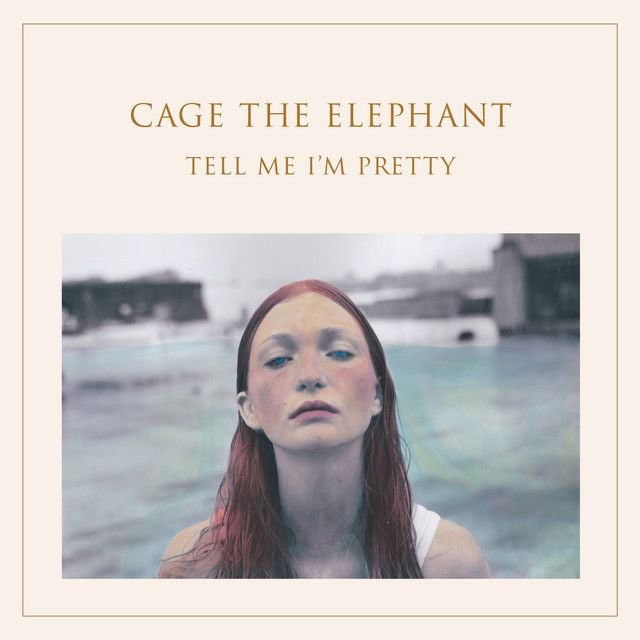
Released on Tell Me I’m Pretty in 2015, the song comes from a period when Cage the Elephant were widening their sound beyond raw garage-rock energy. According to Songfacts, frontman Matt Shultz said the song was inspired by a young musician he met on a flight to Nashville, someone headed to rehab whose name happened to be True. That real-life encounter gives the song a human center: it is not just abstract poetry, but a response to another person’s struggle.

Watch the official How Are You True
music video
The Opening Looks Inward Before It Reaches Out
The first verse starts with daily routine and self-examination. The narrator wakes up, goes through familiar motions, then stops in front of the mirror. When they see who is this standing here
, the line suggests more than simple tiredness. It sounds like a crisis of identity.
That moment sets up one of the song’s main themes: disconnection from the self. The next thought pushes it further when the singer wonders how long they can keep going. The problem is not one dramatic event. It is the slow drag of ordinary days that feel too heavy.
This is why the song hits so hard for many listeners. It captures the kind of sadness that hides inside routine. They are not falling apart in public; they are brushing their teeth and quietly wondering who they have become.
The Chorus Turns a Name Into a Spiritual Question
The title line, How are you true?
, works in two ways at once. Factually, it echoes the real person named True who inspired the song, as reported by Songfacts. Interpretation: it also becomes a larger question about integrity. How does someone remain true to themselves when addiction, image, work, or time pulls them away?
The chorus answers with comfort rather than judgment. The phrase the light will guide you home
suggests hope, but not in a preachy way. Home here feels emotional, not literal. It points to peace, clarity, or a return to the self.
Then the song states its clearest message: You need love
. That line is simple on purpose. After all the confusion, the song cuts through with a basic truth. Success, performance, and self-protection are not enough.
The light will guide you home
You need love
Those lines summarize the song’s moral center: people survive by finding care, connection, and some path back to themselves.
Time, Work, and the Fear of Wasting a Life
In the second verse, the song shifts from identity to time. It warns against spending life just countin' numbers
, trapped in measurement, money, schedules, or achievement. The point is not that work is bad. The point is that a person can become so busy tracking life that they stop living it.
This connects neatly to the first verse. First, the singer feels alienated from the self. Then the song explains one cause: modern life can turn people into calculators of survival. Before they know it, the years move fast and the present is gone.
That idea gives the song a bittersweet maturity. Instead of sounding rebellious in a youthful way, it sounds reflective. They are not saying, “reject everything.” They are saying, “be careful what steals your soul while you are distracted.”
The Final Verse Makes the Song More Concrete
The last verse is especially important because it reveals where the emotion may come from. The singer remembers meeting someone on an airplane who shared painful secrets. This matches Matt Shultz’s account of meeting a troubled young musician on a flight, a story he discussed in comments summarized by Songfacts.
That detail changes the whole track. What first seemed like a private inner monologue now feels like a conversation, maybe even a plea. The narrator is talking to another person, but also to themselves. They recognize the same danger: loneliness, image-making, and the risk of losing the core self.
Interpretation: that is why the title feels so moving. It is not only “How are you, True?” as a question to one man. It also sounds like “How are you true?” as a challenge every listener can hear.
Why the Sound Matters So Much
Part of the song’s meaning comes from how softly it is delivered. Tell Me I’m Pretty was produced by Dan Auerbach of The Black Keys, and the album is widely noted for its warmer, more vintage-leaning textures. On this track, Cage the Elephant avoid explosive drama. Instead, they use a steady tempo, open space, and tender vocal phrasing.
That choice matters. A louder arrangement could have made the song feel accusatory or desperate. This one feels compassionate. The music gives the lyrics room to breathe, almost like a hand on the shoulder.
Bassist Daniel Tichenor told Artistdirect that the song’s first mix brought out strong emotion and made the band feel they had stayed true to themselves. That comment is useful context because authenticity is not just the subject of the song; it also seems tied to how the band understood the recording itself.
The Best Way to Read the Song
The strongest reading is that this is a song about spiritual and emotional recovery. It looks at depression, exhaustion, and the false promises of persona or success, then answers with a modest but powerful idea: love keeps people human.
A second reading is more specific. Interpretation: it can be heard as a compassionate message to someone struggling with addiction or self-destruction. The airplane story supports that view, and the song’s tone never shames the person at its center.
Either way, the meaning lands in the same place. The song asks whether a person is living honestly, and whether they still know what matters.
Why It Still Connects
Many Cage the Elephant songs carry tension, swagger, or instability. This one offers mercy. That is what makes it memorable. It speaks to listeners who feel tired, lost, or trapped in routine, and it tells them they are not beyond return.
In the end, the meaning of How Are You True Cage the Elephant is about more than identity. It is about what brings someone back when identity starts to fade. The answer the song gives is humble, but lasting: light, honesty, and love.
Disclaimer: This article offers interpretation based on the lyrics, artist comments, and recording context. Song meaning can remain personal, and listeners may hear it differently.









