Why 'Punchin' Bag' Hits So Hard
The core idea behind the fight
When listeners search for the meaning of Punchin' Bag Cage the Elephant, the clearest answer is this: the song is about someone refusing abuse and fighting back. It frames that refusal in vivid, almost comic-book language, but the emotional point is serious. A person who has been hurt decides they will not be used anymore.
"Punchin' Bag" - Cage the Elephant
And she won't put up with another brood who only wants to bruise her
Take her love and then abuse her
Loading lyrics...
Unable to load lyrics
We're unable to display the lyrics at this time. Please try again later.
The title says almost everything. A punching bag is an object made to absorb blows without resistance. The song rejects that role. Its central line, I'm not your punchin' bag
, turns the whole track into a boundary-setting anthem.
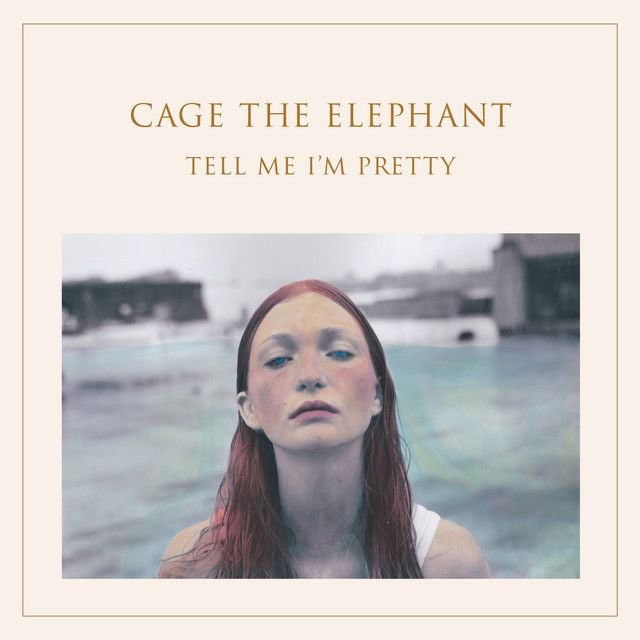
This was released on Tell Me I'm Pretty in 2015, an album by Cage the Elephant that was produced by Dan Auerbach of The Black Keys. The album later won Best Rock Album at the Grammys, which helped cement its place in the band's catalog. Those facts matter because this song sits inside a record known for mixing garage-rock swagger with darker emotional themes.

Watch the official Punchin' Bag
music video
A revenge story, but also a warning
On the surface, the lyrics tell a direct story. A woman has been mistreated by a man who offered harm instead of love. The song calls him out with the blunt question What kind of man are you?
That line is not subtle, and it is not meant to be.
From there, the song imagines a reversal. The abuser is no longer in control. The target of violence now pushes back. When the lyric says If you take a swing
, the response is immediate: she will return the force rather than silently endure it.
Interpretation: This makes the song feel like revenge rock. But it also works as a warning song. It tells the abusive figure that their power depends on the other person staying passive, and that passivity is over.
How the verses build the message
The early lines sketch a character who is both damaged and dangerous. They describe someone who has been bruised, used, and underestimated. That setup is important because the chorus only lands if listeners understand the past pain behind the defiance.
One of the song's strongest moves is how it blends victimhood and strength without making the character seem weak. She has suffered, but she is not fragile. She is introduced as hard-edged, controlled, and ready.
Heaven help ya
she's coming for you
Those short lines push the song from complaint into threat. The person who once absorbed harm now becomes a force the other person should fear.
The hook turns pain into identity
The chorus is repetitive, and that repetition is the point. By saying won't take no more
again and again, the song sounds like someone convincing themselves as much as the person they are addressing. Repetition becomes resolve.
This is why the hook feels bigger than a plot point. It is not just about one fight between two people. It becomes a statement of identity: they will no longer be defined by what was done to them.
Interpretation: In that sense, the meaning of Punchin' Bag Cage the Elephant goes beyond revenge. It is about reclaiming personhood after humiliation. The refrain is less a threat than a declaration of self-worth.
The sound gives the lyrics extra bite
Cage the Elephant often balance raw energy with a slightly theatrical edge, and this track is a good example. The guitars are punchy and sharp, the beat drives hard, and the vocal delivery leans into taunt, sneer, and urgency. The arrangement does not sound reflective or sad. It sounds confrontational.
That matters because a softer production would make the song feel tragic. Instead, the band gives it a strutting, stomping groove. The result is that listeners feel the confidence before they even process the words.
Dan Auerbach's production style also fits the material. He is known for favoring gritty textures and live-band immediacy, and that helps the song sound physical rather than polished. It feels like a bar-band threat delivered with style.
A character sketch with some exaggeration
Some of the song's imagery is intentionally over the top. References to being fearless and carrying a weapon are not presented with much realism or nuance. They heighten the drama.
Interpretation: That exaggeration suggests the song is not meant to be read as a literal crime narrative. It works more like a revenge fantasy, where the emotional truth matters more than factual detail. The character becomes a symbol of payback and self-protection.
That symbolic reading also helps explain the playful streak in the song. Even as it talks about bruises and retaliation, it still has a swagger that feels performative. It wants to sound dangerous, but it also wants to be catchy.
Another way to hear it
There is also a broader reading. The song can stand for any situation where someone has been treated as disposable: a bad relationship, a manipulative friendship, even a system that exploits people until they finally resist.
Because the lyrics stay broad, listeners can fit their own experiences into the frame. The song never gets so specific that it closes off meaning. That openness is part of why it works as an anthem.
Why it still connects
What makes this track memorable is not complexity. It is clarity. The message is immediate, the hook is easy to grasp, and the performance sells the anger with style.
For many listeners, the meaning of Punchin' Bag Cage the Elephant is simple in the best way: no one deserves to be used as a target for somebody else's cruelty. The song turns that idea into a loud, sharp piece of rock theater.
That is why it sticks. It gives pain a face, gives resistance a voice, and then makes both impossible to ignore.
Interpretation disclaimer: Song meanings can vary by listener. This reading is based on the lyrics, the recording's sound, and publicly known context around the band and album.








