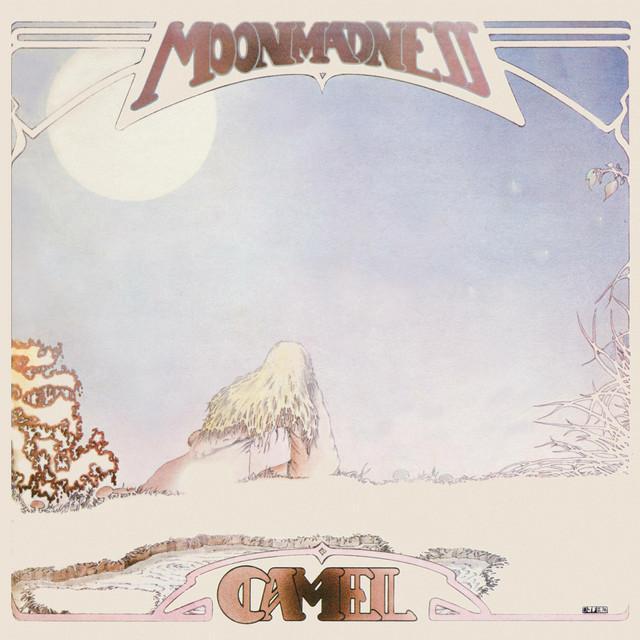
Why “Lunar Sea” by Camel Still Feels Vast
The meaning of Lunar Sea Camel is unusual because the song says so much without using lyrics. Camel’s closing track from Moonmadness is an instrumental, so listeners do not get a clear narrator or plot. Instead, they get motion, mood, and a title that points them toward a world of moonlight, water, and distance.
"Lunar Sea" - Camel
Andrew Latimer: Guitar
Peter Bardens: String Synthesizer, Moog,Organ
Loading lyrics...
Unable to load lyrics
We're unable to display the lyrics at this time. Please try again later.
That matters because Camel were one of progressive rock’s most melodic bands. On Moonmadness, they built a record that feels reflective and dreamlike, and “Lunar Sea” works as its final release of energy. The result is a piece that sounds both earthly and cosmic at once.
Where the Song Sits in Camel’s Story
“Lunar Sea” appears on Moonmadness, released in 1976, during the group’s classic lineup era. The track is credited to Andrew Latimer and Peter Bardens, and the performance features Latimer on guitar, Bardens on string synthesizer, Moog, and organ, Doug Ferguson on bass, and Andy Ward on drums, as reflected in the song credits provided and Camel’s official band resources at Camel Productions.
Those details help explain the song’s character. Latimer and Bardens were the main melodic architects in Camel, and this piece sounds like a conversation between guitar and keyboards. Their partnership gives the track its emotional pull: one side warm and lyrical, the other hazy and celestial.

Watch the official Lunar Sea
music video
The Core Idea Beneath the Instrumental
At the broadest level, the meaning of Lunar Sea Camel seems to be about travel through an unknown space. Interpretation: the title joins two images that usually stay apart: the sea below and the moon above. That fusion suggests a crossing, as if the band are imagining an ocean voyage transformed into a space journey.
Because there are no lyrics, listeners read the music almost like scenery. The opening feels calm but alert, as if something is beginning to move. As the arrangement grows more active, the song stops sounding like a still landscape and starts sounding like a current carrying the listener forward.
This is one reason the title is so effective. “Lunar” adds cold light, mystery, and detachment. “Sea” adds flow, depth, and danger. Put together, they suggest a place that is beautiful but hard to fully know.
How the Instruments Tell the Story
Guitar as the Human Voice
Andrew Latimer’s guitar does much of the emotional speaking. Their phrasing is smooth and singing, which keeps the music from feeling mechanical. Even when the band move into more complex passages, the lead lines give the song a sense of longing rather than technical showmanship.
Interpretation: that guitar can be heard as the human presence inside a huge landscape. It does not try to dominate the scene. Instead, it sounds like someone trying to navigate it.
Keyboards as Moonlight and Mist
Peter Bardens’ string synthesizer, Moog, and organ are central to the track’s imagery. Those sounds create width and shimmer, almost like reflected light on moving water. In progressive rock, synthesizers can sometimes feel cold, but here they soften the edges and make the song feel suspended in air.
That is why “Lunar Sea” feels cinematic. The keyboards do not just decorate the guitar. They create the environment around it.
Rhythm as Tides and Propulsion
Doug Ferguson and Andy Ward give the track its motion. The bass keeps a steady pull underneath the arrangement, while the drums shift from patient groove to busier patterns. Together, they make the song feel like it is traveling rather than simply repeating.
This balance is key to Camel’s style. The band can sound intricate, but they rarely lose clarity. Even when “Lunar Sea” becomes more intense, the rhythm section keeps the journey readable.
What the Title Suggests Symbolically
A strong reading of the song comes from its imagery alone:
- The moon suggests distance, dream states, and altered perspective.
- The sea suggests emotion, movement, and the unknown.
- Their combination suggests an inner voyage made to feel physical.
Interpretation: that makes the track less about outer space in a science-fiction sense and more about perception. It sounds like the feeling of looking at a familiar world until it turns strange and sublime.
That reading also fits Moonmadness as an album title. Camel seem interested not in chaos, but in a gentle kind of disorientation. “Lunar Sea” turns that mood into motion.
Why the Ending Matters So Much
As the album closer, “Lunar Sea” does more than stand alone. It gives Moonmadness a final lift. Instead of ending in silence or melancholy, Camel end with expansion. The song opens the record outward, as if the listener has moved from private reflection to a wider horizon.
That helps explain why fans often treat it as a standout. It captures Camel’s strengths in one track: melody, atmosphere, precision, and emotional restraint. They do not need words to tell the listener what to feel. They build a space where feeling can happen naturally.
A Clear Take on the Meaning
So, what is the meaning of Lunar Sea Camel? The safest answer is that it is a musical voyage shaped by images of moonlight and water. Interpretation: beneath that surface, it may also be about wonder, uncertainty, and the smallness of the self inside something vast.
That is why the track endures. It is not locked to one story, which lets different listeners find their own.
Disclaimer: This interpretation is based on the song’s title, credited instrumentation, album context, and musical arrangement rather than explicit lyrical content. As with many instrumentals, meaning remains open to listener interpretation.







