
What "We All Know Who We Are" Really Means
The meaning of We All Know Who We Are Cameo centers on identity, spiritual confidence, and hope during confusing times. Rather than telling a detailed story, the song works like a group affirmation. It suggests that people may feel lost, burdened, or surrounded by crisis, yet some deeper truth about who they are still remains intact.
"We All Know Who We Are" - Cameo
All the bad things pass you by
When such a feeling come to you (come to you yeah)
Loading lyrics...
Unable to load lyrics
We're unable to display the lyrics at this time. Please try again later.
That idea fits Cameo’s early history. The group was formed by Larry Blackmon in the mid-1970s, and by 1978 they were still building the horn-driven funk sound that defined their early records before their bigger 1980s crossover era. Broadly, Cameo’s roots were in funk, soul, and R&B, with a strong ensemble feel in their early years. That background matters because this song sounds communal rather than confessional.
A Funk Song About Inner Certainty
At its core, the song argues that self-knowledge is not something people invent from scratch. It is already there, waiting to be remembered. The chorus repeats the title idea so often that it becomes less like a lyric and more like a mantra.
When the singer says we all know who we are
, the point is not that life is easy. The verses admit confusion and pressure. One line even says I don't know where I'm going
, which sounds like doubt. But the next thought turns that uncertainty into faith: even if the path is unclear, the answer can still be found.
Interpretation: the song treats identity as deeper than mood. A person may feel lost today, but that does not erase their core self.
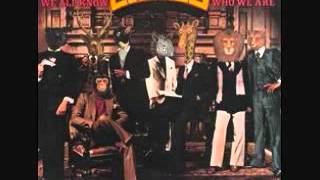
Watch the official We All Know Who We Are
music video
The Verses Move From Trouble to Trust
The opening images are bright and uplifting. Calling someone a diamond in the sky
gives them value and distance from everyday ugliness. It suggests purity, beauty, and endurance. Then the song urges them to cast no shadow on the truth
, which sounds like advice not to let fear or confusion block what they already sense is real.
From there, the lyrics widen beyond one person’s feelings. They say life can feel heavy and hard to understand, but also insist that a guiding spirit has existed since the beginning. That shift is important. The song moves from personal struggle to something almost cosmic.
And the crisis that we live in
We need a light to shine
This is the article’s clearest statement of the problem. The world is in trouble, people need direction, and the answer is not panic but illumination. The “light” works as a classic symbol of wisdom, faith, or moral clarity.
Why the Chorus Feels So Powerful
The hook is simple, but that simplicity is the point. Funk often uses repetition to create physical momentum, and here that same repetition creates emotional reassurance. The title line keeps returning until it sounds undeniable.
Because the chorus is collective, the song avoids sounding preachy. It does not say only one person has insight. It says you know and I know
. That makes the message democratic and shared. Everyone is invited into the same truth.
Interpretation: the chorus may be read as a response to social fracture. In times of fear, people can forget their values. The song pushes back by reminding them that identity and purpose can be recovered together, not just alone.
Sound and Production Carry the Message
Cameo’s early style was built on live-band energy, horns, rhythm, and layered vocals, before the group leaned harder into synths and drum machines in the 1980s. According to broad band histories, the group began as a large funk outfit and developed from a horn-oriented sound influenced by the era’s bigger funk collectives. That helps explain why this track feels expansive rather than intimate.
The groove matters to the song’s meaning. The rhythm is steady, not frantic. That creates a sense of grounding, which supports a lyric about inner certainty. The backing vocals also play a major role. They do not just decorate the lead; they reinforce the title like a community answer.
Larry Blackmon is credited as the writer, and that matters because his work often balanced hard funk energy with hooks that felt direct and memorable. Here, instead of using that directness for flirtation or swagger, he aims it at affirmation.
Artist Context Makes the Message Richer
This song comes from Cameo’s 1978 album We All Know Who We Are, released during the band’s early run after their debut Cardiac Arrest. In that period, the group was still defining itself, long before songs like “Word Up!” made them pop icons. That timing gives the title track an extra layer.
A young band making a song about knowing who they are can sound almost self-defining. They were still emerging, yet the song insists on identity. That gives the title a double meaning: it speaks to listeners, but it may also reflect the group’s own confidence as they shaped their place in late-1970s funk.
Two Strong Ways to Read the Song
A spiritual reading
The references to spirit, truth, signs, and light make the song easy to hear as spiritual. Not necessarily tied to one religion, but clearly interested in guidance beyond material confusion. In this reading, knowing who they are means recognizing a soul-level identity.
A social reading
The mention of crisis opens another path. The song can also be heard as a response to unstable times, reminding communities not to lose themselves. In this reading, the title means people still know their values, roots, and shared dignity even under pressure.
Both readings fit the lyrics, and the song’s strength is that it leaves room for both.
Why the Song Still Connects
The meaning of We All Know Who We Are Cameo lasts because the message is simple without being shallow. Many songs describe confusion. Fewer songs answer it with calm assurance. This one says people may wander, hurt, and doubt, but they are not empty.
That is why the track feels warm instead of naive. It does not deny hardship. It simply refuses to let hardship define identity.
In the end, Cameo turns a funk groove into a statement of faith in the self and in the group. They suggest that beneath chaos, there is still recognition, memory, and truth.
Disclaimer: This interpretation is based on the lyrics, recording context, and documented history around Cameo. As with any song, listeners may hear different meanings.








