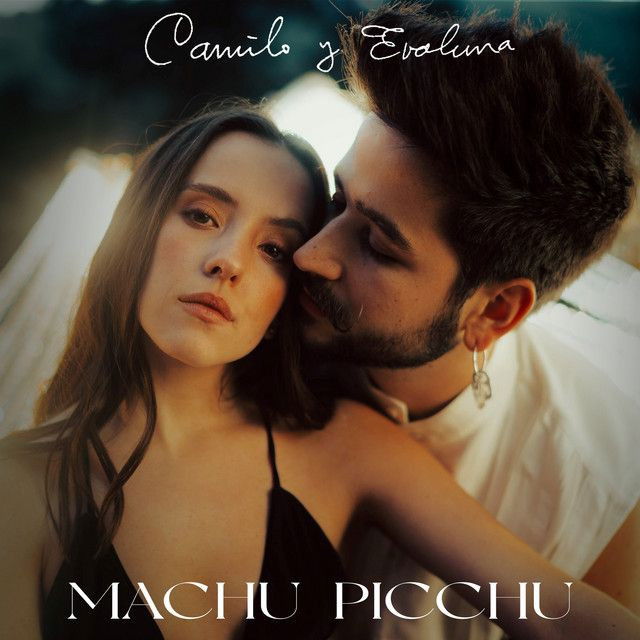
Why ‘Machu Picchu’ Turns Insecurity Into Love
The meaning of Machu Picchu Camilo, Evaluna Montaner comes down to one big emotional twist: they take self-doubt and turn it into a love song. Instead of bragging, the speaker sounds amazed that someone could see beauty in a person who feels messy, intense, and damaged.
"Machu Picchu" - Camilo, Evaluna Montaner
Ay, dime qué pasa cuando te paso por la cabeza
Yo sé que estoy loca, pero tú más loco de haberte fijado en mí
Loading lyrics...
Unable to load lyrics
We're unable to display the lyrics at this time. Please try again later.
That is why the song lands so easily. It is romantic, but it is not polished romance. It is romance with nerves, disbelief, and humor.
A Love Song Built on Shock
At the center of the track is a repeated question: what did the other person possibly see in them? The song keeps circling that idea with phrases like qué viste cuando me viste
. In plain English, they are asking: why me?
That question matters because the narrator does not present themselves as perfect. They call themselves wild and unstable, then push the idea further by saying the other person must be even crazier for staying. The flirtation works because it mixes affection with confession.
Interpretation: the song is not really asking for an answer. It is showing the emotional state of someone who still cannot believe they are loved.

Watch the official Machu Picchu
music video
The Machu Picchu Image Does the Heavy Lifting
The most important line compares the speaker’s inner life to ruins: más ruinas que Machu Picchu
. That is the key image in the whole song. Machu Picchu is famous worldwide as an ancient site marked by history, survival, and broken beauty. In the song, that reference becomes a metaphor for emotional damage.
The next idea deepens that metaphor. The speaker admits they have hurt worlds with what they say, describing a pattern of destruction through words. Then they wonder how anyone noticed something worthwhile in a person who felt like todo menos una obra de arte
.
Interpretation: the ruins image is not only about being broken. It is also about still holding wonder. Ruins can be damaged and precious at the same time. That double meaning makes the song more tender than sad.
Who Is Speaking, and to Whom?
The song uses a first-person voice, but the emotional effect is very direct. One person is speaking to a partner who has chosen them anyway. They are not asking for pity. They are reacting to being loved.
That dynamic becomes clearer in the lines about seeing the beloved and suddenly understanding love itself. The narrator says the moment of eye contact changed everything. Rather than building a long story, the song captures the before and after of attraction: before, they felt chaotic and undeserving; after, love became real.
A Quick Narrative Map
- They admit they feel unstable and hard to love.
- They express shock that someone stayed close.
- They compare their inner life to ancient ruins.
- They offer devotion in return, saying
yo hago lo que quieras
. - They describe seeing this person and recognizing love.
That simple structure helps the chorus hit harder each time.
Why the Chorus Feels So Catchy
The chorus repeats the same emotional puzzle instead of resolving it. That repetition mirrors obsession. When someone feels unexpectedly loved, they often replay the same thought again and again.
Here, the hook is memorable because it is conversational. It sounds less like formal poetry and more like a stunned confession. The phrase te haberte quedado aquí
points to the real miracle for the narrator: not just attraction, but staying power.
Interpretation: the chorus suggests that love is proven not by grand words but by presence. The other person stayed, and that fact means more than compliments.
Sound and Performance Keep It Light
Camilo released “Machu Picchu” with Evaluna in 2021, and the song became part of the couple’s public musical story during the Mis Manos era, as covered by Billboard and Sony Music Latin. The track was written by Camilo Echeverri, Daniel Morales Reyes, Dav Julca, Edgar Barrera, Evaluna Montaner, and Johnny Echo.
The production helps explain why the lyrics do not feel dark. The rhythm is breezy and pop-forward, with a light bounce that keeps the mood playful. Their voices also matter: Camilo’s airy, expressive delivery pairs well with Evaluna’s sweetness, so the song sounds like teasing reassurance rather than emotional collapse.
Because they are a real-life couple, many listeners hear extra intimacy in the record, a context noted in mainstream coverage from outlets like People and Rolling Stone. That does not change the literal lyrics, but it does shape reception. The chemistry makes the insecurity sound safe.
Two Strong Readings of the Song
Reading One: A confession of low self-worth
The clearest reading is that the song is about fragile self-image. The speaker sees themselves as difficult, destructive, and far from ideal. Love feels surprising because they do not think they deserve it.
Reading Two: A playful couple anthem
There is also a lighter reading. The exaggeration may be partly theatrical. Calling themselves chaotic and full of ruins can be heard as dramatic flirting, the kind that says: you know I am a lot, and you love me anyway.
Both readings fit because the song balances sincerity and charm.
What the Song Ultimately Says
The meaning of Machu Picchu Camilo, Evaluna Montaner is that love can arrive before self-acceptance does. A person may still see their own damage first, while someone else sees history, beauty, and value.
That is why the Machu Picchu metaphor works so well. Ruins are not worthless because they are broken. In this song, they may be worth loving even more because they have survived.
Disclaimer: This interpretation is based on the song’s lyrics, performance, and public context. As with any song, meaning can vary from listener to listener.







