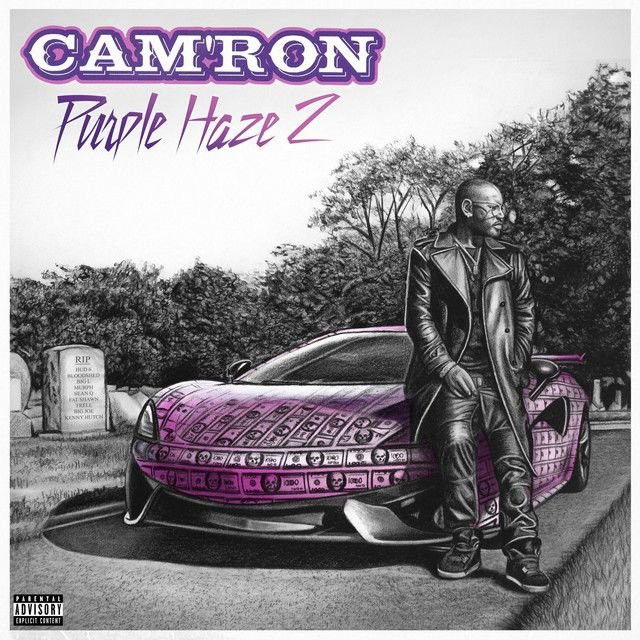
Why 'Losin' Weight 3' Hits So Hard
The meaning of Losin' weight 3 Cam’ron comes down to a painful contradiction: street ambition promises escape, but it also strips people down. In this song, they do not tell a victory story in a simple way. They tell a survival story shaped by poverty, guilt, grief, and pride.
"Losin' weight 3" - Cam’ron
One thing you can't take away is my past though
Shorty told me a story I ain't cast any aspersions or hold judgement
Loading lyrics...
Unable to load lyrics
We're unable to display the lyrics at this time. Please try again later.
Cam’ron uses a conversational style, but the writing is sharp. The track moves between teenage hunger, adult reflection, and full-on bravado. That mix matters, because the song is not just about drug dealing. It is about what a person has to become when they feel they have no time to wait for a safer future.
A Hook About More Than Money
The chorus is the key to the song. When they ask why it feels like losin' weight
while also movin' weight
, the line works on two levels. On the surface, it plays with drug slang. Underneath, it asks why hustle does not create real security.
That is the song’s deepest tension. The speaker once dreamed of a new estate
and a better life, but the hook suggests that chasing money can still leave someone emotionally thinner, not stronger. Interpretation: the “weight” being lost may be peace, innocence, or even a stable sense of self.

Watch the official Losin' weight 3
music video
The First Verse Turns Need Into Action
The opening verse gives the song its emotional center. Cam’ron goes back to being 14, seeing that their grandmother wanted a washing machine and could not afford one. That detail is small on purpose. It makes poverty feel ordinary and personal instead of abstract.
From there, the verse shows a turning point. They first seek entry into hustling, get rejected, then rethink their options. The writing makes this sound less like fantasy and more like a grim calculation. The line about having to weigh it out
links practical choice with the larger theme of burden.
The robbery story that follows is cold, but it is not told as a clean triumph. They apologize to the victims in retrospect, then describe giving the appliance to their grandmother and lying about where the money came from. That lie is important. It shows love and shame happening at the same time.
A Small Gift, A Huge Moral Cost
The washer and dryer become symbols. On one hand, they represent care for family. On the other, they represent how poverty can corrupt the path to doing something loving. Interpretation: Cam’ron is not excusing the act; they are showing how desperation can twist moral choices until affection and crime sit in the same memory.
Memory, Mourning, and Reputation
The second verse broadens the frame. Instead of one story, Cam’ron surveys a whole ecosystem of danger, tribute, and self-definition. They salute lost figures including Big L and Bloodshed, grounding the song in real Harlem rap history. Big L’s album Lifestylez ov da Poor & Dangerous did feature Cam’ron, a notable early look for them, as documented by major discographies and credits databases.
These shout-outs do two things:
- They honor people who shaped the path.
- They remind listeners how easily the street story ends in death.
That is why the verse keeps shifting between gratitude and menace. They thank supporters who saw talent early, then return to hard talk and battle-ready punchlines. The effect is layered rather than inconsistent. They sound like someone who survived, remembers, and still refuses to appear soft.
How the Sound Supports the Story
Even without unpacking every bar, the performance style tells a lot. Cam’ron’s flow is controlled and loose at once, letting jokes, threats, and memories sit side by side. That casual delivery is part of the point. They sound practiced in pain, which makes the details feel lived-in.
The production also matters. The beat leaves room for the voice, so the storytelling stays front and center. Instead of pushing toward a huge emotional climax, the track rides with a cool, almost numb confidence. That restraint fits the song’s message: trauma is not always loud. Sometimes it arrives as routine.
Two Strong Ways to Read the Song
There are at least two solid readings of the meaning of Losin' weight 3 Cam’ron.
Interpretation 1: A Confession Wrapped in Swagger
One reading hears the song as a moral memory. The first verse especially feels like an explanation of how poverty bent a teenager’s ethics. The hook then becomes a mature question: was the hustle ever worth what it took away?
Interpretation 2: A Veteran’s Self-Portrait
Another reading sees the track as legacy-building. Cam’ron names losses, allies, and survival skills while placing themselves in a long street-rap lineage. In that view, the song is less apology than reckoning. They are measuring what they endured and what they became.
Both readings can be true at once. That is part of why the song works.
Why the Song Still Lands
What makes this track stick is its honesty about contradiction. Cam’ron presents someone who is caring and dangerous, grateful and scarred, reflective and still defiant. The song never cleans that up.
That is the real power of the meaning of Losin' weight 3 Cam’ron. It shows how success born from survival may still carry old hunger inside it. The person can leave one life, yet still speak in its logic.
Disclaimer: This interpretation is based on the lyrics provided and publicly known career context. As with any song, meaning can vary between listeners, and some lines may be intentionally ambiguous.








