Why 'The Feelin' Is Gone' Hurts So Deep
A breakup song with no drama left
The meaning of The Feelin' Is Gone Canned Heat, John Lee Hooker comes down to a simple but painful truth: love can last past the point of health, and then one day it does not. The song is not about a sudden fight or a flashy betrayal. It is about emotional exhaustion.
"The Feelin' Is Gone" - Canned Heat, John Lee Hooker
I don't know what to do, baby
You got me so worried, baby
Loading lyrics...
Unable to load lyrics
We're unable to display the lyrics at this time. Please try again later.
They present a speaker who has been stuck in a relationship long after they knew they should leave. Early on, the narrator sounds trapped by worry, repeating that they are upset and unsure what to do. That matters because the song frames heartbreak as a slow drain, not one big explosion.
When the singer says so worried, baby
, the phrase does more than show sadness. It suggests a mind circling the same problem again and again. In blues tradition, repetition often mirrors emotional stuckness, and that is exactly what happens here.

Watch the official The Feelin' Is Gone
music video
The core story moves from bondage to release
At the center of the song is a conflict between knowledge and attachment. The speaker says they should have left long time ago
, but their love kept them there. That tension gives the song its emotional shape.
This is the timeline in brief:
- They know the relationship is causing pain.
- They admit they should have walked away earlier.
- They confess love kept them from leaving.
- They finally reach emotional detachment.
The key turn arrives when the narrator realizes the feelin' is gone
. That line is not triumphant in a loud way. It sounds more like a tired awakening. They are not celebrating revenge; they are naming the end of their emotional bond.
Who is speaking in the song?
The song uses a first-person blues voice, but its appeal is broad because the feeling is familiar. They address a lover directly as baby
, which keeps the song intimate. At the same time, that repeated address also shows habit. The speaker is still talking in the language of closeness even while declaring the relationship over.
That contradiction is important. Even after the bond has died, the pattern of love-talk remains. In that sense, the song captures how breakups really feel: people often speak from inside old routines while trying to step out of them.
I should have been gone from you
But my love for you
wouldn't let me go
This brief passage sums up the whole song. The narrator is not confused about what is wrong. They are conflicted because emotion has been stronger than judgment.
A classic blues theme: knowing better, staying anyway
One reason the song lands so hard is that it uses a classic blues idea with unusual honesty. Many blues songs deal with cheating, sorrow, drinking, or wandering. This one focuses on the painful delay before leaving.
Interpretation: The song can be heard as a portrait of emotional dependency. The speaker knows the relationship is bad, but love has become its own chain. The phrase wouldn't let me go
makes love sound less like comfort and more like captivity.
There is also a deeper dignity in the final turn. The narrator does not say the other person changed. They say they changed. The feeling ended inside them. That makes the song less about blaming someone else and more about recognizing a limit.
Why the stripped-down sound matters
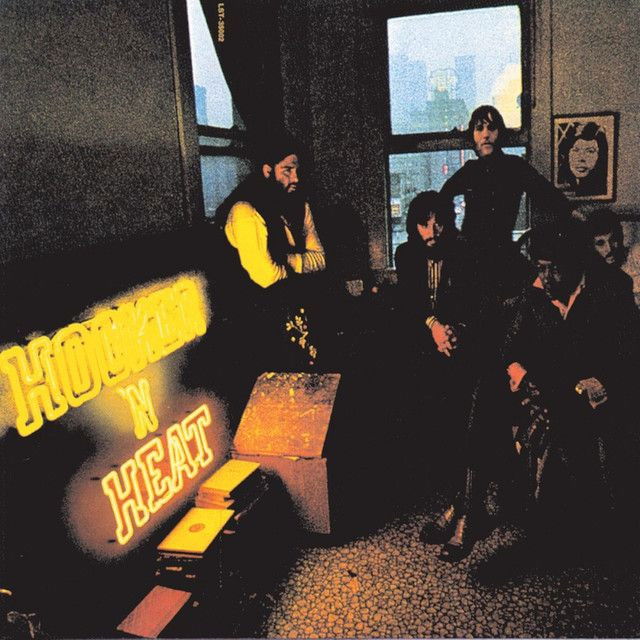
Context helps explain the force of the performance. "The Feelin' Is Gone" appears on Hooker 'n Heat, the 1971 collaboration between John Lee Hooker and Canned Heat. According to the album's documented session details, side one features Hooker unaccompanied, and this track sits in that opening run. That is crucial to its meaning.
Because the performance is so bare, listeners hear the weight of every repeated phrase. There is no full-band push softening the confession. The guitar and voice leave space around the words, making the worry feel lonely and personal.
Hooker's style was built for this. His sense of rhythm often feels conversational, almost like thought turning into sound in real time. In this song, that loose flow makes the speaker seem as if they are talking themselves into the truth.
How Canned Heat shapes the wider context
Even though this track is stripped down, the album context still matters. Canned Heat were among the most visible American blues-rock groups of the late 1960s, and their work with Hooker brought younger rock audiences closer to a foundational blues artist. The album reached No. 73 on the Billboard 200, as noted in album history, and critics have often praised the partnership.
That background gives the song added weight. It is not just one breakup performance. It is part of a project that showed Hooker's emotional directness could stand at the center of a major early-1970s release without losing its raw power.
There is also a shadow over the album: it was the last studio album to feature Alan Wilson of Canned Heat, who died in 1970 before the album's release. While he does not drive this particular track, that history adds a sense of fragility to the whole record.
The emotional message beneath the hook
What makes the meaning of The Feelin' Is Gone Canned Heat, John Lee Hooker so enduring is its honesty about delayed endings. Many songs are about being in love or out of love. Fewer are about that middle period when someone knows it is over in every practical sense, but their heart has not caught up.
Interpretation: The song's final message is not coldness. It is relief mixed with loss. The feeling being gone is sad because love once mattered, but it is also freeing because pain no longer controls the speaker.
That blend is why the song still resonates. They do not dramatize heartbreak; they outlast it.
Final takeaway for listeners
In plain terms, this song is about staying too long, suffering for it, and finally becoming emotionally free. Its repeated lines, bare arrangement, and weary voice all support that meaning.
That is the lasting power of John Lee Hooker here: they turn a simple statement into a full life lesson. Sometimes the end of love does not sound explosive. Sometimes it sounds calm, tired, and true.
Disclaimer: This article offers an interpretation based on the lyrics, performance, and documented album context. As with most blues songs, different listeners may hear slightly different shades of meaning.







