Why Cannibal Corpse’s Most Famous Song Hits So Hard
A brutal story, not a moral lesson
For anyone searching for the meaning of Hammer Smashed Face Cannibal Corpse, the clearest starting point is this: the song is a horror narrative told from inside the mind of a killer. It is not subtle, and it is not trying to be. Cannibal Corpse build a point-of-view character whose rage spills into grotesque violence, then match that vision with music that feels just as crushing.
"Hammer Smashed Face" - Cannibal Corpse
It's, it's coming out
I feel like killing you
Loading lyrics...
Unable to load lyrics
We're unable to display the lyrics at this time. Please try again later.
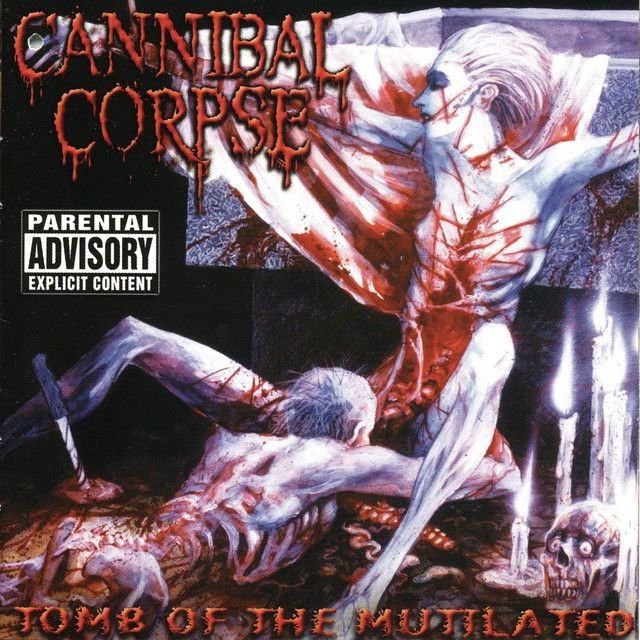
Factually, the song first appeared on Tomb of the Mutilated in 1992, then became the title track of the 1993 EP and single released by Metal Blade. It remains the band’s signature song and later reached a wider audience through Ace Ventura: Pet Detective and major list placements from outlets like Rolling Stone. The track’s release history is summarized on Wikipedia.
Watch the official Hammer Smashed Face
music video
Inside the narrator’s broken mind
The lyrics begin with pressure building inside the speaker. The opening idea is that something dark has been living in them, waiting to surface. When they say there's something inside me
, the song frames violence as both impulse and possession. That does not excuse the action; it shows how the narrator understands their own collapse.
A key line of thought is that the speaker feels split in two. They describe another force in the brain, almost like a parasite or second self. Interpretation: this gives the song a slasher-film quality. The killer is not presented as a full human being with balanced emotions, but as a body overtaken by obsession.
That matters because the song’s horror comes from method, not mystery. There is no twist ending and no redemption arc. The listener is locked inside escalating brutality from the first moments.
How the violence connects to the theme
The central theme is dehumanization through appetite. The song turns cruelty into hunger, most clearly when the speaker declares Brutality now becomes my appetite
. In plain terms, they no longer see violence as a reaction. They experience it as a craving.
That shift makes the track more disturbing than a simple revenge song. Some listeners have read it as a bullied or harassed person snapping, a reading popularized by Songfacts. But even if that backstory is considered, the lyrics themselves focus less on justice and more on transformation. Once the attack starts, the narrator sounds thrilled by power.
The weapon imagery reinforces that theme. The hammer or mallet is not just a tool; it becomes an extension of will. The song keeps returning to impact, repetition, and bodily destruction. Rather than one violent act, it describes compulsion.
Suffer and then you die
Torture
That tiny repeated passage matters because it strips language down to blunt commands and outcomes. The song becomes almost mechanical, which fits its vision of a mind reduced to instinct.
The sound explains the lyrics
Cannibal Corpse do not rely on words alone. The music carries much of the meaning. The opening riff feels jagged and threatening, and the drums push forward with a hard, physical momentum. Critics have often pointed to the song’s rhythmic start and massive breakdown as key reasons it stands above many death metal tracks.
Interpretation: the arrangement mirrors a violent surge. Fast passages suggest rising impulse, while the slower, heavier breakdown feels like the actual impact landing. That is why the song remains effective even for listeners who cannot make out every word in Chris Barnes’ guttural vocal. The structure itself tells the story.
Production matters too. Scott Burns, Dennis Fura, and the band gave the track a thick, blunt sound rather than a polished one. The guitars grind, the drums hit with force, and Alex Webster’s bass helps give the song its sense of weight. In death metal, that physical heaviness is part of the meaning. It makes horror feel immediate.
Why this song became their defining statement
Part of the song’s legacy is shock value, but that is not the whole reason it endured. Plenty of extreme songs try to offend. Few are this memorable from a musical standpoint. The main riff is easy to recognize, the breakdown is huge, and the title is impossible to forget.
That mix of extremity and craft helped the song become Cannibal Corpse’s best-known work. It was also controversial; material from the era faced censorship in Germany, which only added to the group’s notoriety. At the same time, major outlets later praised it as a death metal classic. That arc—from underground shock piece to canonized metal staple—shapes how people hear it now.
There is also a strange pop-culture contrast. In Ace Ventura, the song appears in a comic setting. That scene made the band visible to many casual viewers, but it also highlighted how absurdly intense the track sounds next to mainstream culture. The joke worked because the music was so uncompromising.
A horror performance with no safe distance
The strongest way to understand the meaning of Hammer Smashed Face Cannibal Corpse is to treat it like extreme cinema in song form. The lyrics do not ask the audience to approve of the killer. They ask the audience to witness a total surrender to violent instinct.
When the narrator says Violence is now a way of life
and later I feel free
, the song reaches its ugliest idea: freedom here means loss of conscience. Interpretation: that is the real horror. The gore is vivid, but the deeper point is the joy the speaker takes in becoming less human.
Final takeaway
“Hammer Smashed Face” is about rage turning into identity. Its narrator stops being a person with anger and becomes anger itself. Cannibal Corpse make that transformation believable through relentless imagery, crushing riffs, and a performance that feels physically overwhelming.
That is why the song still matters. It is not meaningful because it is polite or profound in a traditional sense. It is meaningful because it shows how death metal can turn pure horror into a complete artistic experience.
Disclaimer: This interpretation separates documented facts about the song’s release, production, and reception from critical reading of its lyrics and themes. Interpretations can vary among listeners.









