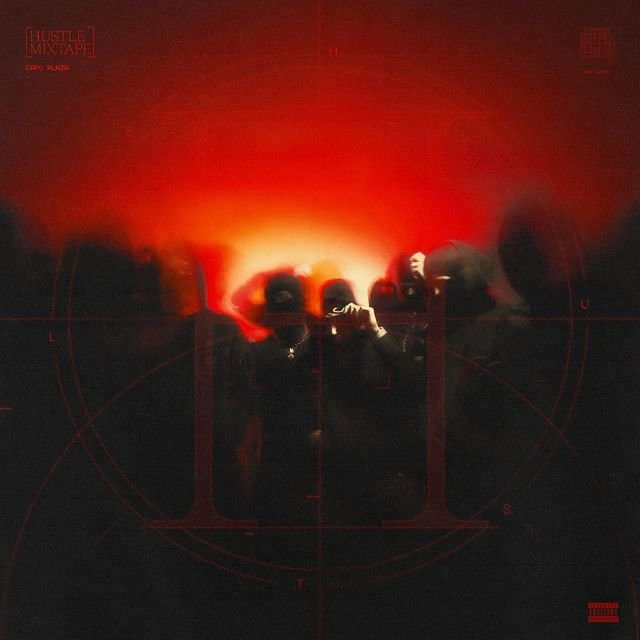
Why Capo Plaza's "Giungla" Feels So Trapped
The meaning of Giungla Capo Plaza starts with one powerful image: the neighborhood as a jungle. In this song, Capo Plaza does not present the street as glamorous. They frame it as a place where survival changes a person, even after success arrives.
"Giungla" - Capo Plaza
Ah-ah
Da dove vengo io, nel mio hood è una giungla
Loading lyrics...
Unable to load lyrics
We're unable to display the lyrics at this time. Please try again later.
That idea runs through the whole track. "Giungla" is about pressure, trauma, loyalty, and the way a harsh environment can stay inside someone long after they leave it. The song was written by Luca D'Orso, Mojobeatz, AVA, and Ben Hubble, and its credits fit the sound: dark, tense, and stripped of comfort.
A Hood Turned Into a Jungle
The chorus gives the song its main metaphor with nel mio hood è una giungla
. Capo Plaza is not just saying life is hard. They are saying the rules feel wild, unstable, and dangerous, like a space where instinct matters more than safety.
That image grows darker in the lines about the primo sparo
. The song suggests that once violence enters daily life, nothing feels normal again. Even coping tools stop working, as heard in la marijuana non fa effetto
. Instead of escape, there is numbness.
Interpretation: the jungle image works on two levels. It describes the outside world of the neighborhood, but it also describes an inner state. They sound like someone whose mind has adapted to threat.
Watch the official Giungla
music video
Success Does Not Erase the Damage
One of the strongest parts of "Giungla" is how it mixes rise and ruin. Capo Plaza mentions wealth, status, and movement, but those signs of progress never feel peaceful. There are SUVs and money, yet there is also fear, police pressure, and emotional exhaustion.
That contrast is central to the meaning of Giungla Capo Plaza. The narrator has made it out in one sense, but not emotionally. The song keeps returning to what remains after ambition is achieved: distance, pain, and reflexive toughness.
There is also a line of isolation in solo io e nessun altro
. Even when they are surrounded by people, the song suggests a lonely belief that survival depended on self-trust more than community. Brotherhood matters, but so does distrust.
The Emotional Story Beneath the Street Detail
Under the tough surface, "Giungla" is full of loss. A brief relationship thread appears when someone does not call back, and when a hand is held ma non serve a niente
. That is a small but important detail. It implies that intimacy cannot fully heal what the environment has done.
This gives the song more depth than a simple street anthem. Capo Plaza presents pain as layered:
- physical danger
- emotional distance
- chemical numbness
- success without relief
Da dove vengo io nel mio hood è una giungla
Ci credevo io, solo io e nessun altro
In these lines, the song joins environment and identity. The place is hostile, and belief becomes a lonely act of self-preservation.
How the Production Supports the Meaning
The production from AVA and Mojobeatz helps sell the song's emotional weight. Capo Plaza has worked within Italian trap for years, including on 20, and "Giungla" uses familiar genre tools in a focused way: heavy low end, a cold melodic loop, and space around the vocal.
That space matters. It makes the track feel exposed rather than triumphant. The beat does not rush toward celebration. It stalks. The repeated hook lands like a thought the narrator cannot escape.
Their delivery also sharpens the message. Capo Plaza often sounds controlled, but here the restraint feels defensive. The performance is not overly dramatic; that makes the fear and fatigue feel more believable.
Images of Rust, Concrete, and Watchfulness
The song's details build a world of hard surfaces. High-rise buildings, asphalt, rust, police at the door, and sleepless nights all point to a life shaped by vigilance. Even when Capo Plaza speaks with pride, the imagery keeps pulling back to stress.
A key line describes the hood making them a bastard. That is not just bragging. It sounds like an admission that the environment has warped their character. Yet the next feeling is attachment. When traveling, they still miss that same place.
Interpretation: this is one of the song's most human contradictions. They know the neighborhood is damaging, but it is also home. "Giungla" understands that people can resent the place that formed them and still feel loyal to it.
Why "Giungla" Connects So Easily
Part of the reason the meaning of Giungla Capo Plaza lands so strongly is that its theme travels beyond one city or one language. Listeners do not need to share Capo Plaza's exact background to understand the feeling of being shaped by pressure, then carrying it forward.
The song also fits Capo Plaza's larger career story as an artist known for turning street realism into accessible hooks; their broader profile is outlined by Billboard Italia. "Giungla" keeps that balance. It is catchy, but its center is bleak.
Final Take
"Giungla" is about more than danger in the neighborhood. It is about what constant danger does to memory, love, sleep, and identity. Capo Plaza turns the jungle metaphor into a picture of a life where escape is possible on paper, but much harder in the mind.
Disclaimer: This article offers interpretation based on the lyrics, credits, and production context. Song meaning can remain open, and listeners may hear different emotional truths in "Giungla."








