Why 'When I Grow Too Old to Dream' Still Hurts
The meaning of When I Grow Too Old to Dream Carl Mann comes down to one simple idea: love may not last in the present, but memory can keep it alive. Carl Mann's version turns an older standard into a warm, aching reflection on romance, time, and the fear of losing what once felt permanent.
"When I Grow Too Old to Dream" - Carl Mann
Life has been beautiful, we have been young
After you've gone, life will go on
Loading lyrics...
Unable to load lyrics
We're unable to display the lyrics at this time. Please try again later.
The song was written by Oscar Hammerstein II and Sigmund Romberg for the 1935 film The Night Is Young, and it later became a standard recorded by many artists. That background matters because the song already carried a nostalgic weight before Mann sang it in his rock-era style. In their hands, it is not just a love song. It is a song about what survives after youth fades.
A Love Song About Memory, Not Possession
At the center of the song is a speaker who knows love cannot freeze time. They remember being happy and young, then admit that life will continue after separation. That shift is the emotional key. Instead of promising forever in a literal sense, the song promises emotional survival through remembrance.
The title phrase, grow too old to dream
, sounds dramatic, but it is really gentle. It suggests a future when fantasy, youth, and even desire may weaken. What remains, the song says, is not excitement but an inner archive of feeling.
Interpretation: This makes the song less about heartbreak alone and more about dignified acceptance. They are sad, but they are not bitter. They accept time's power while protecting one private treasure: the memory of being loved.

Watch the official When I Grow Too Old to Dream
music video
How the Opening Sets Up the Theme
The first lines look backward before they look ahead. The couple has shared joy, freedom, and youth. A brief phrase like we have been young
matters because it frames love as something already passing into memory.
Then the song quietly changes direction. It admits that after the loved one leaves, life will still move on, almost like an old song
. That comparison is important. Songs repeat. They return. They carry emotion across time. In other words, the relationship may end, but its melody stays in the mind.
When I grow too old to dream
I'll have you to remember
These two lines hold the whole meaning together. The future may take away youth, but it cannot erase a deep emotional imprint.
Why the Chorus Feels So Powerful
The chorus works because it reduces love to one lasting image: a remembered goodbye. The request kiss me my sweet
is tender, but it comes with parting. The song does not avoid loss. It places love and separation in the same breath.
Then the hook returns to the idea that live in my heart
is enough. That phrase may sound familiar now, but here it carries real weight. The speaker is not asking for reunion or revenge. They ask for a final moment worth carrying into old age.
Interpretation: The chorus suggests that memory can be stronger than physical presence. That is why the song feels both comforting and sad at the same time.
Carl Mann's Style Changes the Feeling
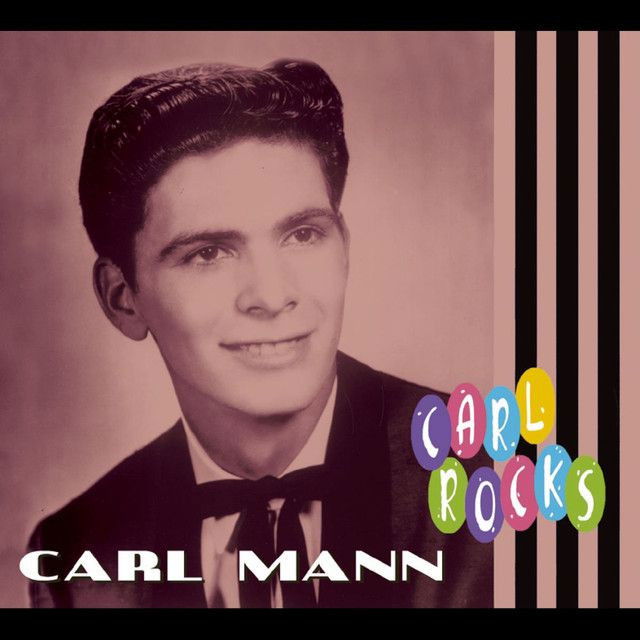
Carl Mann is best known for rockabilly and early rock recordings connected to Sun Records history, including his breakout hit Mona Lisa
. That context matters because Mann brought a young Southern rock voice to material that began as a pre-rock standard. In his hands, the song feels less formal and more intimate.
Rather than treating the lyric like a grand theatrical ballad, Mann's approach gives it a plainspoken ache. The vocal style keeps the emotion close to the surface. They sound as if they are remembering something personal, not performing a museum piece.
The Sound of Gentle Nostalgia
Even without dense production, the arrangement supports the theme. The slow tempo, soft backing, and smooth melodic line all point toward reflection instead of drama. There is no need for big rhythmic shock or hard-edged attitude. The song breathes.
That matters because the lyric is about endurance. A quieter performance lets the idea settle: love becomes memory, and memory becomes identity. The softness of the delivery helps listeners feel that this is not a fresh wound but an old feeling that never completely disappeared.
Time, Aging, and the Fear Under the Song
One reason this song lasts is that it touches a fear many people understand: not just losing someone, but losing the ability to feel life as vividly as before. The image of becoming too old to dream is really about aging out of possibility.
Yet the song pushes back against that fear. It says that even if age changes the body and imagination, memory remains active. A single goodbye, a single kiss, can outlast youth itself. That is why the repeated focus on the heart matters more than the body or the future.
More Than Romance: A Wider Reading
The most direct reading is romantic. The speaker is saying farewell and preserving one cherished relationship. But there is also a broader interpretation.
Interpretation: The song can be heard as a statement about nostalgia itself. Youth passes, eras end, and people move on, but art and memory keep old emotions reachable. That may be one reason standards like this continue to find new singers and new audiences.
For U.S. listeners especially, Carl Mann's version also sits at an interesting crossroads: old Hollywood songwriting meets early rock sensitivity. That blend gives the song a double nostalgia. It remembers lost love, and it also remembers an older style of popular music.
Why the Song Still Connects Today
The meaning of When I Grow Too Old to Dream Carl Mann lasts because it is honest about change. The song does not claim love conquers time in a fairy-tale way. Instead, it offers a smaller, more believable victory: memory keeps love meaningful.
That is why the song still resonates. They hear not just sorrow, but grace. The relationship may end. Youth may end. But the heart keeps one bright moment safe.
Final Thought
Carl Mann's recording endures because it treats remembrance as a form of devotion. Its sadness is real, yet it never collapses into despair. It trusts that what was once deeply felt can continue to matter for a lifetime.
Disclaimer: This article offers interpretation based on the lyrics, known songwriting context, and Carl Mann's performance style. As with any song, listeners may hear its meaning differently.








