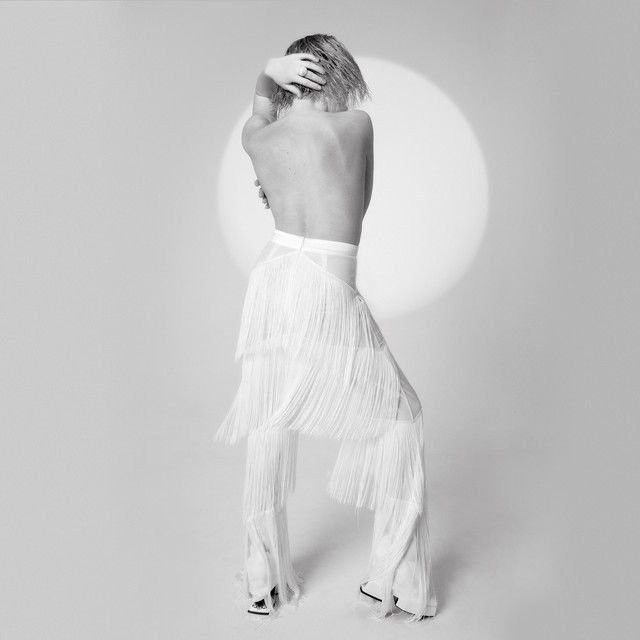
Too Much by Carly Rae Jepsen
Why This Pop Song Hits a Nerve
The meaning of Too Much Carly Rae Jepsen starts with a fear many people know well: being told they are too emotional, too loud, too needy, or too intense for love. In this song, they do not hide that fear. Instead, they turn it into a question and, slowly, into a kind of self-acceptance.
"Too Much" - Carly Rae Jepsen
'Cause I live for the fire, and the rain, and the drama too, boy
And it feels like you never say what you want
Loading lyrics...
Unable to load lyrics
We're unable to display the lyrics at this time. Please try again later.
Released on May 9, 2019 as a single from Dedicated, the track sits in Carly Rae Jepsen's long-running sweet spot: bright pop music carrying vulnerable feelings. According to Wikipedia, it was written by Jepsen, Noonie Bao, John Hill, Jordan Palmer, and Sammy Leighton Clay, and produced by Hill and Palmer. Jepsen described it as self-reflective and said being “too much” is not a bad thing for the right person.

Watch the official Too Much
music video
The Core Meaning Beneath the Hook
At its heart, “Too Much” is about emotional intensity. The narrator wonders if their biggest traits are also the traits that could push someone away. They feel deeply, act boldly, and chase excitement, but they also know that kind of energy can scare a more guarded partner.
The chorus makes that idea plain through repetition. When they party, think, drink, dance, or love, they do each one all the way. The short phrase too much
becomes both accusation and identity. It sounds like a warning, but it also sounds like truth they are tired of apologizing for.
Interpretation: The song is not only asking, “Am I overwhelming?” It is also asking, “Why should I have to shrink to be loved?” That second question gives the song its emotional power.
A Push-Pull Romance at the Center
One person burns, the other holds back
The opening presents a mismatch. The narrator seems drawn to intensity, naming fire
, rain
, and drama
as part of their emotional life. The partner, by contrast, does not clearly say what they want. That silence matters.
Because one person is expressive and the other is hard to read, the relationship starts to feel uneven. They are trying to break through to someone who may like them, but may also be uneasy with how vivid they are.
The chorus turns confession into warning
The song's biggest lines work like a personal disclaimer. They are essentially saying: if someone wants closeness, they should know what comes with it. The phrase if I love you
leads into the song's key point: love from this narrator will be huge, consuming, and impossible to play cool.
When I feel itI feel it too much
That two-line idea sums up the whole track. Feeling is not the problem. The fear is that the scale of feeling will be judged.
How the Lyrics Build the Theme
The verses and chorus work together carefully. The verses ask intimate questions like Am I bad for you?
and wonder whether closeness itself might become a problem. Then the chorus answers those doubts with a list of extremes.
That structure matters. The verses are uncertain, but the chorus is oddly confident. Even while they sound insecure, they also know themselves very well. They know they chase the rush. They know they overthink. They know desire can overflow.
The bridge adds another layer. It suggests both people are hard to know in different ways. The narrator is not simple, but the partner is also not easy to read. So the song avoids blaming only one side. Instead, it shows a relationship where intensity and caution may not fit neatly together.
Sound as Meaning: Glitter Over Insecurity
One reason the song works so well is that the production does not sound sad in an obvious way. It is sleek, mid-tempo synth-pop with a light bounce. Reviews noted that contrast: Rolling Stone called it a steamy dance track, while Time praised its honesty. The music gives the listener something to move to even as the words reveal insecurity.
That contrast is the point. The beat feels controlled, but the emotion does not. Soft synths and crisp drums create a polished surface, while Jepsen's breathy delivery lets nervousness slip through. The result sounds like someone smiling at the party while privately wondering if they are being judged.
Factual credits listed by the Carly Rae Jepsen Wiki show Hill and Palmer handling much of the instrumentation, including synths, drums, bass, and keyboards. That tight, programmed feel supports the song's message: the track is sonically neat, but emotionally overflowing.
Artist Context Makes the Song Deeper
Jepsen has often written pop songs about crushes, longing, and romantic hope. What makes “Too Much” stand out is how self-aware it is. She reportedly said the song was inspired by a story about a friend who felt stifled in a relationship. That backstory helps explain why the lyrics feel less like simple flirtation and more like a defense of personality.
This also fits Dedicated as an album. Many songs on the record explore devotion, desire, and the risks of wanting deeply. “Too Much” may be one of the clearest examples because it frames romance as a test: will the other person welcome intensity, or ask for less of it?
The Best Way to Read “Too Much”
The strongest reading is that the song turns insecurity into a boundary. Yes, the narrator worries about being excessive. But they are also telling a partner to decide honestly whether they can handle real passion.
Interpretation: In that sense, “Too Much” is not a plea to be accepted at any cost. It is closer to a challenge. If someone wants this love, they must want the full person.
That is why the song still connects. Many listeners hear their own history in it: being called dramatic, needy, or intense, then learning those labels may simply mean they were with the wrong match.
Final Take on the Meaning
The meaning of Too Much Carly Rae Jepsen is about the pain of feeling larger than a relationship can hold, and the relief of realizing that “too much” may be perfect for the right person. Its genius is that it turns a self-doubt spiral into a dance-pop anthem.
That reading is an interpretation based on the lyrics, credited background, and the song's production choices. Different listeners may hear it differently, and that openness is part of why the song lasts.









