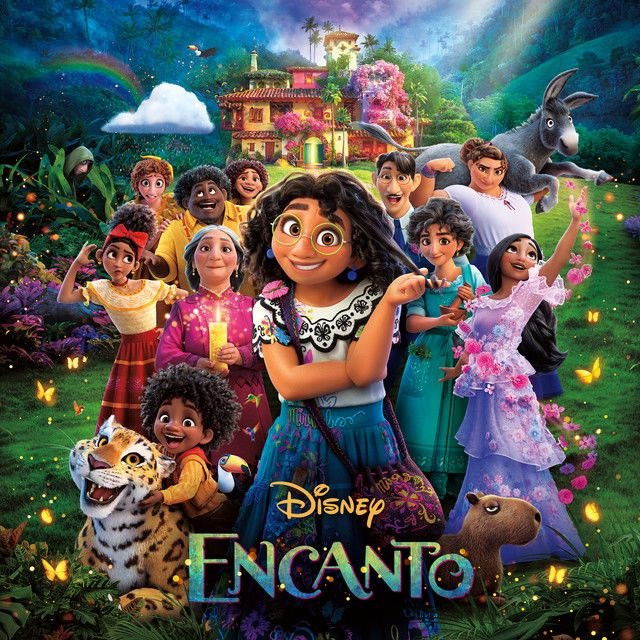
Why ‘No se habla de Bruno’ Speaks Volumes
Encanto’s most viral number turns a family secret into a dance-floor rumor. The Spanish-language “No se habla de Bruno” is a comic, spooky, and deeply human song about how people misunderstand what they fear. This breakdown explores the meaning of No se habla de Bruno Carolina Gaitán - La Gaita, Mauro Castillo, Daniela Sierra, Juanse Diez, Isabel Garcés, Olga Lucía Vives, Encanto - Elenco.
"No se habla de Bruno" - Carolina Gaitán - La Gaita, Mauro Castillo, Daniela Sierra, Juanse Diez, Isabel Garcés, Olga Lucía Vives, Encanto - Elenco
No se habla de Bruno, mas
Justo en mi boda fue (en nuestra boda fue)
Loading lyrics...
Unable to load lyrics
We're unable to display the lyrics at this time. Please try again later.
A Family Secret Sung in Whispers
At heart, the song is about silence as a family policy. The Madrigals treat Bruno’s gift of seeing the future as a problem to be hidden rather than a truth to be managed. They equate the man with the outcomes, so his name becomes off-limits.
Interpretation: the refrain is a defense mechanism. By deciding not to deal with uncomfortable information, the family lets superstition and hearsay fill the gaps. In a home built on gifts and expectations, fear of bad news becomes more powerful than facts.

Watch the official No se habla de Bruno
music video
Gossip Choir: Who Tells the Story?
The number unfolds as relatives speak to Mirabel, each layering their own memory. Pepa recalls a wedding misfortune with the pointed phrase Justo en mi boda fue
, then connects Bruno’s warning Veo que pronto lloverá
to her stormy mood. Others chime in with comic grievances about “curses” he predicted.
Because each voice has an agenda, no one offers a fair reading of Bruno’s visions. Even the playful prompt ¿Tú cuentas la historia?
shows control over the narrative. Interpretation: they’re not sharing history; they’re shaping it to fit their anxieties and pride.
What Actually Happens: Beat by Beat
- Pepa blames her wedding chaos on Bruno’s forecast, linking a natural warning to bad luck.
- Townspeople list petty predictions they resent, turning coincidence into cause.
- Dolores quietly admits Bruno foresaw tenderness and growth, not just doom.
- The family’s chant hardens into policy: Mirabel should drop the topic.
Collectively, these beats show how a community can turn a neutral seer into a scapegoat. The problem isn’t prophecy; it’s interpretation under pressure.
Why the Hook Matters
The hook is both catchy and chilling: a rule dressed as a party. The title mantra makes silence sound fun, which is how families often keep taboos in place—humor as glue, rhythm as agreement.
No se habla de Bruno, no, no, no Ratas por detrás
Placed beside each other, a prohibition and a creepy image imply cause-and-effect: if you say his name, bad things swarm. Interpretation: the song exposes how magical thinking and group fear override evidence.
Symbols in the Storm: Rain, Rats, and Rumors
Weather mirrors Pepa’s emotions, so a forecast feels like a hex. The line Veo que pronto lloverá
is likely a neutral alert, but she hears judgment. The rat motif—captured in the shiver of Ratas por detrás
—embodies what the family tries not to see: hidden truths running through the walls.
When a chorus insists Las profecías se cumplen
, they treat visions as fixed fate. Yet we learn Bruno’s glimpses are possibilities that depend on choices. Interpretation: the song critiques fatalism. It asks the audience to notice how emotion can distort message, especially inside a high-pressure family.
Sound Design That Sells the Drama
Lin-Manuel Miranda crafts an ensemble built on Latin grooves—salsa-tinged percussion, a cumbia pulse, and a teasing, minor-key hook. The arrangement lets each character’s rhythm and melody carve out personality. Pepa’s verse is frantic and percussive; Dolores’s lines are hushed and breathy; Camilo’s bit turns theatrical and slinky.
The final contrapuntal stack—voices overlapping in different melodies—sounds like rooms in the Casa Madrigal singing at once. That texture does the storytelling: many truths, zero consensus. Production details (sharp syncopation, murmured background vocal tss-tss-tss, and tight horn stabs) make fear feel danceable, mirroring how the family hides discomfort inside celebration.
More Than a Curse: Alternate Takes
- Interpretation 1: Community satire. The song pokes fun at how small towns elevate gossip to gospel. Everyone is sure, but no one checks.
- Interpretation 2: Mental health metaphor. Bruno’s “taboo” resembles an unspoken family issue—anxiety, trauma, or difference—avoided until it fractures trust.
- Interpretation 3: Creative responsibility. Prophecy is art: a draft of the future, not a verdict. The listener—like the family—chooses what to do with it.
Takeaway
“No se habla de Bruno” turns a catchy rule into a mirror. It shows how a loving family can mistake warnings for curses, then use silence to keep the story simple. The moment they finally listen, the house—and the truth—hold together.
Disclaimer: Song meanings are interpretive. This analysis reflects one informed reading alongside factual context about the work and its creators.
Sources
- https://www.billboard.com/music/chart-beat/encanto-we-dont-talk-about-bruno-hot-100-number-one-1235023897/
- https://www.npr.org/2022/01/13/1072862204/encanto-bruno-lin-manuel-miranda-interview
- https://variety.com/2022/film/news/encanto-we-dont-talk-about-bruno-chart-1235159747/
- https://disney.fandom.com/wiki/No_Se_Habla_de_Bruno







