Why 'Everytime We Touch' Still Hits So Hard
The meaning of Everytime We Touch Cascada comes down to a simple idea delivered at full volume: love can feel thrilling, safe, and a little scary all at once. The song sounds like pure dance-floor joy, but its words are more vulnerable than many listeners remember.
"Everytime We Touch" - Cascada
I still feel your touch in my dream (in my dream)
Forgive me my weakness but I don't know why
Loading lyrics...
Unable to load lyrics
We're unable to display the lyrics at this time. Please try again later.
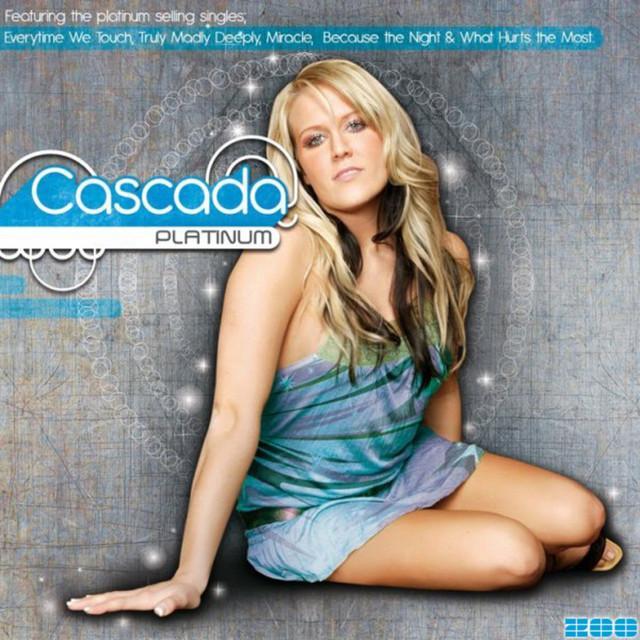
Cascada turned that feeling into one of the biggest Eurodance crossovers of the 2000s. Released from their debut album Everytime We Touch, the song helped push the German act into the U.S. Top 10 and became their signature hit. Factually, Cascada is the trio of vocalist Natalie Horler and producers Yanou and DJ Manian, and this version was arranged and produced by Manuel Reuter and Yann Peifer.
More Than a Club Banger
On the surface, the song sounds like a rush of romantic excitement. The speaker describes a bond so strong that even closeness in sleep and dreams keeps the other person present. Phrases like your arms are my castle
and your heart is my sky
frame love as protection, shelter, and emotional relief.
That matters because the song is not only about attraction. It is also about dependence. The line hard to survive
suggests the relationship feels necessary, not just enjoyable. In plain terms, the speaker sees this person as the one who helps them stand back up after pain.
Interpretation: That mix of comfort and desperation is what gives the song its staying power. It is not a cool or distant love song. It is intense, needy, and fully exposed.

Watch the official Everytime We Touch
music video
The Chorus Turns Feeling Into Motion
The chorus is why the song became unforgettable. Instead of explaining love in detail, it describes physical reactions: every time we touch
, I could fly
, and a heart that races out of control. The body becomes proof of emotion.
This is one key to the meaning of Everytime We Touch Cascada. The song says love is real because it can be felt immediately. It is in heartbeat, skin, breath, and upward motion. The repeated desire to keep the person close turns the hook into more than a romantic slogan; it becomes a plea for stability.
Can't you feel my heart beat fast?
I want this to last
Those lines capture the emotional center. The speaker is not just celebrating a moment. They are afraid of losing it.
A Love Song Built on Safety and Rescue
The verses widen the picture. The relationship has survived the good and the bad times
, and the other person helps wipe away tears. That language gives the song a nurturing quality many dance hits do not have.
Rather than telling a story with clear scenes, the lyric works like a snapshot of emotional truth. It shows:
- deep attachment
- gratitude for comfort
- fear of separation
- hope that the bond will last
Interpretation: Some listeners hear this as healthy devotion. Others may hear a more fragile dependence, where the speaker struggles to imagine life alone. Both readings fit the lyric because the song never fully separates love from need.
Why the Sound Makes the Words Bigger
A big reason the song landed worldwide is that the production amplifies every feeling. Cascada’s version moves at about 142 BPM, with pounding kick drums, bright synths, and a huge chorus lift. The verses pull back slightly, then the hook hits with maximal force. That structure makes the emotional jump feel physical.
Instead of treating vulnerability like a quiet confession, the production blasts it outward. The beat says these feelings are too strong to hide. Critics noticed that balance of melody and energy, with Billboard praising its high-energy production and melody, while USA Today called it an “insanely infectious” pop creation.
There is also an important bit of context: Cascada’s hit borrows the chorus from Maggie Reilly’s 1992 song of the same name. That older melodic core gives the track a softer emotional center, while Cascada’s Eurodance frame turns it into a rush. In other words, the song works because tenderness and adrenaline are fused together.
Context Behind the Hit
The track was released in 2005 in the U.S. and later spread internationally, eventually reaching the Top 10 on the Billboard Hot 100 and charting strongly across Europe, including No. 1 peaks in Ireland and Sweden. It also earned major certifications in markets such as the U.S., U.K., Germany, and France.
That success makes sense because the song is emotionally direct. It does not hide behind irony or complicated imagery. Even people who do not usually listen closely can understand the feeling right away.
There is another layer to its reception. A ballad-style “Candlelight Mix” stripped away the trance beat and replaced it with piano, showing that the core lyric works even without club production. That tells listeners something important: the song’s emotional idea was always strong enough to survive outside the dance genre.
So What Does the Song Really Mean?
The best short answer is this: it is about love as both euphoria and emotional survival. The speaker feels lifted by affection, but also anchored by it. Touch becomes proof of connection, and connection becomes a shield against loneliness.
That is why the song still works nearly two decades later. Beneath the neon synths and fast tempo, it captures a very human feeling: when someone means so much that joy and fear arrive at the same time.
Interpretation disclaimer: This reading is based on the lyrics, production, and public song history. As with any pop song, listeners may connect with it in different ways.







